
South Korea births rise record 14 percent off world's lowest fertility
Statistics ministry credits marriages and thirty-somethings rather than baby bonuses, local governments lack money to pay promised subsidies
Images
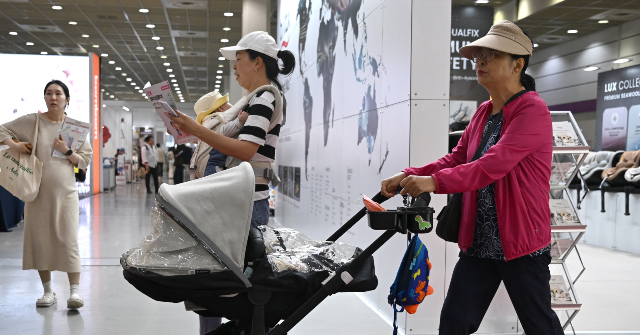 South Korea, Nation with World's Lowest Birth Rate, Sees Record 14 Percent Rebound in 2026 so far
breitbart.com
South Korea's births rose 14.3 percent in the first nine months of 2026, some 220,000 babies — the largest increase since the country began keeping records in 1981. Government statistics published on Wednesday put the fertility rate at 0.90 in the third quarter.
That is a rebound from 0.78 births per woman, the lowest rate in the world, measured against a replacement level of 2.1. It was the first third quarter in eight years to reach the 0.90 range, and the annual figure is expected to enter the 0.9 range for the first time in seven years. Births have now risen for 27 consecutive months, since July 2024 — a month after then-President Yoon Suk-yeol declared a "demographic national emergency" and set his government three tasks: balancing work and life, improving childcare and providing better housing. Yoon was arrested that December after attempting to impose military rule, and his rival, President Lee Jae-myung, has kept the birth policy running.
In 2024, forecasters expected the rate to keep falling, to 0.59 by this year. The statistics ministry's own explanation for the rise is narrower than any of the programs: more marriages over the past two years, a larger population of people in their thirties and a positive shift in attitudes toward having children. The rate rose among women of every age, the newspaper Hankyoreh counted an increase in births to women over 40, and the Korea JoongAng Daily sees a fertility rate of one child per woman as within reach.
The base that produced the record matters too. Children have grown scarce enough that the pediatric industry struggles economically, schools have closed in large numbers over the past decade, and cafes and libraries ban them from their premises. Now some local governments that promised a subsidy for every eligible baby lack the money to pay all of them, and the Korea Herald reports families across the country complaining this week that the promised payments have not arrived.
A record rebound off the world's lowest rate still leaves 0.90 births per woman — against the 2.1 a population needs to stop shrinking.