
Bulgaria overtakes Italy in grid batteries despite far smaller power system
Storage supplied 28 per cent of Bulgarian evening peak against 2.8 per cent in Italy, Ember analysis prices stored solar at half the cost of evening gas
Images
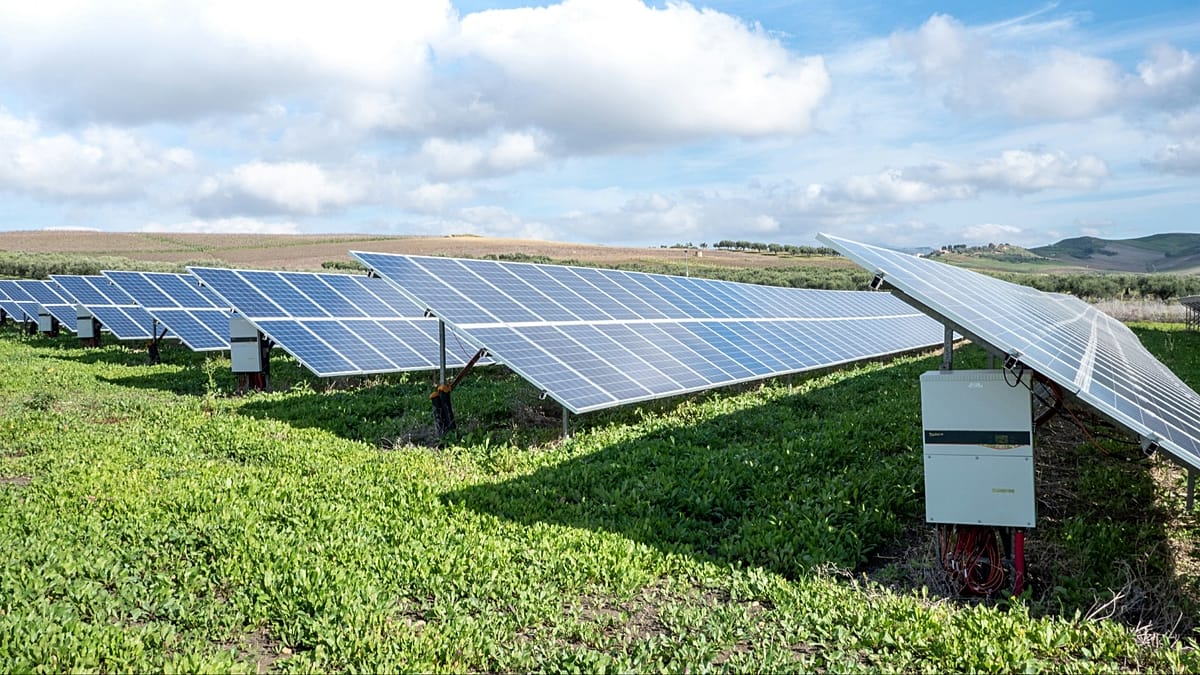 Batteries could cut Italy's electricity prices by almost half - study
euronews.com
Italy drew 49 per cent of its electricity from renewables last year and still burns its most expensive fuel at 8pm. That is the hour people come home from work and school, solar output fades, and gas plants set the price under the merit order — the rule that prices all power at the rate of the most expensive plant still needed. A new analysis from the energy think tank Ember, produced with Cleantech for Italy and Energy Square, prices the escape route: renewable power stored through the day and shifted into the evening costs around €106 per megawatt-hour, against roughly €210 for gas at October 2026 prices, and pairing solar and wind with batteries could cut prices by up to 49 per cent compared with a typical gas plant.
Italy's problem is no longer generating clean power but keeping it until dark. Battery storage met an average of 2.8 per cent of Italian peak demand in the first half of this year — more than double the level a year earlier, yet still small next to fossil fuels' 40 per cent. Across the EU, grids are curtailing renewable output whenever supply outstrips demand, wasting generation the panels have already produced. "Italy has plenty of sun, but it still runs its evenings on expensive gas," said Beatrice Petrovich, a principal analyst at Ember. "Batteries change that, carrying low-cost renewable power into the hours when prices peak."
Bulgaria shows how fast the gap can close. Its grid-scale battery fleet grew from almost nothing in 2024 to nearly 3 GWh by the end of 2025, and to 16 GWh by August — overtaking Italy's despite a far smaller power system. In the first half of this year, batteries routinely supplied 28 per cent of Bulgarian electricity demand at the 8pm peak, up from 4 per cent a year earlier, while fossil generation's share of the evening peak fell from 35 to 31 per cent. Bulgaria registered milder price spikes than its neighbours during the summer heatwave, with strong battery discharge cited as one of the main drivers.
Italy is already among the most advanced EU countries for batteries connected to the grid, and analysts expect its share to grow as contracted projects come online. The remaining task is system design rather than installation. "Storage, grids and new generation need to develop together," said Michele Torsello, director of Energy Square. "As renewables grow, the value of each investment increasingly depends on the others."
Bulgaria moved more than a quarter of its evening peak onto batteries in a single year. Italy's panels are already built; its evenings still run on gas.