
Argentina enters recession the same week congress bans central bank financing of the state
141-0 vote restores the bank's 1992 peso mandate while 99 deputies abstain, ninth downturn in 15 years arrives with the old remedy outlawed
Images
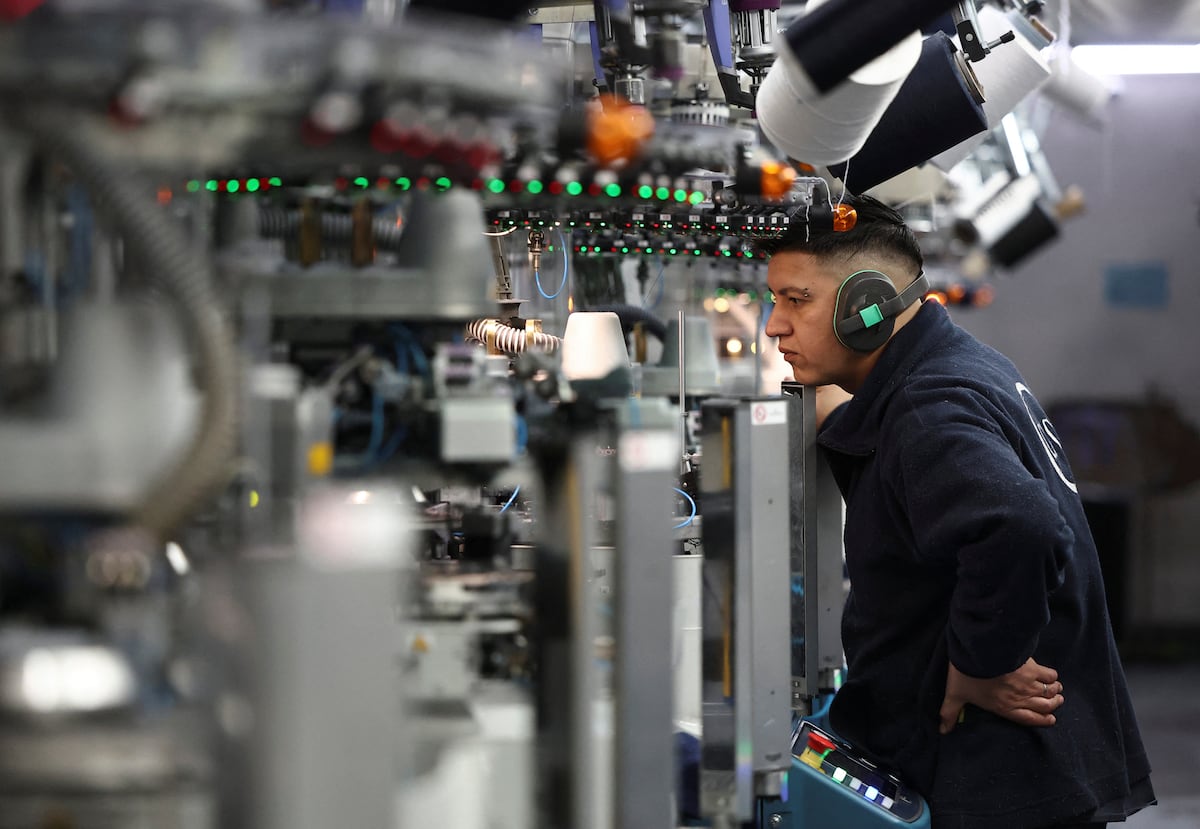 Argentina slips into recession, testing Milei’s promise of growth
english.elpais.com
 Argentina Bans Its Central Bank from Printing Money for the Government
breitbart.com
Argentina's recession became official this week, with the national statistics office confirming on Tuesday that output has contracted for two consecutive quarters. In the same week, the Chamber of Deputies voted 141-0 to forbid the central bank from financing the state.
September's monthly activity index rose 1.1 percent against August in seasonally adjusted terms but fell 1.2 percent year on year, INDEC reported, with only five of sixteen sectors expanding; after July's 2.5 percent slump and August's 0.4 percent rebound, the third quarter is already certain to be negative, with the exact figure due on December 16. Banco Provincia chief economist Matías Rajnerman describes demand as stalled across every driver — wages, employment, credit and public spending — leaving roughly 85 percent of the economy in the red while mining, oil and agriculture, the sectors that hire the fewest people, outperform the rest. Economist Francisco Eggers counts this as Argentina's ninth recession in fifteen years, and most of the previous eight were ended with expansionary monetary or fiscal policy.
The new charter removes the monetary half of that toolkit by law. It restores the central bank's primary mission of preserving the peso's value, first legislated in 1992 and diluted in 2012 when 'social development' goals entered the mandate, prohibits direct and indirect lending to the public sector, bars temporary advances to the treasury, eliminates the non-transferable bills the treasury had swapped against dollar reserves, and heavily restricts profit transfers to the treasury, with the stated aim of directing resources toward debt repayment. The Senate may now remove the bank's authorities by absolute majority for misconduct. Ninety-nine deputies abstained, most of them from Unión por la Patria and the Leftist Front.
Milei's office dates the political use of the bank to 2010 under Cristina Fernández de Kirchner, and the president has put a number on what followed: the preceding administration financed itself with new pesos equivalent to 18 percent of GDP, feeding an inflation rate that has fallen from 289.4 percent in April 2024 to 33.1 percent last month. He called the reform 'an end to 91 years of plunder, expropriation, impunity and institutional decline' and said it lays the groundwork to 'make Argentina great again.'
The government's forecast for this year began at 5 percent growth, since revised downward, and the more optimistic reading now on offer, echoing arguments from the government, treats the contraction as the destructive phase of a productive transformation, with recovery led by the most dynamic sectors and the full rollout of the RIGI investment regime. Analytica director Claudio Caprarulo projects growth below half a percent for 2026 — negative for the full year if the fourth quarter brings no recovery — and little better for 2027, an election year.