
France falls into recession as S&P turns outlook negative
Minority government must pass 2027 budget through divided parliament five months before presidential election, ten-year borrowing costs at highest since 2002 while Athens now borrows cheaper
Images
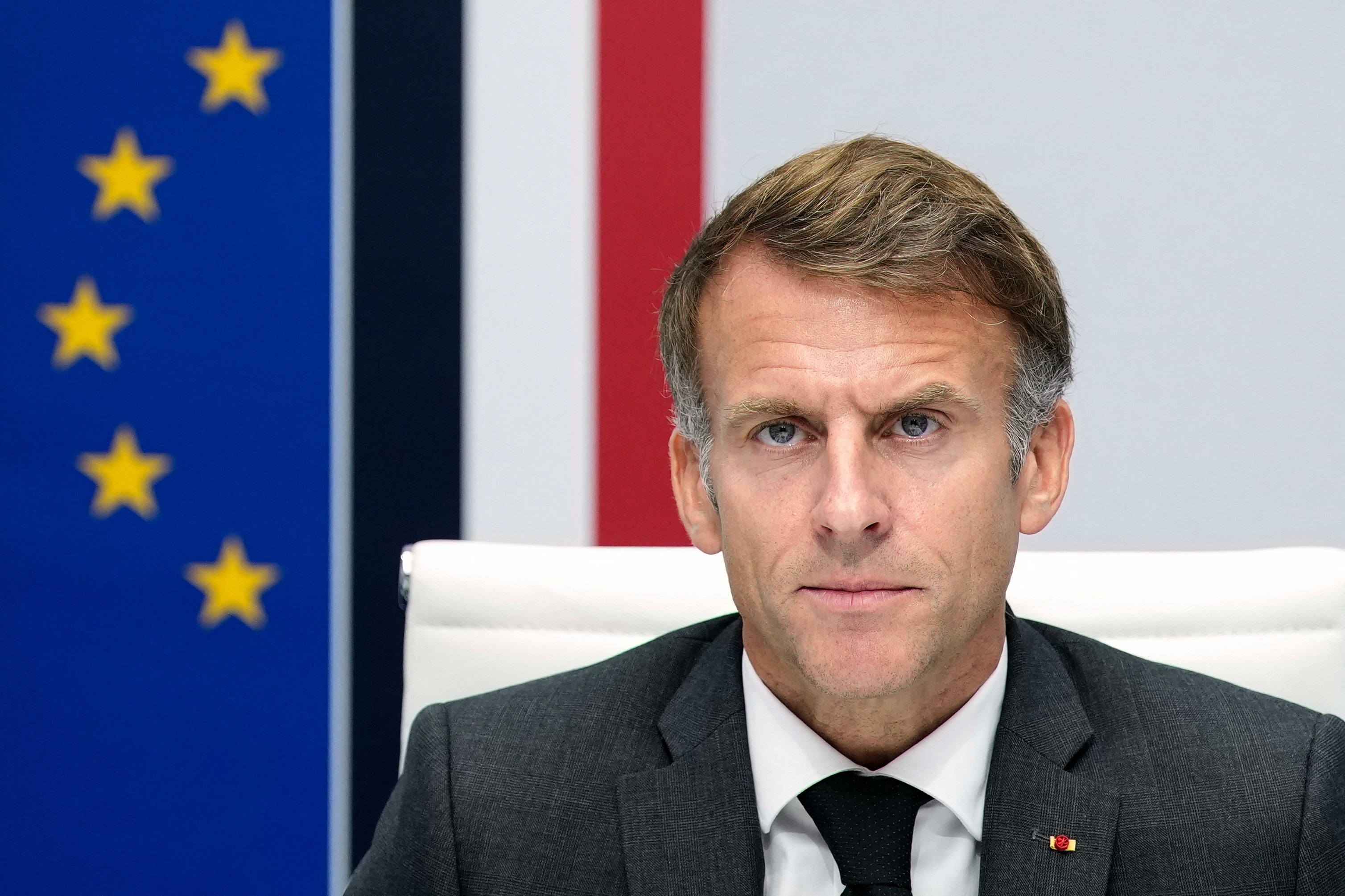 The minority government in France is seeking to pass its 2027 budget, which aims to cut the fiscal deficit from 5.4% of output this year to 5.0% next year (AFP/Getty)
AFP/Getty
France has fallen into recession, with official data showing the economy contracted more than initially thought in the third quarter. On Friday S&P revised the outlook on the country's A+/A-1 rating to negative, citing weak growth and higher interest costs that make the deficit harder to bring down.
The contraction puts the government's 0.5 percent growth goal for this year all but out of reach. The arithmetic now has a political problem attached: a minority government must pass its 2027 budget through a deeply divided parliament five months before a presidential election, and the budget itself only promises to trim the deficit from 5.4 percent of output this year to 5.0 next. S&P said it expects larger deficits this year and next than previously forecast, and warned that political polarization, including beyond the 2027 election, could continue to constrain deficit-reducing measures and growth-enhancing reforms.
A day after Le Monde reported that the Paris prosecutor's office was investigating suspected leaks of confidential information about judicial investigations to Marine Le Pen's National Rally, Interior Minister Laurent Nuñez summoned Hugues Moutouh — once general secretary of the Interior Ministry, now prefect of the Centre-Val de Loire region — and confirmed that a judicial investigation has been opened.
The bond market moved earlier. France's ten-year borrowing costs rose above 5.14 percent last month and climbed more sharply than those of most peers, as investors priced doubts about the deficit, the budget's passage and social unrest linked to the cost of living. Finance Minister Roland Lescure responded that the assessment "underscores the urgent need to give the country a responsible budget without delay", insisting the government "remains fully committed" to fiscal consolidation.
This week, Greece's ten-year bonds yielded 4.15 percent. France's yielded 4.73. Greece's primary surplus of 5.1 percent of output, built over a decade of creditor-supervised austerity, ranks as the strongest in Europe.
France's ten-year borrowing cost last stood above 5 percent in 2002 — the year euro banknotes entered circulation.