
Bailey warns banks may pass Labour's bank tax to borrowers and savers
Doubled surcharge raises £1.5bn for household energy support, JP Morgan's Dimon vows to claw the increase back
Images
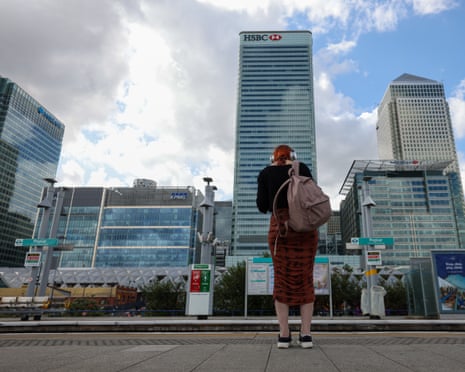 The level of the increase in the UK bank tax was less than many lenders feared. Photograph: Bloomberg/Getty Images
theguardian.com
 standard.co.uk
 standard.co.uk
 standard.co.uk
 standard.co.uk
Bank of England governor Andrew Bailey has warned that banks may pass the £1.5 billion cost of Labour's new tax on their profits to customers — through higher rates on loans or lower rates on savings. Chancellor John Healey doubled the bank corporation tax surcharge from 3 to 6 percent in his first budget last month; the increase runs for 15 months from January, and the proceeds are earmarked for "breathing space" support for households.
Bailey told the Times he would not be surprised if lenders tried to protect their earnings. "You could understand that they will look to pass it on because they will be targeting a rate of return," he said. "It's a market economy, so these are decisions banks will have to take." How far the pass-through succeeds, he added, depends on market conditions and competition within the industry. The 6 percent rate is half the level banks had feared — speculation before the budget had Healey reinstating the 8 percent surcharge in place until 2023. JP Morgan chief executive Jamie Dimon told an event in London last week that he intends to offset the increase, describing himself as "setting an example so that [governments] understand the trade-offs of these unfair penalties." Lloyds Banking Group's chief financial officer William Chalmers called the tax "unhelpful" to UK growth and urged the government to keep it temporary, noting that bank costs "travel through to the cost of borrowing."
The levy arrives amid mounting pressure on household finances. The Bank's Financial Stability Report projects around 6.5 million households will see mortgage payments rise over the next three years as fixed deals expire at higher rates; more than a million still sit on rates below 3 percent and must refinance by the end of next year, facing average rises of nearly £200 a month at an average new rate of 5.5 percent. More than 400,000 homeowners face increases of £500 a month over the same period. Ofgem's price cap jumps 26 percent in January, lifting typical annual energy bills above £2,000, and the Bank has raised its base rate from 3.75 to 4 percent — the first increase in more than three years.
The £1.5 billion is designated for help with household energy bills — and Bailey expects the banks to start by trying to collect it from those same households. Healey, announcing the measure, said he was asking "a bit more of our banks to support ordinary people."