
European households rush to buy solar panels before subsidy deadlines
UK VAT break ends in April and German surplus payments hang on laws not yet passed, German solar produced 74 percent of last year's output between April and September
Images
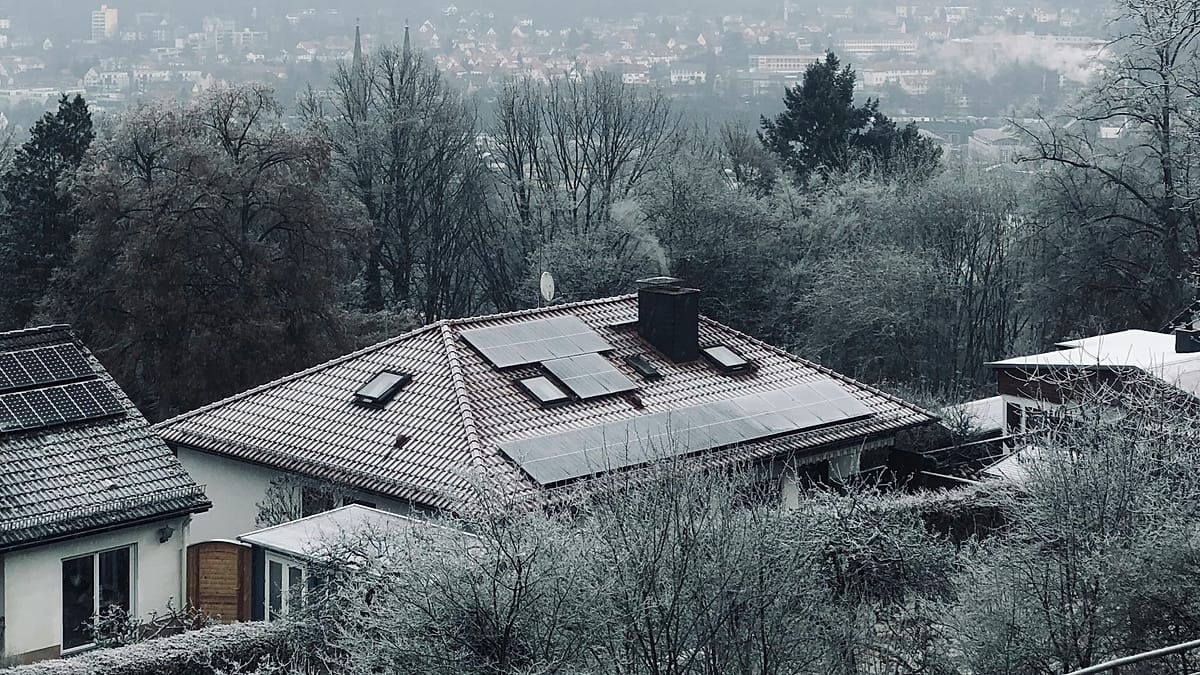 Why winter could be the best time to invest in solar panels
euronews.com
Industry experts are urging European homeowners to contact solar suppliers before Christmas, ahead of subsidy and tax changes taking effect across the continent in 2027. A typical rooftop installation takes one or two days; the paperwork around it takes weeks, sometimes months.
The deadlines are doing the selling. In England, Scotland and Wales, solar installations have carried no value-added tax since April 2022; from 1 April 2027 the rate returns to five percent, and the looming hike appears to be a factor pushing homeowners to sign now. Germany's Solar Industry Association warns that anyone installing from January onward could miss government support unless new energy laws are approved before the end of the year — lawmakers have tentatively agreed to keep paying homeowners for surplus electricity from systems up to 25 kilowatts, but no final deal has been struck. Austria plans to stop offering panel grants in 2027 and instead help homeowners buy batteries.
What slows the rush is largely the state, not the technology. Research cited by the OECD found permit times for rooftop solar ranging from six weeks in Malta to ten months in Bulgaria, which has since scrapped permits for personal-use systems up to 20 kilowatts. A German consumer watchdog warned that homeowners in Saxony waited months — in extreme cases more than a year — to have their panels connected to the grid. Much of the equipment is manufactured in China, and replacement stock can take around six weeks to arrive, according to Edward Gurney, founding director of the UK-based Solar and Battery Company. Icy roofs make installation unsafe, and a few lost days push fully booked schedules further back.
The arithmetic under the panic is seasonal. Solar power supplied less than five percent of the EU's electricity in January last year and more than 20 percent by May, according to the European Environment Agency. In Germany alone, 74 percent of the solar electricity fed into the grid last year was generated between April and September. The panels being bought against a dark, expensive winter will do most of their work in summer; what households are actually hedging is the subsidy calendar.
A typical installation takes one or two days. In Bulgaria, the permit alone used to take up to ten months.