
Doomsday rumours drive global stockpiling of canned goods and batteries
UK and Japan urged three days of essentials while tinned food sales at Iceland jumped 40 percent, hoarding threatens the shortages and waste it was meant to hedge
Images
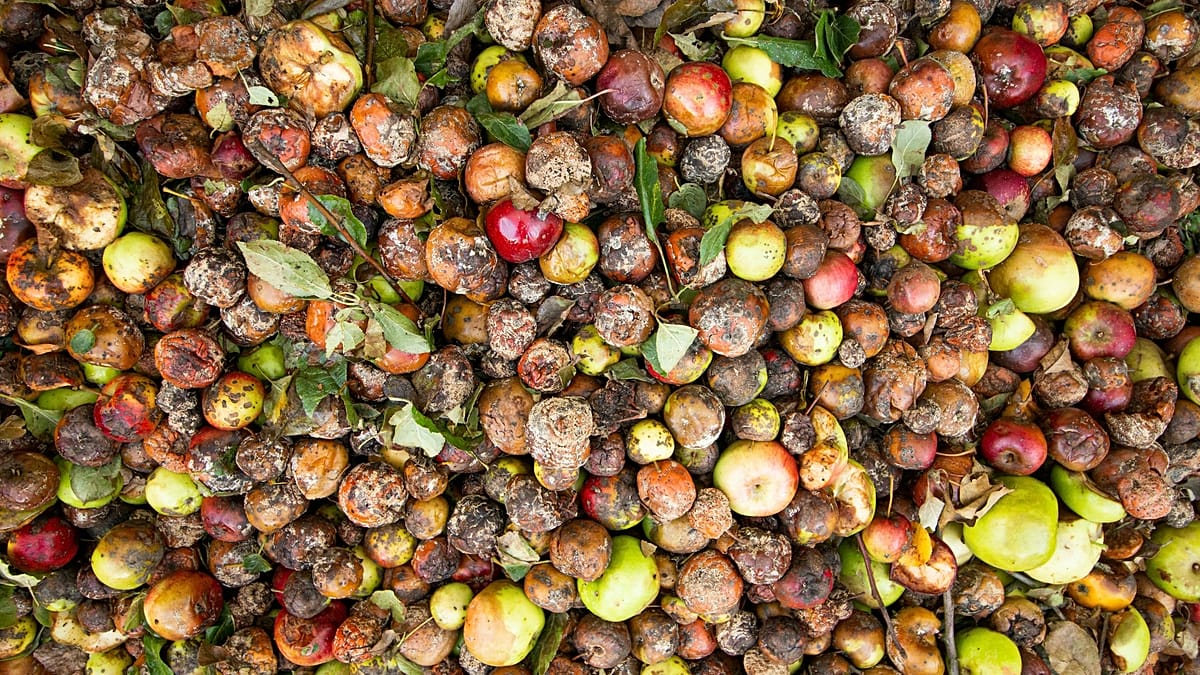 Could doomsday stockpiling fuel a rise in global food waste?
euronews.com
Tinned food sales at the British supermarket chain Iceland briefly surged by 40 percent in late October, the sharpest number yet in a panic-buying wave that has consumers across the United States, Europe and Asia photographing cupboards stacked with bottled water, canned goods and spare batteries. Nothing in the supply chain started the buying. What did was a rumour: that a world war is just around the corner.
The rumour grew up around official advice. Britain and Japan recently told households to check their cupboards for at least three days of essentials — non-perishable food, baby formula, first-aid kits — citing intensifying extreme weather and the prolonged conflicts in Ukraine and Iran. London's 'Be Ready' campaign launched in October, following the EU Preparedness Union Strategy adopted in March last year and similar guidance in France, Ireland and the Netherlands. The purpose, says Lucy Easthope, a disaster-planning expert and visiting professor at the University of Bath, is that people can 'put their torch on' during the first 72 hours of a disaster.
That advice landed in a vacuum. Social media users in the United States, Europe and Asia linked the guidance to a spate of tech outages that had disrupted flights and banking apps, and concluded another global conflict was near. In Australia, users falsely cited a Red Cross interview as evidence that Canberra had issued a nationwide emergency order. Professional fact-checkers have debunked the claims in multiple languages; they continue to circulate. 'Misinformation prevails in an information vacuum,' says Yotam Ophir, an associate professor of communication at the University at Buffalo — when official information lacks detail, people 'fill the gap with their own alternative explanations'.
The cost shows up in the shops. Experts warn that the stockpiling could produce shortages, price increases and food waste — the very outcomes the full cupboards were meant to hedge. One household holding three days of tins is prepared; every household doing the same in the same week is a run on the shelves, and an emptied shelf reads as confirmation. Food waste already accounts for up to 10 percent of global emissions, and the oats and beans now on display in online prepper groups carry expiry dates.
Sojin Jang, an assistant professor of emergency management and disaster science at the University of Nebraska at Omaha, notes that the preparedness announcements landed close to military speeches and international conflicts, which fed the speculation — though the timing, she says, has practical explanations in the rising number of severe weather events and cyberattacks. The goal of preparedness is not hoarding, she says, but 'strengthening community resilience': households that can meet their own needs in the first days of a disaster free responders to prioritise the vulnerable.
The distinction she draws between preparation and stockpiling is rotation. Responsible preparation means replacing stored items before they expire, which presumes the beans are eventually eaten.