
Justice Department moves to recover one billion dollars stolen from Binance by North Korean hackers
October heist netted roughly six billion via fake job interview malware, three billion already seized or frozen
Images
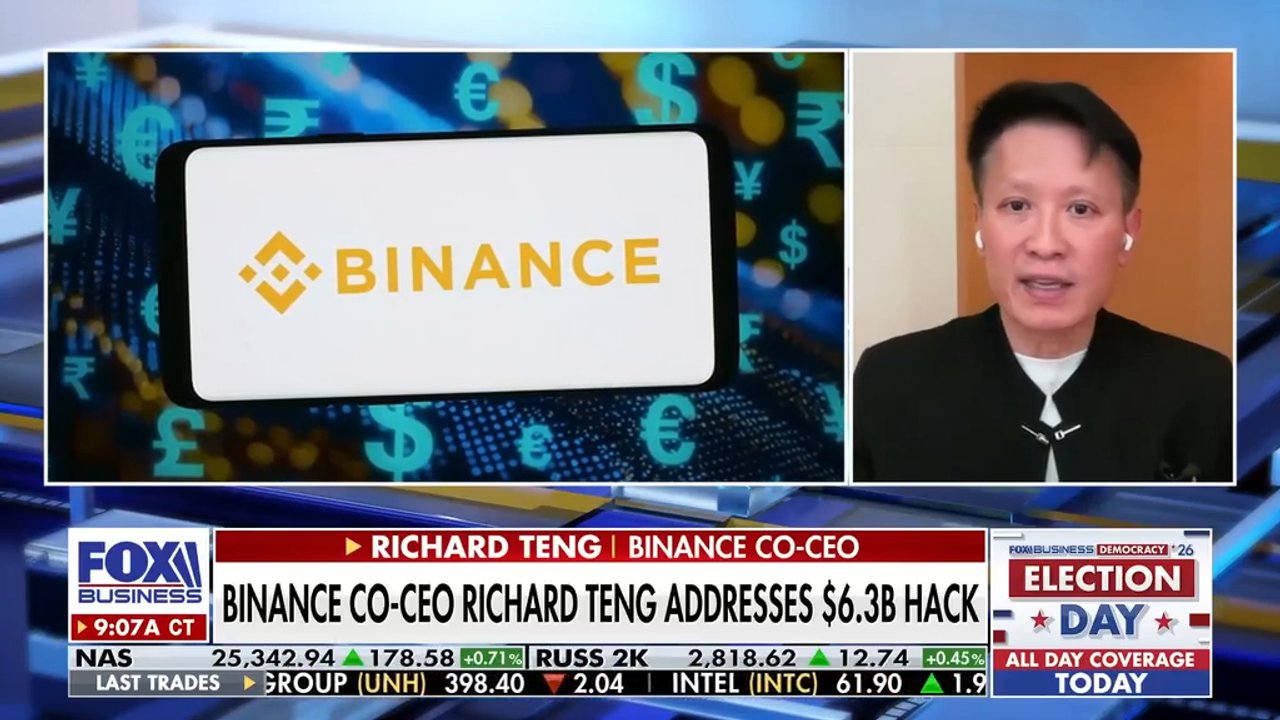 Binance co-CEO Richard Teng tells FOX Business' Darren Botelho that customers will not bear any losses following a massive $6.3B hack. Teng emphasizes that the cryptocurrency exchange bears full responsibility and has replenished affected assets.
foxbusiness.com
 North Korean hacker in the shadows
foxbusiness.com
 Richard Teng speaks at conference
foxbusiness.com
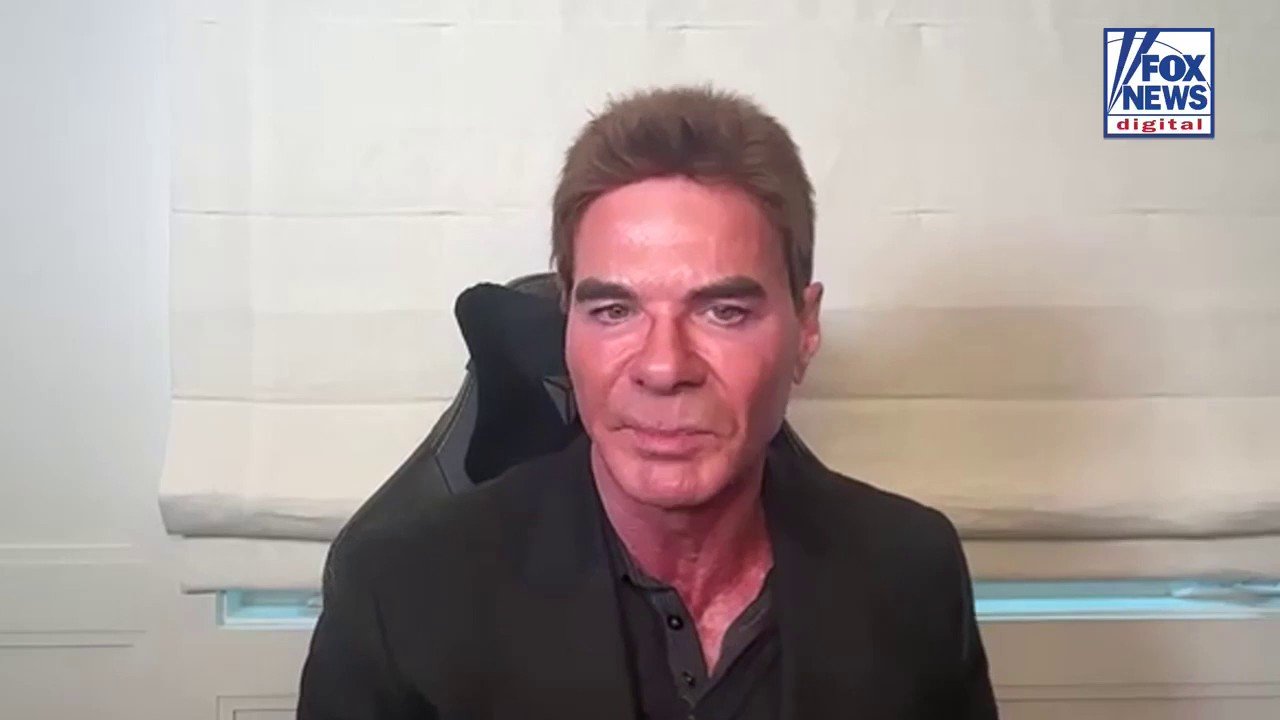 Eric Schiffer, chairman of Patriarch and Reputation Management Consultants, warns that the $6.3 billion Binance hack could signal a wave of cyberattacks.
foxbusiness.com
The U.S. Justice Department has begun legal proceedings to recover more than one billion dollars in cryptocurrency stolen by North Korean hackers in the October breach of the Binance exchange. The heist netted roughly six billion dollars in virtual currency, and the department says it has already helped seize and freeze more than three billion of it. Monday's action targets all USDC — the stablecoin issued by Circle Internet Financial — held across 36 virtual currency addresses spanning 18 blockchains.
The way in ran through a job interview. According to court documents, a purported recruiter contacted a Binance employee, who expressed interest in the role and agreed to an interview; during the process the employee was instructed to download software secretly laced with malware. The compromised device allowed the intruders to install an EIP-7702 injection and reach the exchange's internal network and hot wallets on October 29. The FBI attributes the breach to North Korea, and the hackers have kept pushing the stolen funds through exchanges, bridges and mixing services designed to obscure the movement of digital assets.
The target is chosen with care. Stablecoins are issued by a single company — Circle, in this case — which makes USDC the slice of a six-billion-dollar haul that runs through infrastructure a U.S. court can actually reach. U.S. attorney Jeanine Ferris Pirro framed the forfeiture in maximal terms: 'Whether it is a lone hacker or an enemy nation-state, and wherever the criminal proceeds may go, my office and our partners will meet the moment, go toe-to-toe with our adversaries, and help victims of crime.' The Treasury Department, for its part, notes that North Korea also generates revenue for its weapons programs through overseas IT workers operating under false identities. The same state, the FBI says, walked away with roughly six billion dollars from a single exchange.
Binance co-CEO Richard Teng says the company has closed the exploited entry points, rebuilt the affected systems and replenished the stolen assets. Customers, he confirms, will bear no losses.