
EU proposes quarterly reporting on alumina sold to Russia
Commission admits no one had the complete picture of Irish shipments feeding Rusal smelters, export ban stays out of the 22nd sanctions package
Images
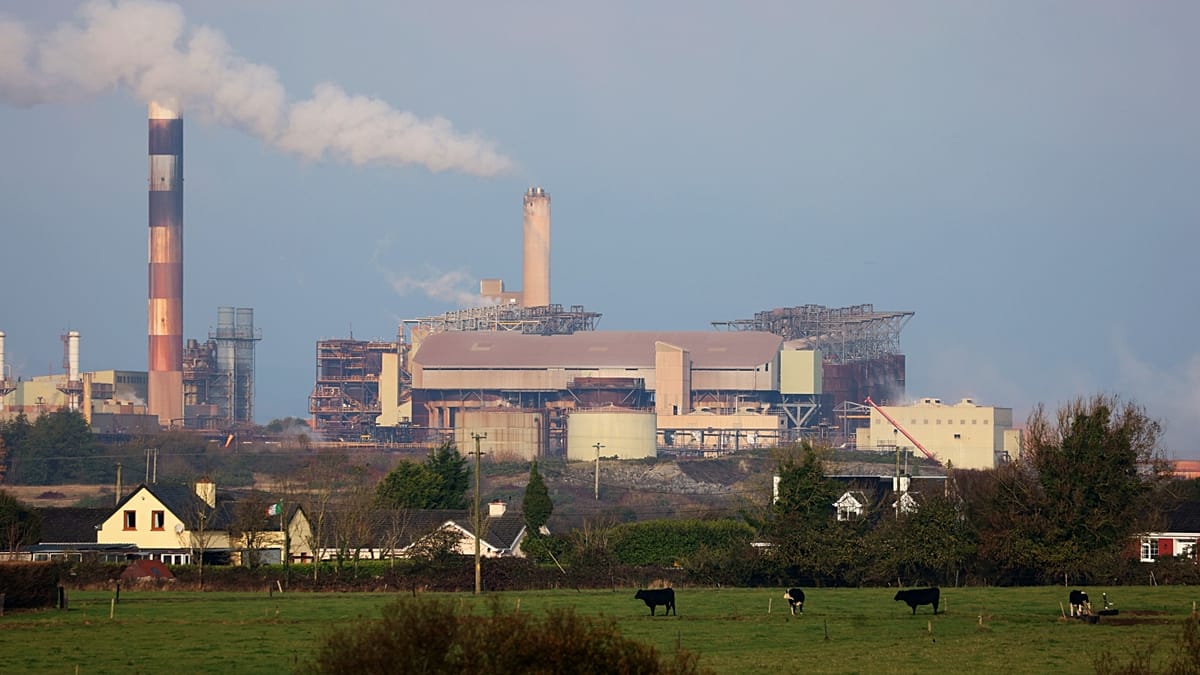 EU seeks 'fuller picture' of Ireland's alumina sales to Russia
euronews.com
The European Commission has proposed that EU member states report every three months on the alumina they sell to Russia: the amount, the value, the transport method, the dates and places of loading and discharge, the contract type, the importer and the final destination. "The idea of the mechanism is that we get a fuller picture of what the trade flows are," Siobhan McGarry, the Commission's sanctions spokesperson, said on Wednesday in response to a question from Euronews. "It's not clear to us."
The mechanism is not an export ban. The EU's 22nd sanctions package, still under negotiation, contains no ban on alumina, despite public pressure from Ukraine and the Baltic countries to include one. Asked whether the Commission reserved the right to sanction the exports if the reported data raised alarms, McGarry said: "The purpose of this reporting mechanism is to identify just that: where is this alumina ending up? And then we will look at what further measures we may or may not need to take. We're not quite there yet."
The mechanism follows a year of revelations that Brussels could neither contradict nor confirm. Earlier this year a media consortium traced Aughinish Alumina, a refinery in western Ireland owned by United Company Rusal, to Russia's military complex. Irish-made alumina, the investigation found, is sent to Russian smelters owned by Aughinish's own parent company; Rusal sells the metal on to a trader that supplies aluminium to sanctioned defence manufacturers, and weapons produced by those manufacturers have been deployed to kill Ukrainian civilians and bombard civilian infrastructure. Swedish authorities separately concluded that Rusal remained under the effective control of Oleg Deripaska, a sanctioned oligarch with close ties to the Kremlin.
The scandal broke just as Ireland prepared to take up the EU Council's six-month presidency. Kyiv's leadership asked Dublin to cease the alumina sales immediately; the Irish government warned that sanctions could decimate hundreds of local jobs and disrupt a strategic supply chain for Europe, opened a probe to corroborate the media claims, and reported it had found "no evidence" to confirm or refute the relationship between Irish alumina and Russian weapons. The inconclusive findings were passed to Brussels "for its consideration."
"One thing that was clear from what we saw over the summer when it came to Aughinish is that no one had the complete picture," McGarry said. "And so this is an opportunity for member states and for the Commission to see what's taking place here." Alumina, she added, is a critical raw material: "We do have industries in Europe that rely on alumina, so we need to see whether we have the right balance."
Aughinish says it took the allegations with "the utmost seriousness" and will set up a framework of independent third-party verification to monitor the alumina it ships into its parent company's smelters.