
Trump proposes new tariffs on 14 trading partners
EU and Japan among 16 economies probed under Section 301 after Supreme Court struck down broader levies, deals extracted under last year's threats declared consistent with new duties
Images
 US proposes new tariffs on 14 trading partners, including China, Japan and the EU – business live
theguardian.com
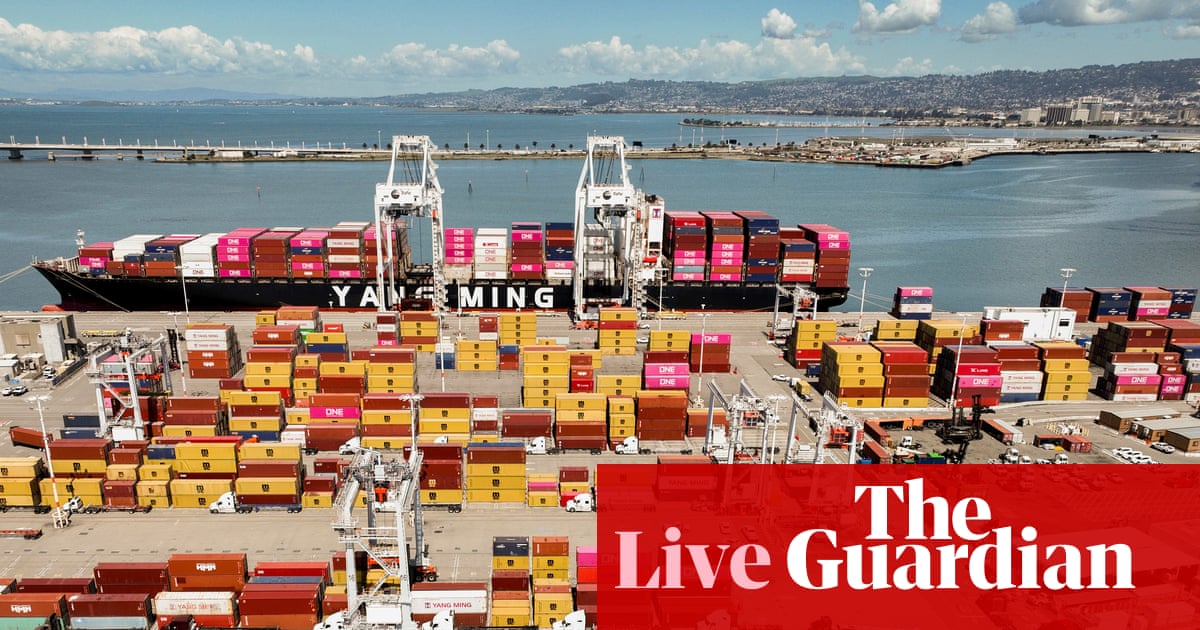
The US Trade Representative's office has proposed new tariffs on goods from 14 trading partners after completing an eight-month Section 301 investigation into what Washington calls "structural excess industrial capacity." Sixteen partners were investigated, among them close allies Japan, the European Union and South Korea; 14 now face proposed duties. The specific rates are due in the Federal Register later today.
The move follows the Supreme Court's decision striking down the broader tariffs President Trump announced earlier in his term. The legal basis this time is Section 301 of the Trade Act of 1974, which lets the administration investigate and retaliate against foreign trade practices it deems unjustified by market forces or discriminatory against American goods.
For two years the European Commission has tried to buy calm with concessions — beef, soybeans, an energy import deal — each calibrated to keep Europe off American target lists. Europe made the list anyway. A senior administration official told reporters that the new tariffs would be consistent with the trade deals Trump reached last year with dozens of countries after threatening severe tariff hikes. Those deals were what the threats produced; the new tariffs are, in the official's word, "consistent" with them.
Brazil, whose trade talks with Washington stalled, was singled out: a new 10 percent tariff on aircraft lands directly on Embraer, alongside higher duties on raw and refined sugar. For some Chinese goods, a new 20 percent tariff will be stacked on existing import taxes for a combined rate of 45 percent. Countries that negotiated received deals last year. Countries that stalled received tariffs. The negotiated countries are now receiving tariffs too.
For European exporters the arithmetic is public. The commission conceded as a bloc, was investigated as a bloc, and has been listed as a bloc — and the question facing every member state is whether its industries should keep underwriting a common negotiating line that has not kept the bloc off the list. Washington has negotiated its deals country by country.
The rates were due for publication in the Federal Register later the same day. The beef, the soybeans and the energy had already been delivered.