
Iran vows every means to counter US blockade of Hormuz
Trump says ships that run it will go to the bottom of the sea, Guards-linked Tasnim reports no official convoy plan exists
Images
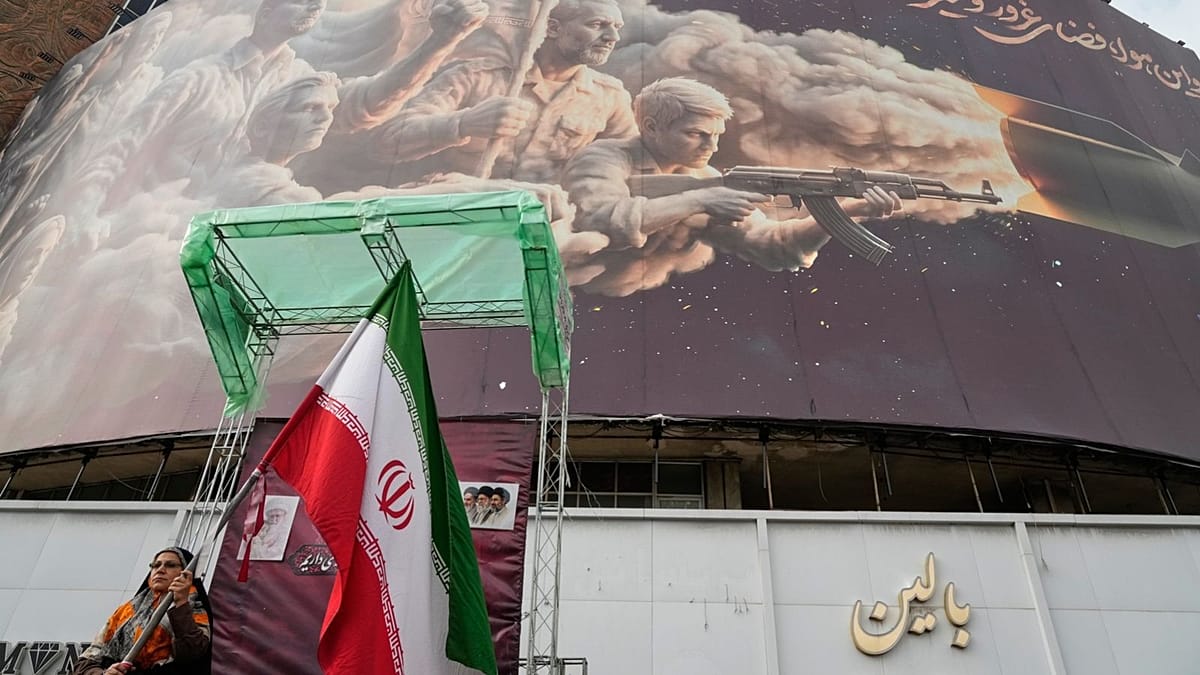 Iran vows 'every means' to counter US blockade after Trump threat
euronews.com
Iran's foreign ministry on Monday called the US naval blockade of the Strait of Hormuz 'military aggression' and an 'act of crime', and vowed to counter it by 'every means'. Spokesman Esmaeil Baghaei told his weekly press briefing that the blockade violated the UN Charter and that Tehran considered itself entitled to any means of self-defence: 'We will certainly not tolerate this situation and will use every means to counter US aggression.' The statement came a day after President Donald Trump said Iranian ships that tried to run the blockade would go 'to the bottom of the sea, just like the rest of their navy.'
The vow lands on a question Iran's own media has been raising for days: figures close to the Revolutionary Guards have called for a convoy of tankers to break the blockade, some threatening that Gulf oil facilities would be targeted if the ships came under attack. The official answer, so far, is that no such plan exists. Tasnim, the Guards-linked news agency, wrote on Sunday that no competent authority in the armed forces, the Supreme National Security Council or the government had announced a convoy — the reports came entirely from media and social media — while adding that plans to break the blockade are 'certainly being drawn up' by people outside the circle of security and military decision-makers.
Meanwhile the UK Maritime Trade Operations office confirmed at least one incident on Sunday involving an oil tanker in the Gulf of Oman, with military forces involved and no further detail released; US Central Command had not commented as of Monday. The Guards' commanders lined up threats regardless. Air force commander Majid Mousavi, whose aerospace forces he says have grown since the last round of fighting, declared that 'the field is ours and we determine the battlefield'; Baghaei said any US attack would draw a response from Mousavi delivered 'in a neat and elegant package.' Deputy commander-in-chief Mostafa Izadi said missile ranges had been significantly upgraded and that any answer would come 'without geographical limitations.'
Parliament speaker Mohammad Bagher Ghalibaf, citing Supreme Leader Mojtaba Khamenei, called for 'sustainable deterrence' — 'We must remove the shadow of war from ourselves' — while Foreign Minister Abbas Araghchi offered the exit ramp: Hormuz could reopen within two hours of the other side fulfilling its commitments.
Baghaei's own preferred end state, stated at the same briefing: 'The best scenario is for them to get the hell out of the region.'