
China sentences official to death for spying, state publisher says he handed over 35 state secrets for over a million yuan
Five most-viewed CIA YouTube videos are Mandarin recruiting ads
Images
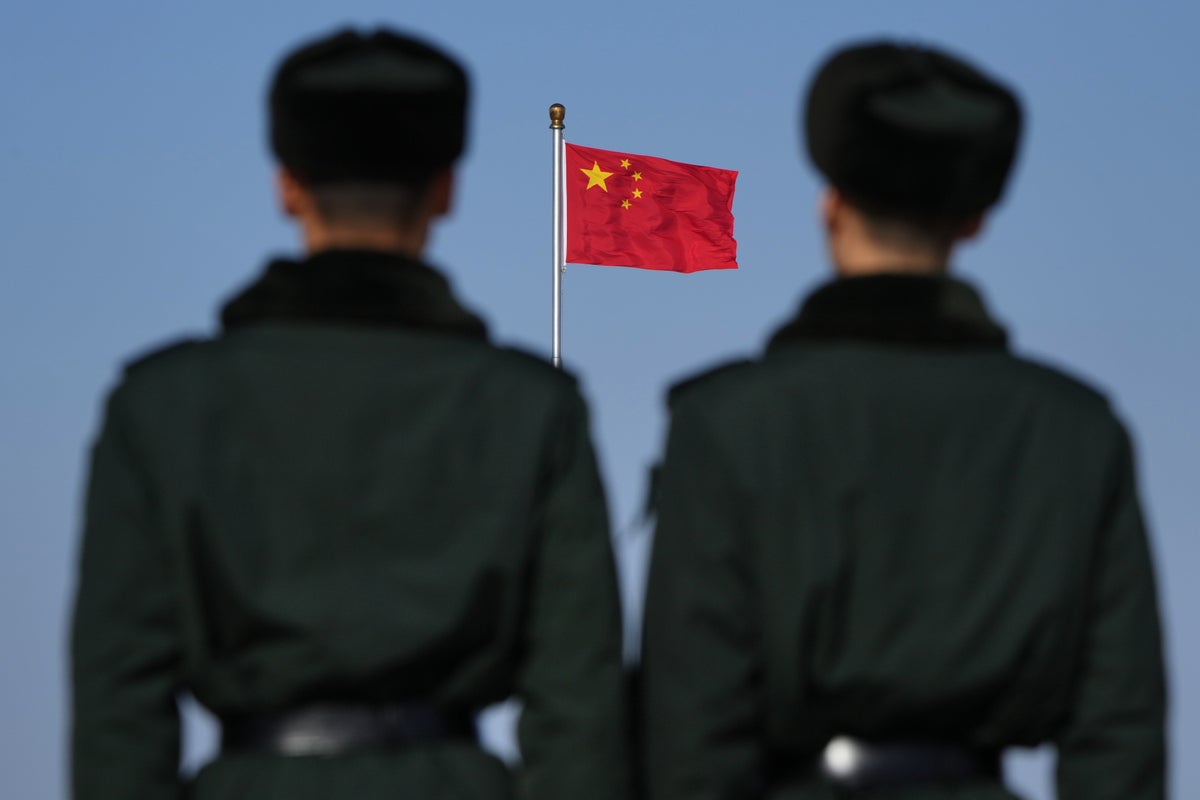 China sentences an official to death for spying and leaking national secrets
independent.co.uk
China has sentenced an official to death for spying for a foreign intelligence service, according to a statement published Monday by Gold Wall Press, a publishing house associated with the National Administration of State Secrets Protection. The official, identified only by the surname Ma, was recruited while working abroad and provided 35 pieces of information classified as national secrets, receiving payments worth more than one million yuan — about $150,000.
Chinese courts typically publish nothing about state security cases. In recent years the Ministry of State Security and Gold Wall Press have made a habit of publicizing them anyway, through social media, films and comics, and Monday's statement reads as a manual for anyone posted overseas: a handler identified as Kailin cited an interest in learning Chinese to arrange meetings, paid Ma a fixed monthly retainer under a cooperation agreement with 'confidentiality' and 'loyalty' clauses, then introduced a colleague who threatened to report Ma's earlier disclosures unless he kept cooperating. Gold Wall Press called the case 'yet another wake-up call,' warned that foreign agencies are 'cunning' and use emotional ties, financial interests and threats to reach people in key positions — the three levers, in that order, that the Ma narrative itself documents — and urged officials to strengthen their loyalty to the Communist Party.
The statement did not identify the countries involved, say when or where Ma was sentenced, or whether the sentence has been carried out.
The recruitment traffic runs in both directions. The five most-viewed videos on the CIA's YouTube channel are recruiting advertisements in Mandarin — American intelligence openly solicits sources inside China while Beijing openly prices the consequence. The same week, American investigators described a Chinese intelligence contact on the other side of the chip war: a woman in touch with a state security official for more than a year while her firm acquired advanced Nvidia chips, some of them allegedly smuggled on to China.
One side of the exchange advertises on YouTube. The other publishes death sentences.