
Medvedev warns Russia may launch preventive nuclear strike
German intelligence points to nuclear-armed Sputnik-S satellite before 2027, Russia signed the 1967 treaty banning weapons of mass destruction in orbit
Images
 Putin issues nuclear warning to NATO over Ukraine weapons
foxnews.com
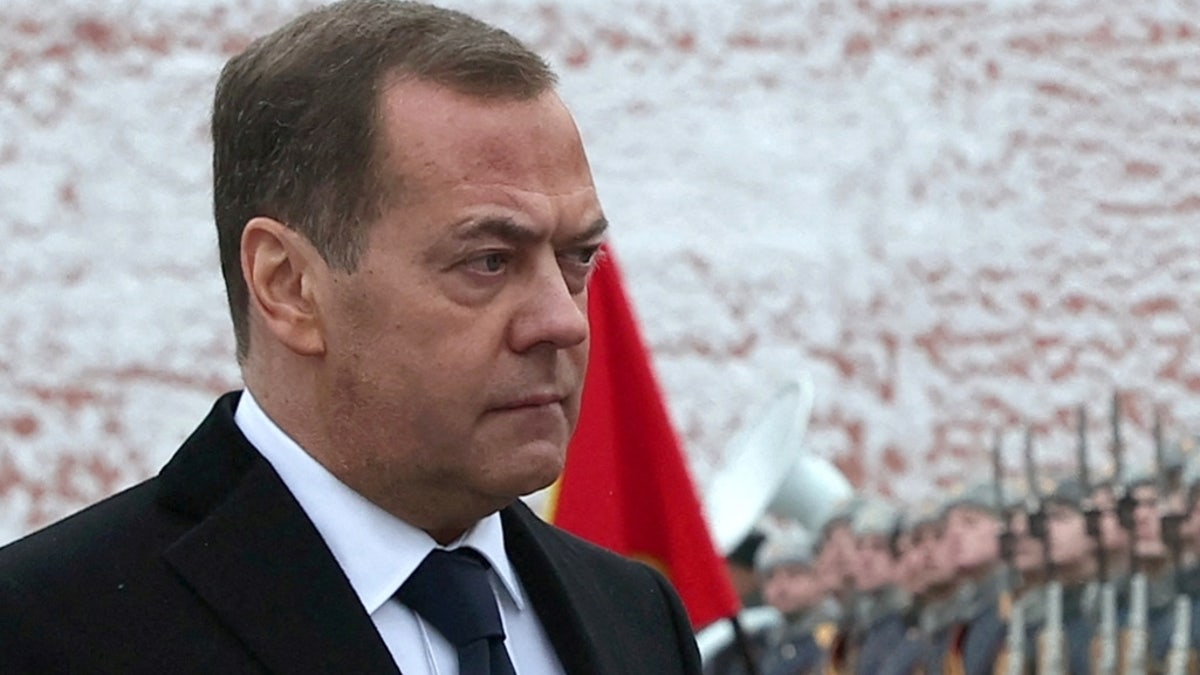 Dmitry Medvedev
foxnews.com
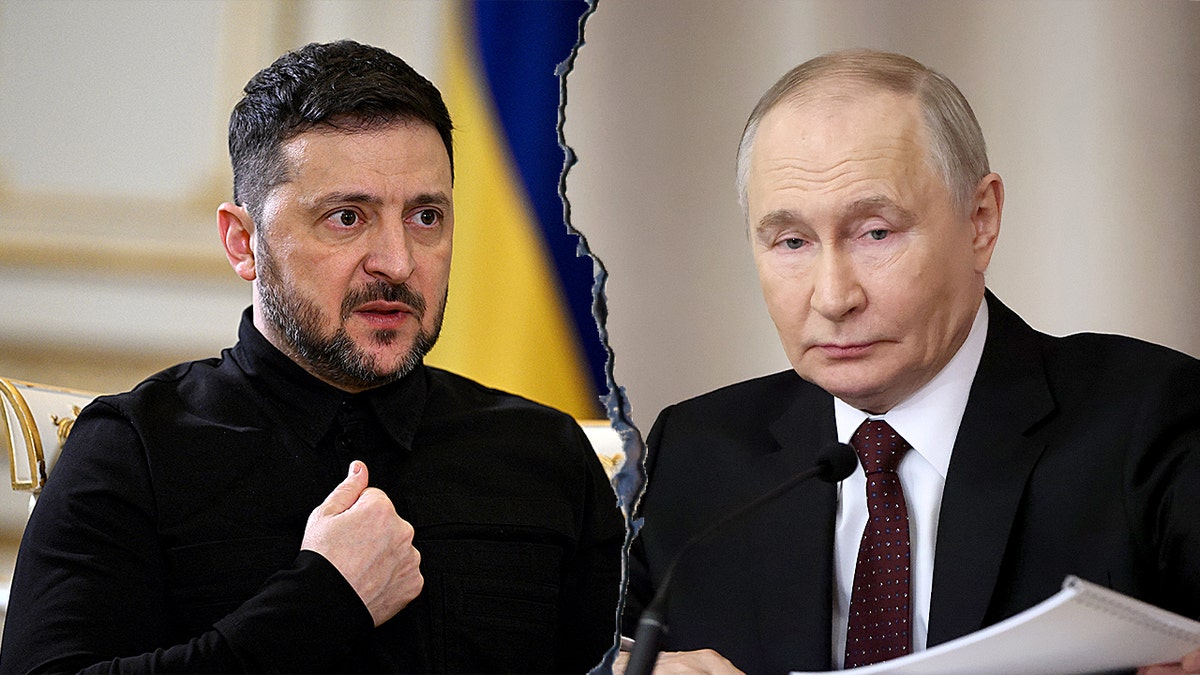 Zelenksyy and Putin
foxnews.com
 Vladimir Putin, Xi Jinping and Donald Trump attend a trilateral meeting at the APEC Leaders' Summit.
foxnews.com
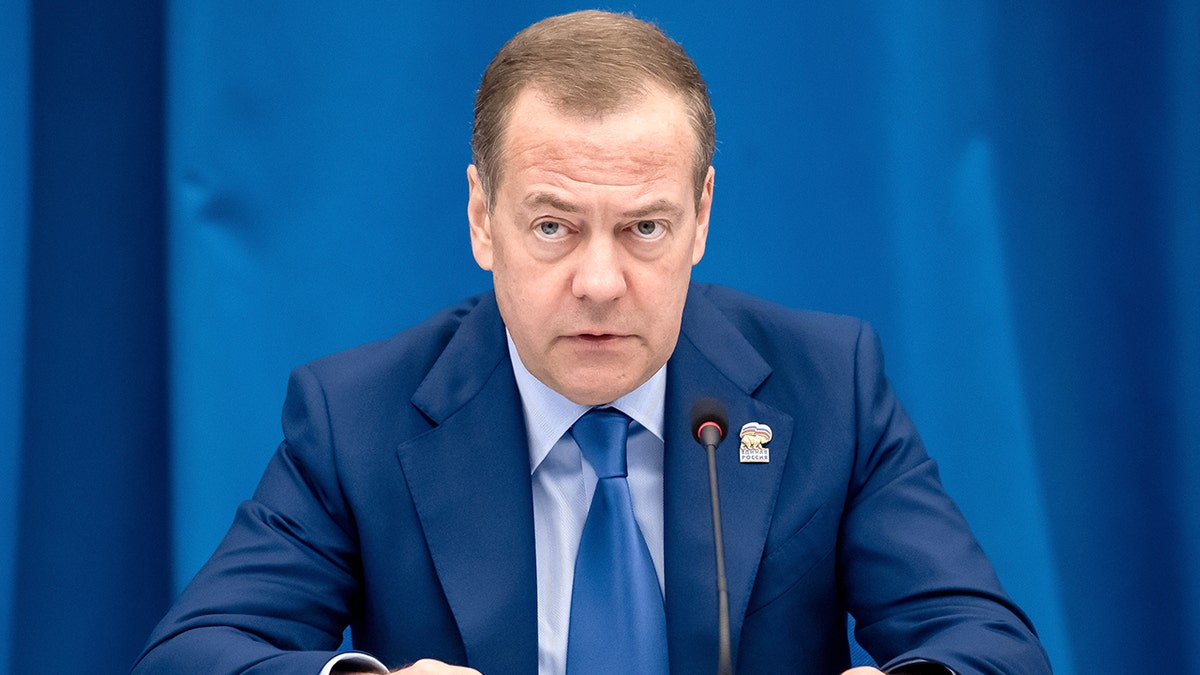 Former Russian President Dmitry Medvedev
foxnews.com
 The Jensen Huang Saga Isn't Over: The Big Questions Answered Now That He's Back At Nvidia
timesnownews.com
Dmitry Medvedev, deputy chairman of Russia's Security Council, wrote on Monday that 'the massive use of non-nuclear means that cause catastrophes makes a preventive nuclear attack by the Russian Federation possible.' The article, published in the Moscow Journal of International Law and excerpted by the state agency TASS, argues that Ukraine and its NATO backers 'have already created situations in which Russia considers the possibility of launching a nuclear strike' — while conceding that the war so far 'has not created a state of direct necessity to use nuclear weapons.'
The same day, German broadcasters WDR and NDR and the newspaper Süddeutsche Zeitung reported, citing Western officials including sources in the BND foreign intelligence service, that Russia could launch a nuclear-armed satellite known as Sputnik-S within weeks, before the end of the year. Government spokesperson Stefan Kornelius said Berlin takes the reports seriously but declined to speculate publicly about the weapons systems involved. The Russian embassy in Berlin dismissed them as unfounded propaganda.
Medvedev's piece is a law-journal article rather than a broadcast threat, and its argument is elastic: Russian doctrine does not explicitly authorize preventive strikes, he notes, but catastrophic conventional attacks or the secret transfer of Western nuclear arms to Kyiv could justify preemption. He writes that Russia 'not only has the right, but in various situations has the obligation to use nuclear weapons,' that any final decision rests solely with Putin, and that Putin weighs 'the proportionality between the actual damage inflicted and the retaliatory measures.'
The satellite carries more hardware than the rhetoric. A nuclear detonation in orbit would damage military, civilian and commercial satellite networks through electromagnetic and radiation effects — and, as former NATO official William Alberque has warned, would likely destroy Russia's own orbital infrastructure along with that of allies including China. Concerns about a Russian anti-satellite nuclear capability first surfaced publicly in 2024, when the Biden administration called Moscow's pursuit of it troubling.
All of it lands in a vacuum. New START has expired, and the two largest nuclear arsenals are unregulated for the first time in over half a century.
The Sputnik-S reports have not been independently confirmed, and Germany's Space Command and the BND declined to confirm or deny them. Russia is a signatory of the 1967 Outer Space Treaty, which prohibits placing weapons of mass destruction in orbit; the satellite said to be assembled and waiting near Moscow would carry one.