
Japan launches Asian oil task force as Iran war squeezes Hormuz supplies
Takaichi pitches an Asian version of the IEA using tanks of closed refineries, rules for drawing on one another's reserves still unwritten
Images
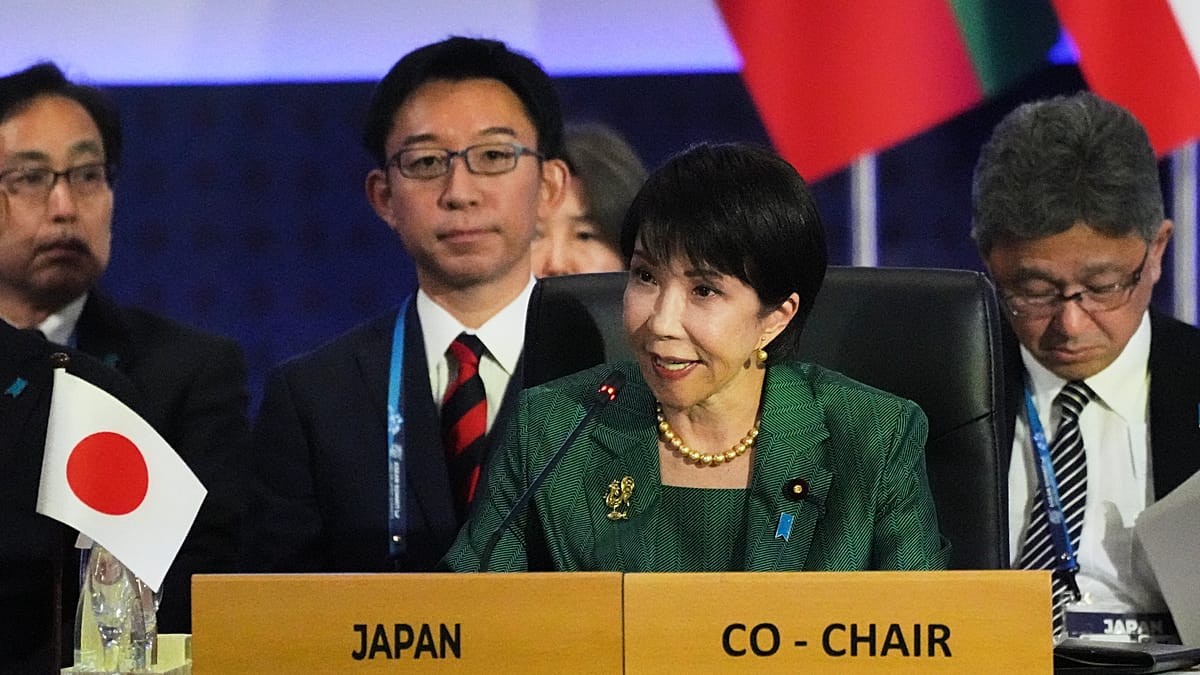 Japan launches Asian oil task force amid Gulf supply disruptions
euronews.com
Japan has launched a regional task force to help Asian countries build emergency oil reserves and plan joint responses to shortages, as the Iran war disrupts shipments through the Strait of Hormuz. Prime Minister Sanae Takaichi announced the initiative on Tuesday at the Asia Zero Emission Community leaders' meeting in Manila, alongside the ASEAN summit. By the IEA's count, around a quarter of the world's seaborne oil trade passed through Hormuz in 2025 — and roughly 80 percent of those barrels were heading to Asia.
The arithmetic explains the initiative. Tokyo has proposed using unused storage tanks, including those at closed refineries, to hold reserves for other Asian countries, creating shared stockpiles across the region; Singapore, Indonesia and Malaysia have expressed support, and the United Arab Emirates has shown interest in storing oil in countries with available facilities, according to Philippine trade secretary Cristina Roque. A joint statement by Japan and the IEA confirmed the task force, which will work with the IEA and the Economic Research Institute for ASEAN and East Asia to assess reserves and explore coordinated responses to shortages. An oil security centre in Tokyo, supported by the agency's teams in Paris and Singapore, would help countries develop storage systems and share market information. Takaichi framed the ambition herself: "We would like to position this as an Asian version of the IEA."
The IEA already coordinates emergency releases among its members, who must hold stocks equivalent to at least 90 days of net oil imports, and on 11 March its members agreed to make 400 million barrels available — the largest coordinated release in the agency's history — in response to the Iran war. Japan and the Philippines signed a three-year agreement on Monday covering storage facilities, financing and the rules for managing and releasing supplies. Takaichi has separately proposed closer cooperation between Middle Eastern producers and Asian consumers, with Japan helping to connect the two regions and strengthen their energy supplies.
The announcements are specific about tanks, centres and assessments. What no one has yet agreed is whether countries in the pool could draw on one another's reserves.