
AI pricing engines shrink Black Friday discounts
Brands from Gap to Under Armour use algorithms to find the smallest markdown that still converts, consultant says shoppers will not realize it is happening
Images
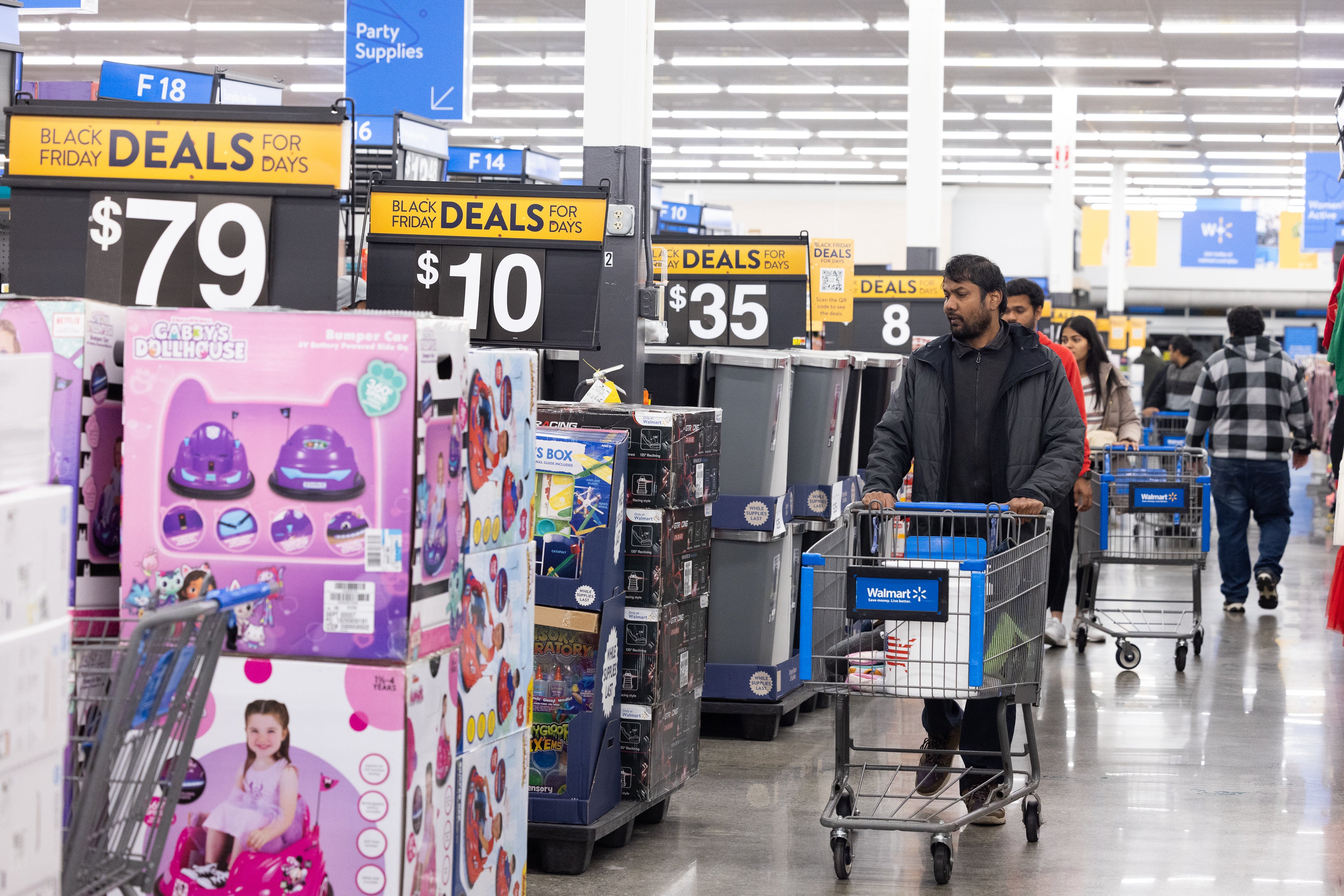 Walmart has been using in-house machine-learning software to manage inventory since around 2019 (Getty)
Getty
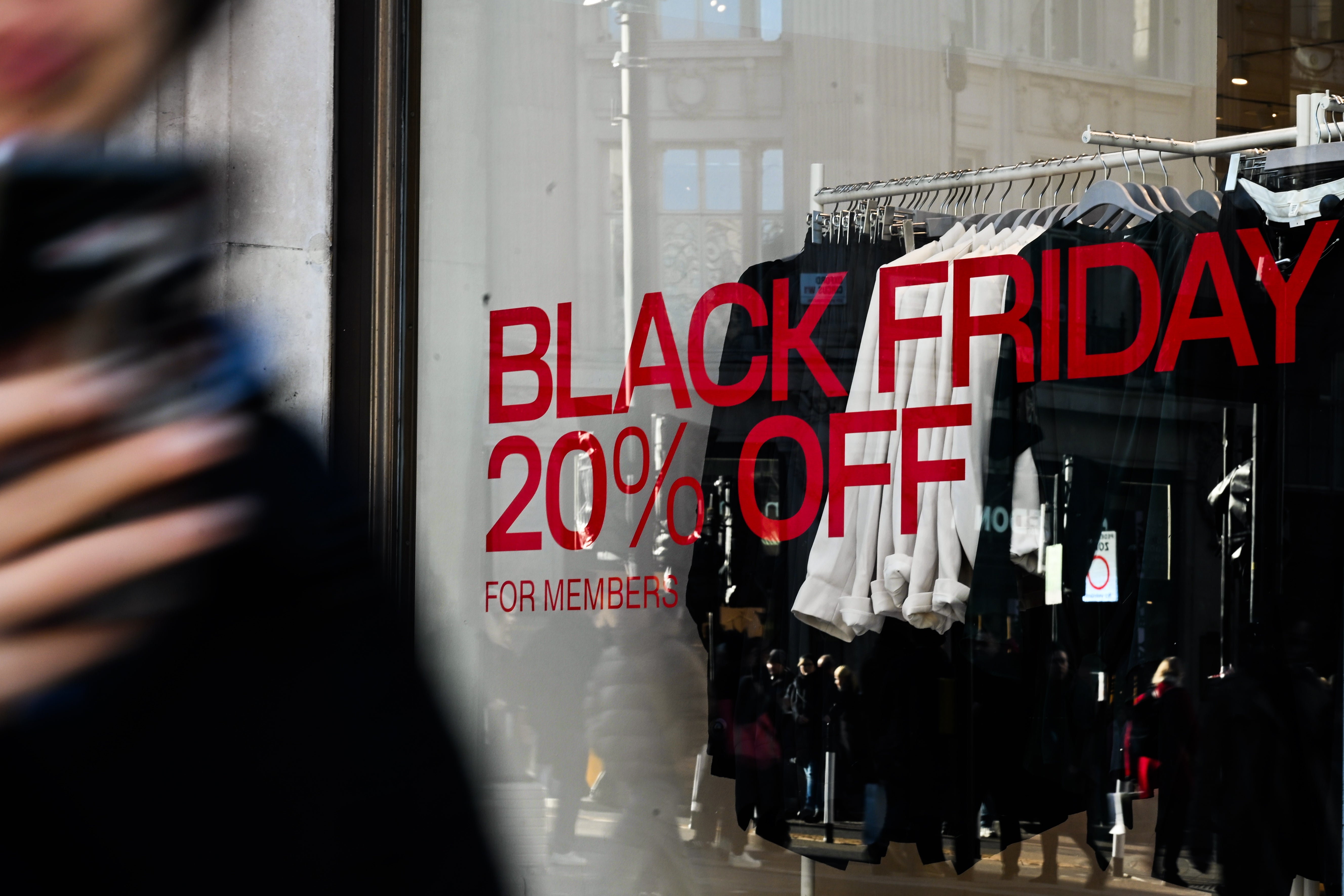 Consumer brands are increasingly turning to artificial intelligence to help set prices, hoping to reduce discounts to protect profit margins (Getty)
Getty
Shoppers hunting Black Friday bargains this week will find the discounts thinner than planned — not because of inflation, but because the markdowns were computed. Brands from Gap to Under Armour now run pricing through AI tools which, according to five firms interviewed by Reuters, exist to reduce discounts without dampening demand. One of the firms, Kapnova, advised a billion-dollar beauty brand to cut this year's Black Friday offer on a skincare product to 30 percent, down from a planned 40.
The tools synthesize sales data, inventory levels, competitors' prices, weather and economic conditions to predict demand in real time, and they have grown markedly better at it over the past two years. Impact Analytics, which counts Gap as a client, says its software "generally shows you need fewer promos for less time on less products." First Insight — used by Under Armour and Family Dollar to set prices and estimate how changes affect sales — recently suggested one brand scale a buy-one-get-one offer back from 50 to 40 percent off. Anaplan counts Tiffany, Dolce & Gabbana and Yves Saint Laurent among its pricing customers. Walmart has run in-house machine learning on inventory since around 2019.
A discount is information: it tells the market where a seller's floor sits. Retail pricing used to run on human nerves, with managers slashing prices to clear stale inventory or chase shoppers through the door. Lindsay Fisher, co-founder of the price optimization platform Sparkbox, says the software "has the confidence to hold its nerve" when a lesser discount will do. Black Friday is the day of maximum demand visibility — the one day a seller knows the whole world is watching for a markdown — which makes it the day the algorithm is best equipped to withhold one.
More than a dozen brands approached by Reuters, including New Balance, Tiffany and Under Armour, did not respond to requests for comment. Gap alone confirms it uses the tools for "more informed markdown decisions based on demand and inventory signals." The technology's full price impact is unknown; the available data is limited and anecdotal, and most of it comes from the vendors.
Ryan Orabone, a consultant who builds AI pricing tools, described the effect as subtle: if done well, "consumers won't realize it's happening."