
Colombian evangelicals move from pulpit to cabinet and congress
De la Espriella rode Homeland of Miracles slogan to the August presidency while housing ministry goes to a pastor, church founded in a living room in 1990 now fills nine Bogotá warehouses
Images
 The Evangelical Republic of Colombia
english.elpais.com
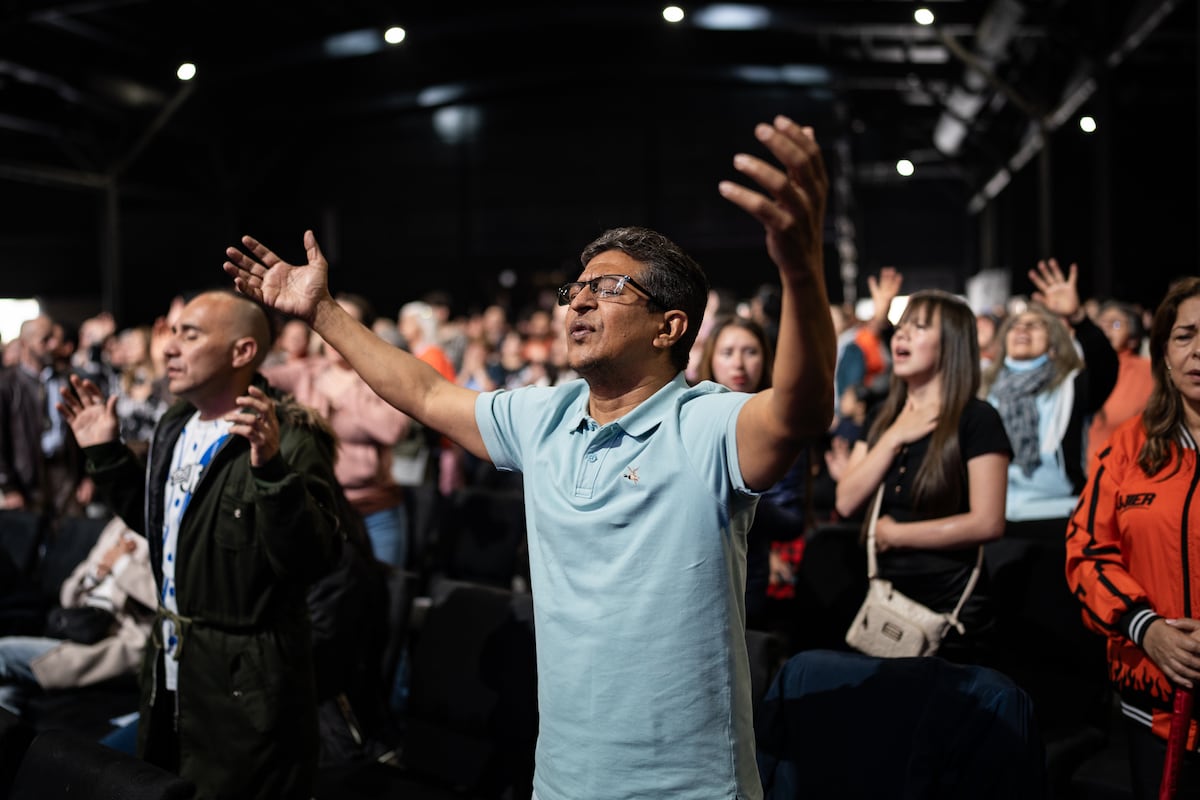
On a Sunday in mid-October, a mother stood before thousands of worshippers in Bogotá and told them her son had been diagnosed with autism in January. He did not speak, hit himself and could not sit still, she said — until the day after one of the weekly church vigils she and her husband attended, when he sang church songs for the first time. Earlier testimonies that evening credited God with healing cancer, a herniated disc, fibroids and a case of dermatitis; one worshipper said a lost car had been repaid at double its worth.
The audience for this is large. A survey by the National University finds nearly eight in ten Colombians believe miracles happen; among evangelical Christians, more than nine in ten. The Homeland of Miracles was the slogan that carried Abelardo de la Espriella to the presidency in August.
The churches doing the believing are institutions of scale. The World Revival Center was founded in October 1990 by Ricardo and María Patricia Rodríguez in the living room of their apartment, with their children as the only parishioners. Thirty-six years on, it occupies nine former warehouses in an industrial district of Bogotá, with a screen of 1,800 square feet — nearly the size of a volleyball court — services broadcast across the continent as a kind of television show, and an annual congress that fills area hotels with hundreds of pastors from dozens of countries. Ricardo Rodríguez presides over the March for Jesus, which last ran through 692 Colombian municipalities.
The Pew Research Center's most recent count puts evangelicals and other Protestants at 15 percent of Colombian adults — below Brazil's 29 percent and Chile's 19 percent. "Evangelicals are becoming the determining factor in the political changes taking place in the Americas," Pastor Eduardo Gómez told El País, naming Javier Milei in Argentina, José Antonio Kast in Chile and De la Espriella in Colombia. Evangelicals had counted on Flávio Bolsonaro to win Brazil's presidency; President Lula da Silva's comeback ended that.
Under De la Espriella the movement has taken posts as well as votes: evangelical ambassadors, ministers, mid-level officials, city councilors and members of Congress. Colombia's minister of housing is a pastor. The first government spokesperson — who never actually carried out her role — is the daughter of Pastor Eduardo Gómez.
Vice President José Manuel Restrepo convened a gathering of Colombians living in Spain at an evangelical church during his trip to Madrid for the Ibero-American Summit. He writes to Ricardo Rodríguez frequently.