
Ross Stores lifts quarterly sales 12 percent yet shares close lower
Fuel-driven freight costs bite as discounter vows to keep prices low, raised year outlook leans on $253 million tariff refund while holiday forecast trails last year
Images
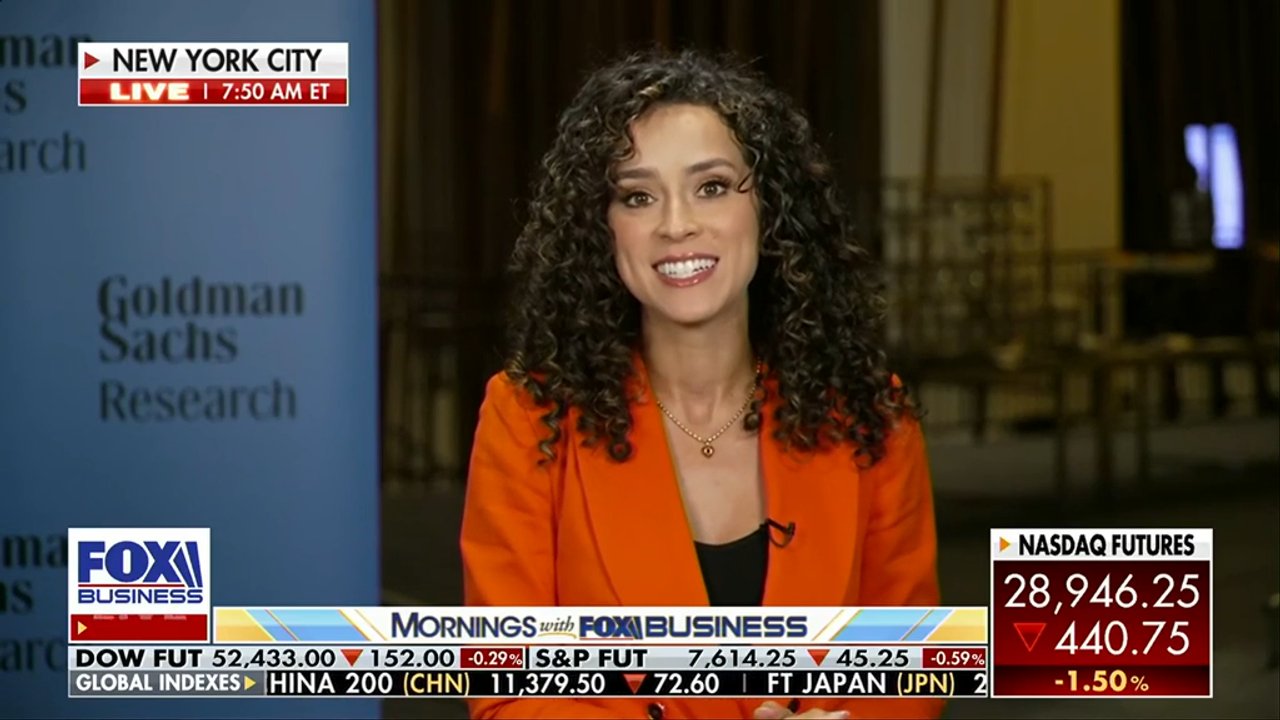 FOX Business' Madison Alworth analyzes consumer pull back on spending as retailers face higher costs, while Goldman Sachs managing director Kate McShane sees shoppers remaining strong.
foxbusiness.com
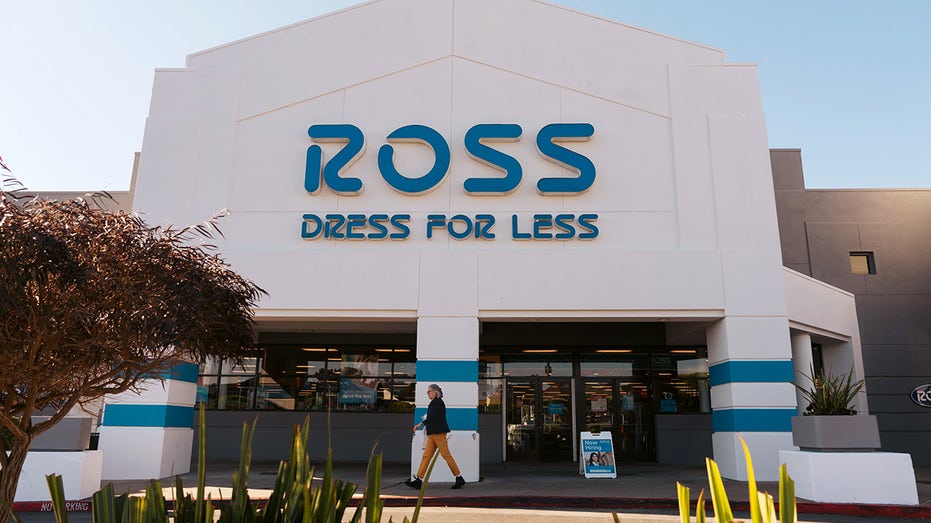 A person walking in front of a Ross store in San Francisco, California.
foxbusiness.com
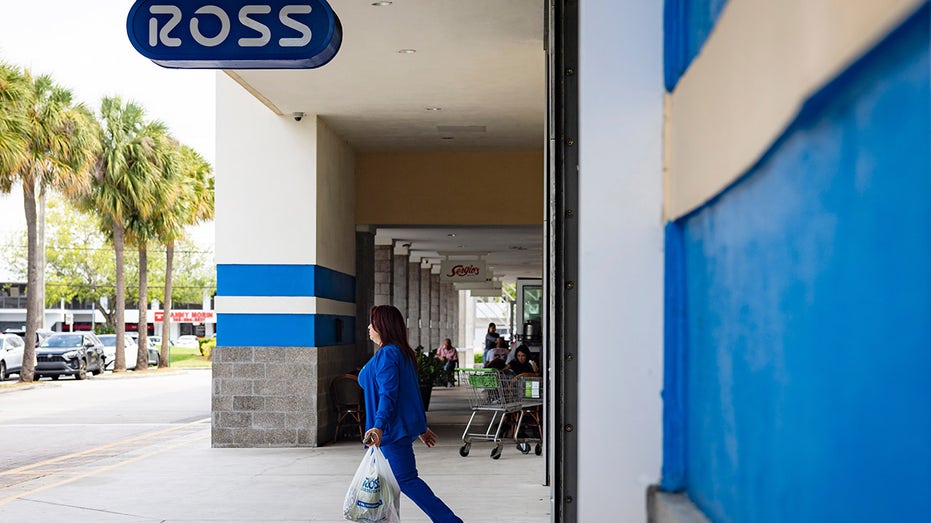 A Ross store in Miami, Florida.
foxbusiness.com
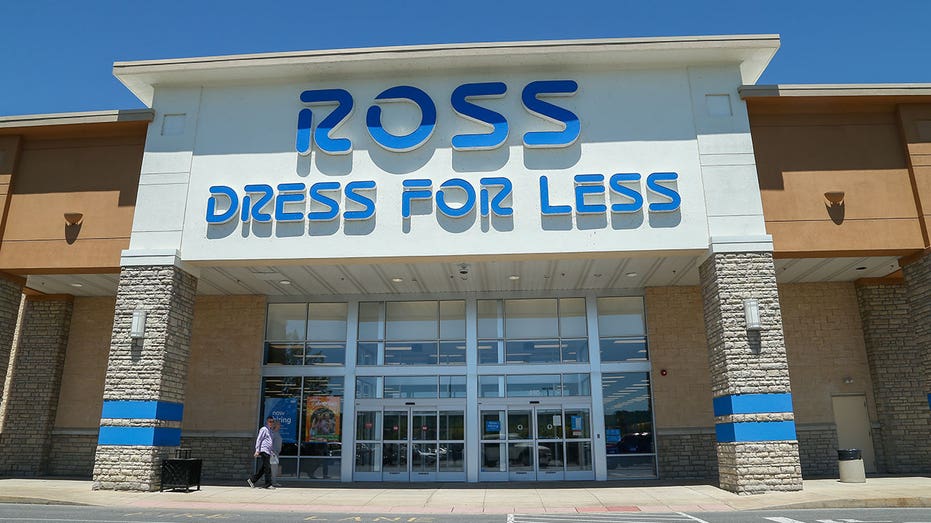 ross dress for less store
foxbusiness.com
Ross Stores rang up $6.26 billion in third-quarter sales, 12 percent more than a year earlier, and its shares closed Friday down 2.92 percent at $213.46. Same-store sales jumped 8 percent on heavier traffic, and net income of $606 million beat the company's own profit targets, according to its Nov. 19 earnings release.
The discounter left its holiday forecast where it was: 4 to 5 percent same-store sales growth for the fourth quarter, below the third quarter's pace and last year's 9 percent holiday surge. Chief Financial Officer Bill Sheehan told analysts the fourth-quarter profit range of $2.16 to $2.25 a share "reflects higher domestic freight expenses driven by rising fuel prices" — costs that had already eaten into third-quarter margins.
Chief Executive Jim Conroy called the quarter "off to a very solid start" after unseasonably warm late-October weather briefly dampened fall apparel sales. He rejected the suggestion that Ross's growth is mainly wealthier shoppers trading down: traffic gains were "extremely consistent across incomes," he said, and the chain has no plans to abandon its core of modest-income customers. With inflationary pressure running and consumer confidence, in his words, "extremely low," the company wants "to keep our prices low for our customers."
The full-year profit outlook rose to $8.75 to $8.84 a share — helped, the company said, by strong year-to-date momentum and by $253 million in federal tariff refunds recognized earlier in the year. Ross opened 51 stores in the quarter, completing a record 115-location expansion across 2026, five more than originally planned, and now runs 2,377 stores nationwide.
The squeeze shows up in the arithmetic. A retailer that refuses to raise prices on low-income shoppers absorbs fuel and freight costs in its margin, so the traffic converts into thinner profits rather than a higher share price. Ross beat its own targets in the quarter; the stock fell anyway.
Conroy still calls 2026 one of the strongest years in the company's history.