
Tracking site says Iranian tanker in Hormuz does not exist
AIS signal called a spoof while more than fourteen tankers gather at Kharg Island, foreign minister insists the blockade must be broken
Images
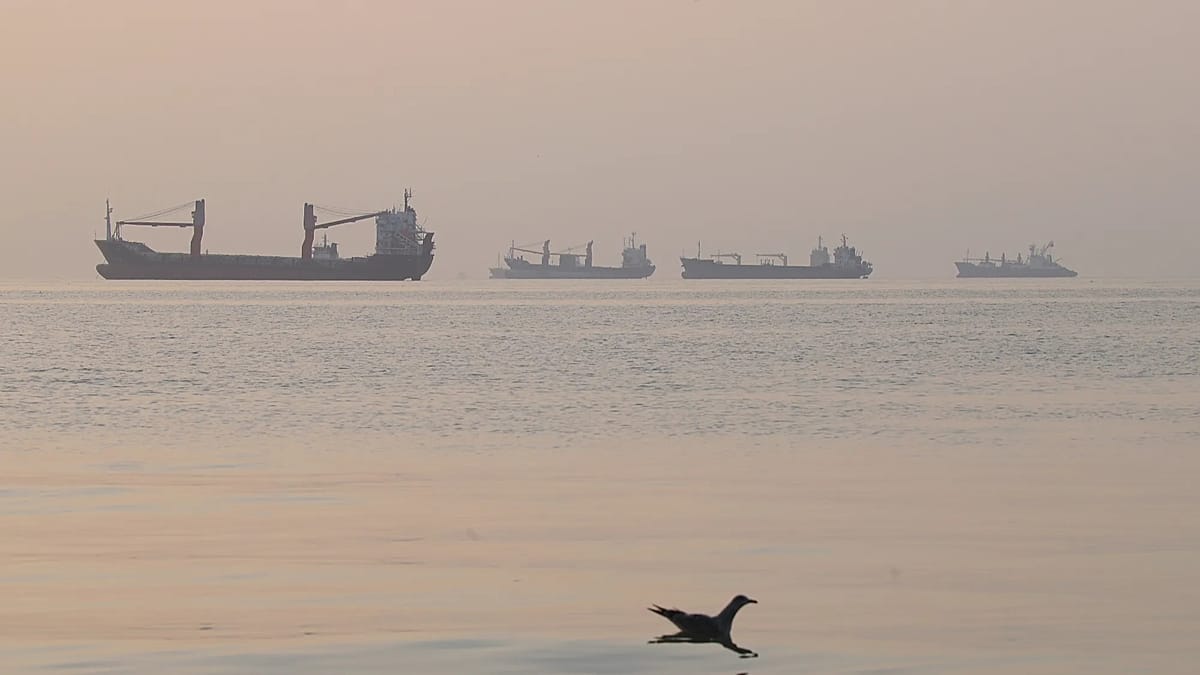 Tracker says Iranian tanker reported in Strait of Hormuz is fake
euronews.com
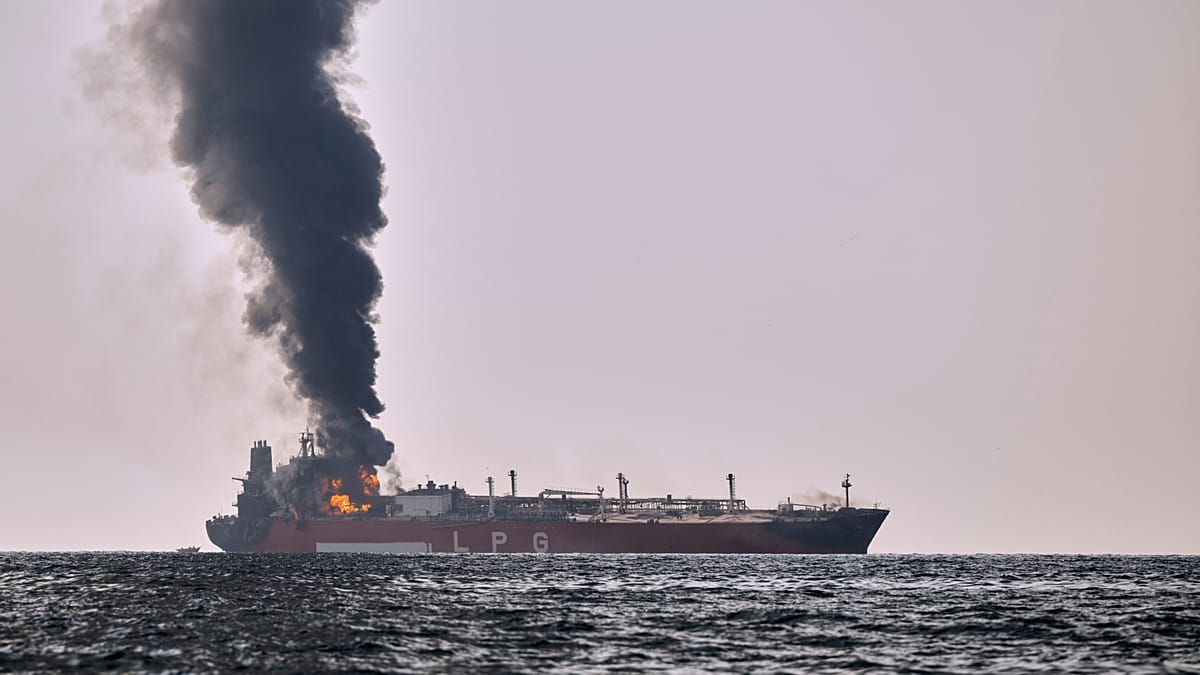 Iran launches attacks in Bahrain, Hormuz and moves against US blockade
euronews.com
MarineTraffic data appeared at the weekend to show an Iranian tanker, the Khat-Shekan, sailing through the Strait of Hormuz. The tanker-tracking site TankerTrackers says the vessel does not exist: the AIS transmission was a spoof, and nothing on satellite imagery corroborates the movements it described.
The phantom crossing came days after Iran's foreign minister, Abbas Araghchi, said the American naval blockade "must be broken". "We are making every effort to export oil and to conduct negotiations," he said on Friday. Satellite images and ship-tracking data published in recent days show more than fourteen tankers gathered around Kharg Island, a key Iranian export terminal, and Tehran has warned Washington that a convoy will sail soon — threatening a "fierce military response" and widespread attacks on Gulf energy infrastructure if the convoy is engaged.
CENTCOM marked 130 consecutive days of the blockade on Saturday and says it is preventing the Revolutionary Guards from exporting billions of dollars in crude oil. Trump has called the blockade an "impenetrable steel wall". Iran's deputy foreign minister, Kazem Gharibabadi, calls it "an act of war", and President Masoud Pezeshkian describes a "silent economic war" that is "tougher than a war with missiles" — one he says Iran has the capability to withstand.
The strait's real tanker traffic is meanwhile still being attacked. At least three tankers were struck in or near Hormuz on Saturday, according to the UK maritime security centre: two hit by projectiles as they exited the Gulf, and one — in the Iranian navy's account — after striking a naval mine east of the strait. No casualties were reported. TankerTrackers' explanation for why no Iranian supertanker has yet tested the wall is blunt: "The Iranians know better than to attempt to ship out a VLCC right now given how many were fired upon in recent months."
Hormuz normally carries about a quarter of the world's seaborne oil trade, and has been at the heart of the confrontation since the war broke out in late February. Iran's army has vowed a "more crushing" response to any further American attack, a spokesman saying any new aggression would be met with "a decisive, immediate and effective response", and state television showed ground troops deploying into defensive positions along Iran's southern coast for the first time.
Iranian state media said the military had carried out its most "intense and varied" operations yet in the strait overnight — to stop vessels.