
UN talks on killer robots end with agreement to keep talking
Geneva deal targets possible accord on autonomous weapons by 2028 without binding rules, fourteenth year of discussing machines already deployed in conflict zones
Images
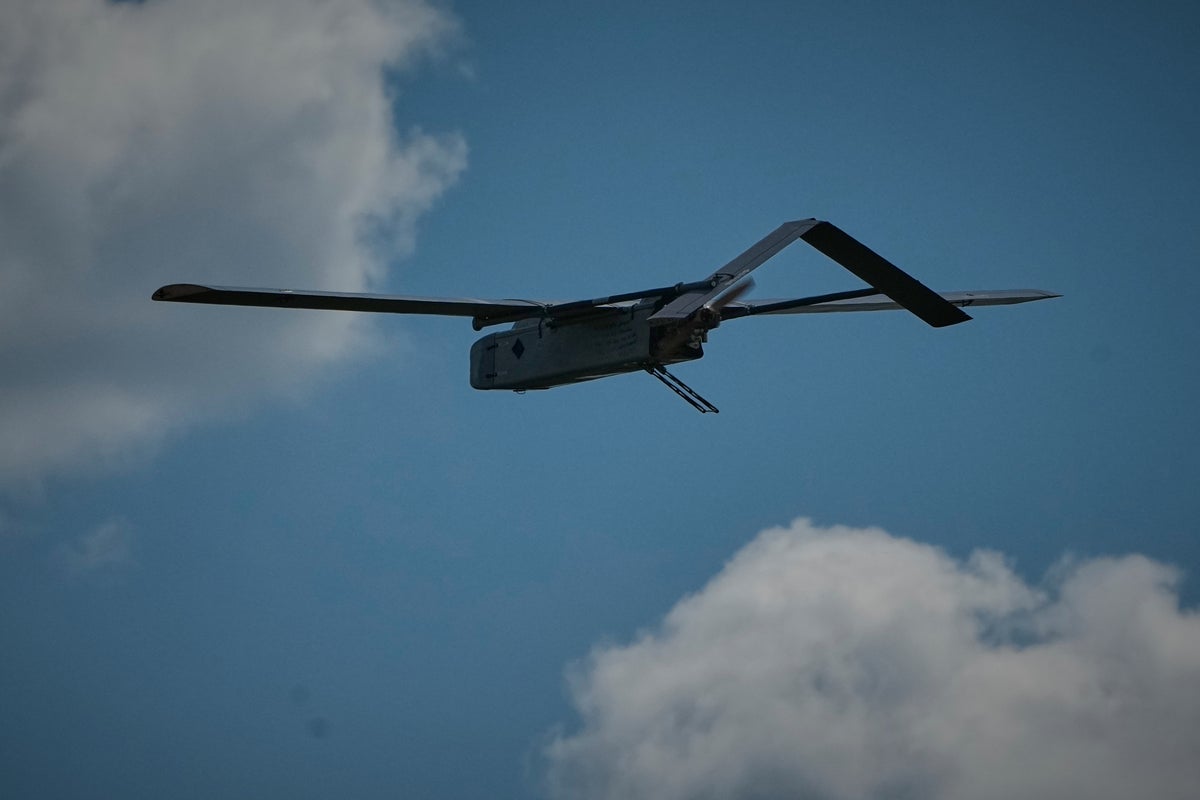 Nations at UN talks on AI killer robots agree to more talks but no firm commitment to rein them in
independent.co.uk
After a week in Geneva, UN-backed talks on autonomous weapons ended on Saturday with an agreement to extend the discussions for two more years and to "elaborate" a possible accord by 2028. No binding rules were agreed. Secretary-General António Guterres, who had wanted a legally binding deal this year and had set a 2026 deadline for launching negotiations, got neither.
The talks run under the Convention on Certain Conventional Weapons, ratified by 128 states, which decides by consensus: any single country can block an agreement, and the countries with the largest stakes in the technology were all in the room. Before the conference, seven states — Brazil, Austria, Belgium, Ireland, Mexico, New Zealand and Panama — proposed opening negotiations on a rulebook to prevent or limit machines killing without human control or accountability. The proposal fell short. Advocacy groups blamed the obstruction largely on Russia, which, like the United States and other leading developers, wants a freer hand with the weapons it is building; the campaign Stop Killer Robots called the result a "watered-down mandate". Pope Leo XIV and many humanitarian groups had urged action before the weapons become too commonplace to regulate easily.
The weapons themselves are no longer hypothetical. Activists note that armed drones capable of independently striking targets have already been deployed in select instances in conflict zones, though widespread rollout has not yet happened. Max Tegmark, a machine learning specialist at MIT, put the result plainly: states have agreed it is sufficient to just talk about the issue for the fourteenth year while these weapons enable atrocities. Beatrice Fihn, founder of the advocacy group Lex International, called the outcome "pushing the can down the road for two more years". Brazil's ambassador Frederico Meyer, whose country led the push for negotiations, was blunter: "Technology is moving faster than diplomacy. Diplomats are very slow."
The same week, the United States and China agreed between themselves that humans keep control of military AI, a pact revealed on CNBC by US Treasury Secretary Scott Bessent. A binding treaty would freeze arsenals where they stand and reward whoever signed last — a poor bargain for states already fielding the weapons, and a strong argument for keeping the venue where everybody holds a veto. Izumi Nakamitsu, the UN's high representative for disarmament affairs, called the Geneva outcome a "significant achievement", while conceding the glass was "half full or half empty".
Guterres leaves office at the end of the year. The possible accord is to be elaborated by 2028.