
Telegraph deputy editor Rob Winnett leaves for Daily Mail
Five months under Axel Springer have brought redundancies despite underlying profits, staff say the AI-powered global strategy is all very vague
Images
 The cuts at the Telegraph are being made despite the paper making underlying profits. Photograph: Maureen McLean/Alamy
theguardian.com
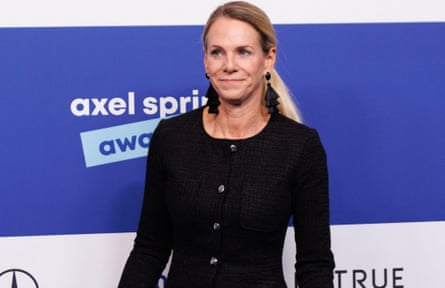 Carolin Hulshoff Pol, the Telegraph’s new chief executive, said the strategy was to reinvent the reader experience, build new revenue streams and grow internationally. Photograph: Dpa Picture Alliance/Alamy Stock/Alamy Live News
theguardian.com
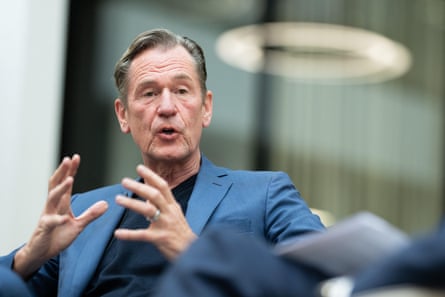 Mathias Döpfner, the CEO of Axel Springer, was thought to want the Telegraph to compete against right-leaning US media. Photograph: Sebastian Gollnow/Dpa Picture Alliance/Alamy
theguardian.com
Rob Winnett, the Telegraph's deputy editor and the journalist who led its coverage of the MPs' expenses scandal, is leaving to become chief content editor at the Daily Mail — a role that positions him as a likely successor to the Mail's editor, Ted Verity. The departure ends a week of intrigue at the paper: days of hushed meetings among senior figures, speculation about the future of editor Chris Evans, and Evans's apparent early return from a trip to the United States. In the event, only Winnett went.
It lands five months into the tenure of Axel Springer. The German group and its chief executive, Mathias Döpfner, paid £575 million for the Telegraph titles earlier this year, with promises of investment and expansion. Staff describe a different experience: large redundancies including senior newsroom figures, at a paper that continues to make underlying profits. "I don't think they have a particular plan – they clearly want money saved," one staffer said of the new owners, adding that Evans appeared to have been handed a savings target and that the wider thinking was "all very vague". Some at the paper believe Evans — credited with keeping the Telegraph running through three years in which it had no owner and could take no major strategic decisions — is now being used to carry out the bulk of the bloodletting. The company has repeatedly insisted the Telegraph will become a "global, AI-powered premium media and intelligence business"; staff remain unclear what the AI will entail, and there is confusion about who is even making the cuts. Winnett, described by one insider as "a huge loss", had been part of a team that travelled to Florida to scope a base for an expanded US operation. Solid plans from that trip have yet to emerge.
At a recent town hall, the new chief executive, Carolin Hulshoff Pol, told journalists the strategy was to reinvent the reader experience, build new revenue streams and grow internationally. Reporters asked for details about the wider plans behind the cuts; the questions, they felt, went unanswered.