
SpaceX lenders tried to bar Musk from launching their collateral into space
Nvidia chips back $25 billion bond kept off SpaceX's books, Moody's rates the debt one notch above the company itself
Images
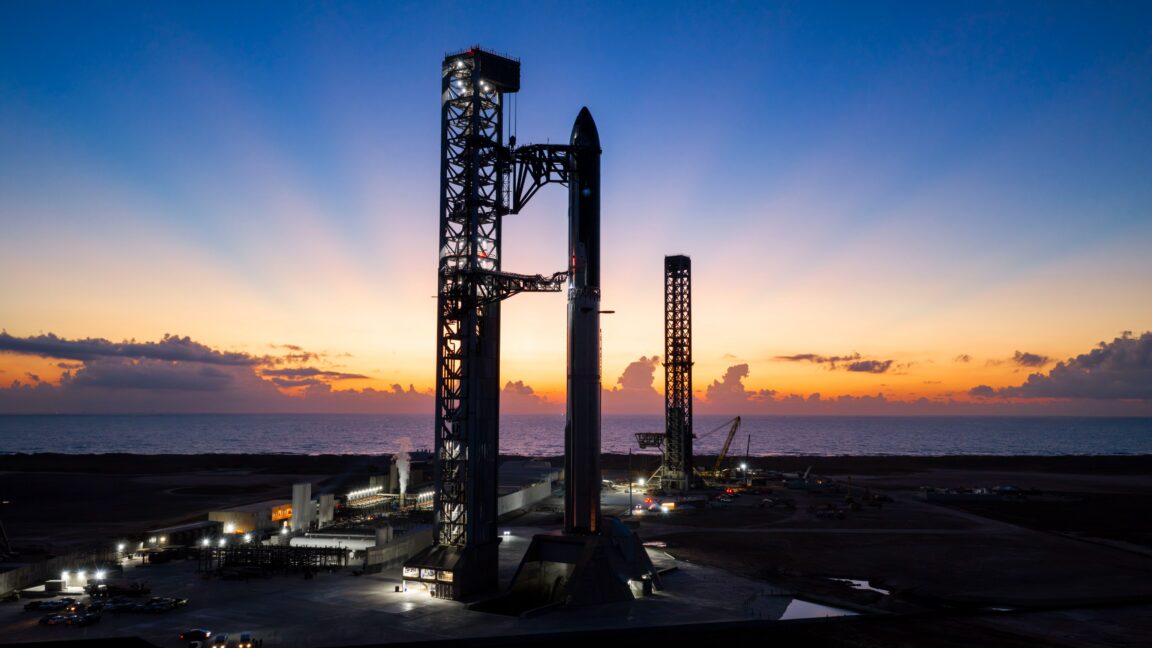 SpaceX lenders don’t want Elon Musk launching their collateral into space
arstechnica.com
Lenders backing SpaceX's $43 billion debt package attempted to bar Elon Musk from launching their collateral into space, the Financial Times reports. The collateral is a pool of advanced Nvidia chips, and SpaceX sold more than $30 billion of the debt on Thursday as part of the financing, dubbed Project Saturn. The largest portion is a $25 billion investment-grade bond backed by SpaceX's five-year lease payments for the chips.
Musk has outlined plans to power AI models using data centers cooled by the vacuum of space, which would require packing satellites with those same chips. Lenders were concerned that launching them would prevent creditors from reclaiming and selling the semiconductors in a default. SpaceX has stated that it plans to use the chips on Earth, in US data centers that are majority-owned, controlled and operated by the company.
The bonds were issued by a special purpose vehicle designed to keep the debt off SpaceX's balance sheet and preserve its investment-grade credit rating. The debt priced at 3.45 percentage points above US Treasuries — a yield of about 8.3 percent, against roughly 7.2 percent for SpaceX corporate debt maturing in 2031. The new bonds mature in 2032, but the principal is repaid in under four years, an arrangement designed to reduce credit risk for lenders. More than $19 billion was committed before Thursday's sale: Pimco put in $4 billion, Apollo and Goldman Sachs led the transaction, and funds managed by BlackRock, Goldman Sachs Asset Management and KKR made anchor commitments.
Moody's rated the debt A3 — one notch above SpaceX's own credit rating — and KBRA assigned it A-minus, crediting in part the "hell-or-high-water" clauses that prevent SpaceX from walking away from the lease. Whether the provision barring launch made it into the finalized documents is uncertain.