
Priciest Costco generators sell out after string of US tech outages
Mizuho counts 21 of 26 top models sold out online by Sunday night, Schneier blames the US economy rather than cyberattacks
Images
 ‘Apocalyptic fears’: String of technology failures triggers rush for emergency supplies in the United States
english.elpais.com
 ‘The technologies we rely on are built and maintained within our economic system – and that’s where the core problems lie.’ Photograph: Seth Wenig/AP
theguardian.com
 Bruce Schneier
theguardian.com
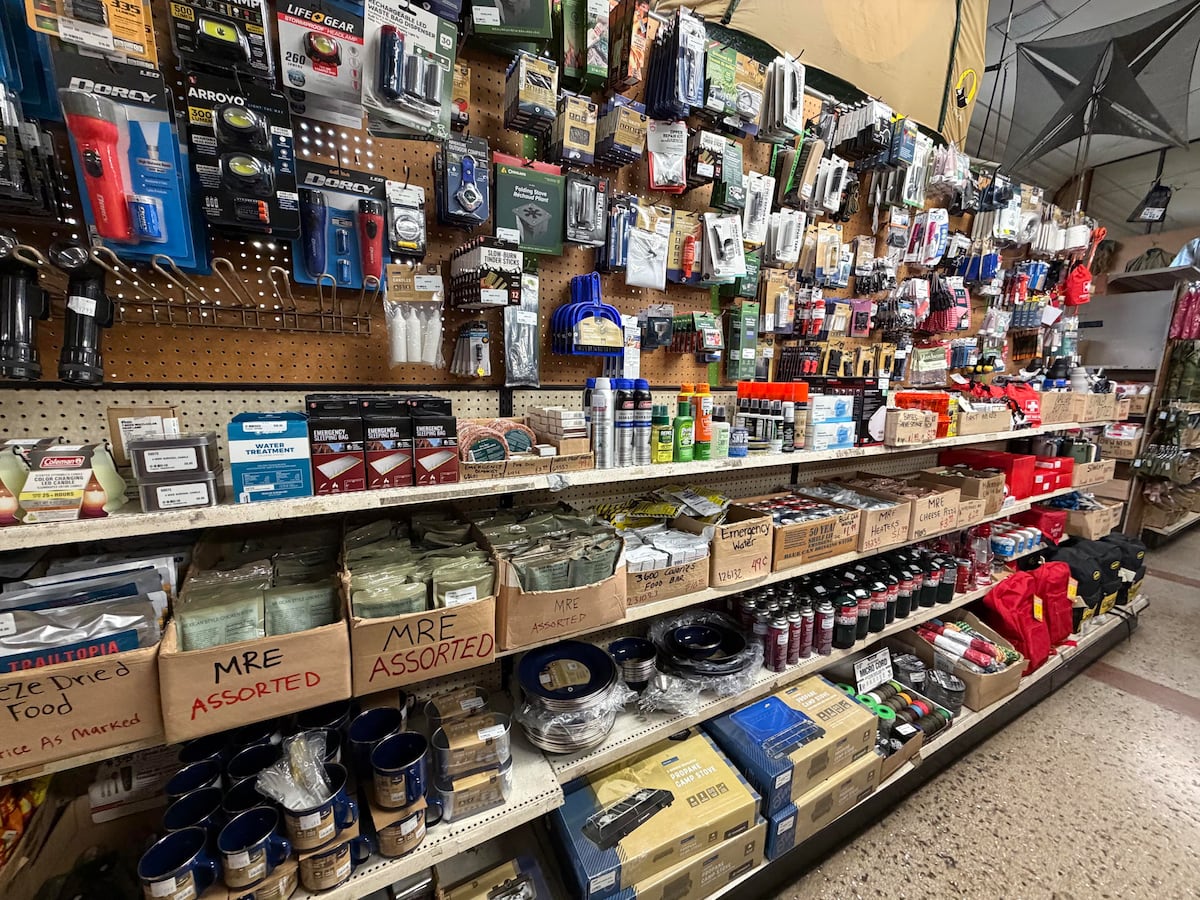
At the Surplus Store in Venice, a beachfront neighborhood of Los Angeles, sales of emergency kits — food, radios, batteries, water-purification tablets, even drinking water with a 50-year shelf life — have risen over the past week. "There are a lot of people who are worried," manager Jaime Naylor told El País. Unlike the surges that follow natural disasters, this one has nothing to do with nature. It is being driven by digital systems.
The sequence is by now familiar. Microsoft services went down in an incident the company attributed to flaws in a series of updates it had been developing for months. Flights across the United States were suspended for more than four hours; the government blamed equipment failure, not a cyberattack. United Airlines suffered a systems outage that delayed departures. Customers at some of the largest US banks reported temporary difficulties accessing their accounts. A highly classified communications network used by the National Security Agency went down temporarily. Around a November 17 test of FEMA's alert system, wrapped in misinformation, public concern kept building.
The fear now has a sales ledger. David Bellinger, an analyst at Mizuho, wrote in a report shared with El País that consumer anxiety after the Microsoft outage, the nationwide grounding and apocalyptic talk on social media had lifted sales of emergency-preparedness items at Costco — and that by Sunday night, 21 of the 26 highest-priced generators sold online by the retailer had sold out. Costco and Walmart, he wrote, had been seeing what retailers describe as "panic buying" since late October. Among the recommendations now circulating, from former CIA analyst Beth Sanner: keep cash on hand, memorize close relatives' phone numbers, agree in advance on a meeting place.
The diagnosis of the week comes from security technologist Bruce Schneier, writing in the Guardian. The incidents were unrelated to each other and, except possibly the NSA outage — whose details will probably never be known — not the work of attackers. Much of the computerized infrastructure is old, incrementally patched over decades; a surprising amount of it is maintained by hobbyists without pay; good backup systems are often absent; and growing centralization means single failures cascade across society. Security, safety, resilience, redundancy and recoverability are costs that generate no near-term profit, and companies can push the cost of failure onto society — stranded airline passengers, customers who cannot get at their money. The result is brittle systems with single points of failure. Upgrading them is a technical problem, Schneier writes, that will not be solved until the political and economic problems behind it are.
President Trump said the tech outages are "fine."
The government's account of the week is equipment failure, not enemies. In a Venice camping shop, customers are buying drinking water with a 50-year shelf life anyway.