
Three in four Michigan rivers fail fecal bacteria standards
State testing finds most tested waterways unsafe for swimming, leaky septic systems and farm manure feed the pollution while lawmakers decline to force repairs
Images
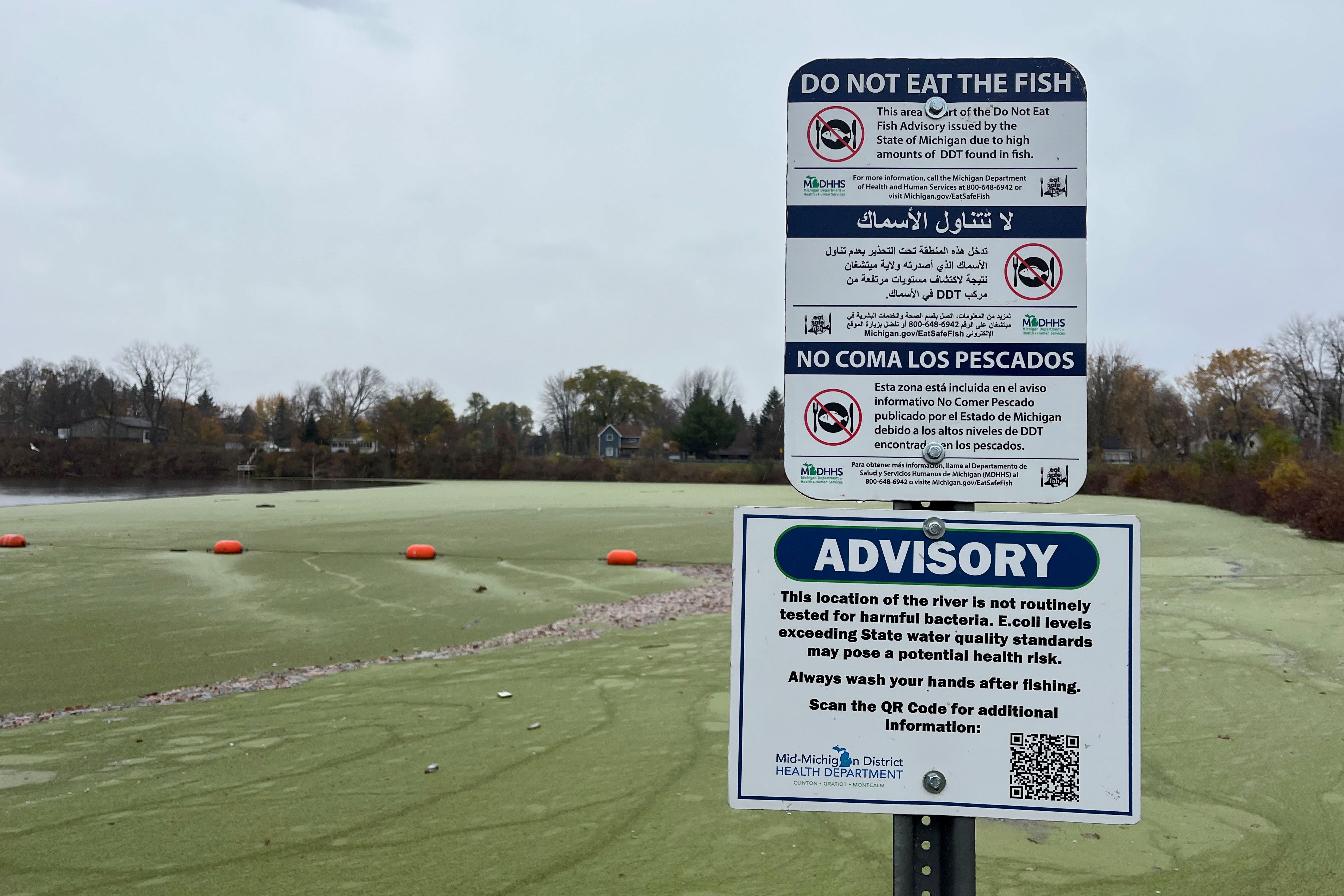 Michigan Rivers Pollution (AP)
independent.co.uk
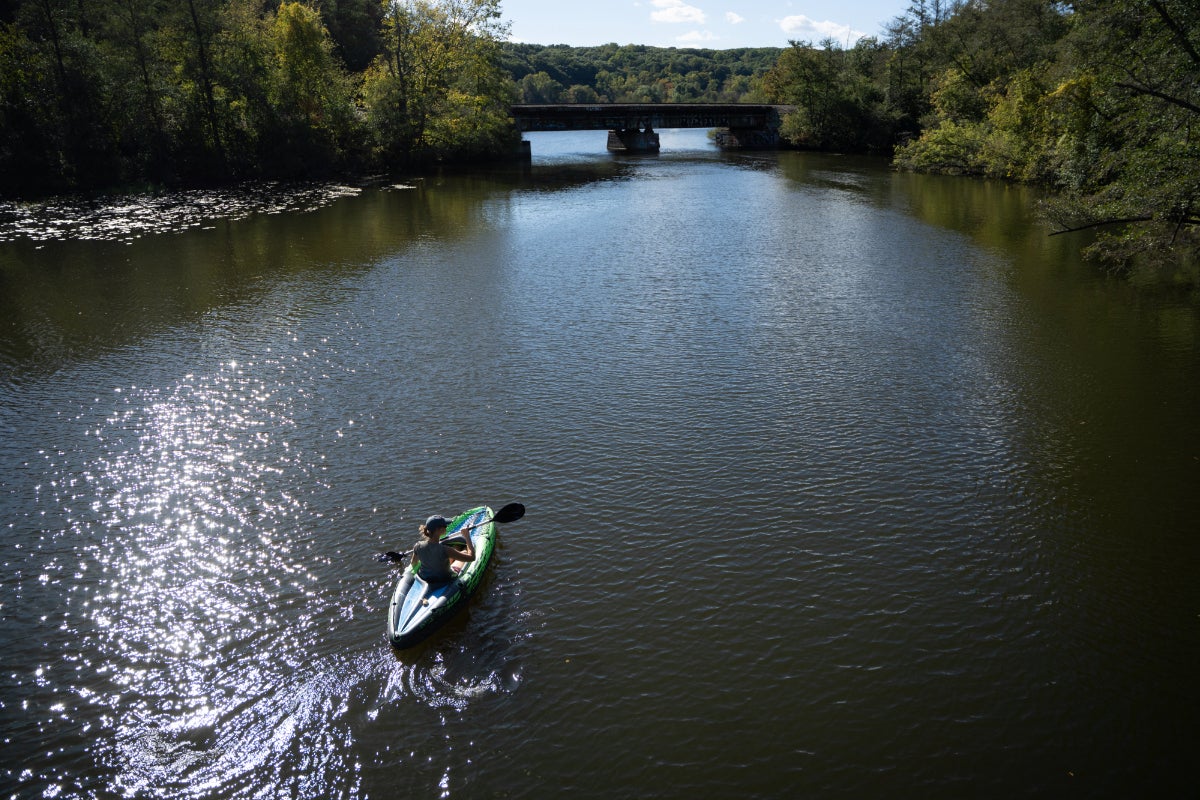 A kayaker paddles on the Huron River in Ann Arbor (AP)
independent.co.uk
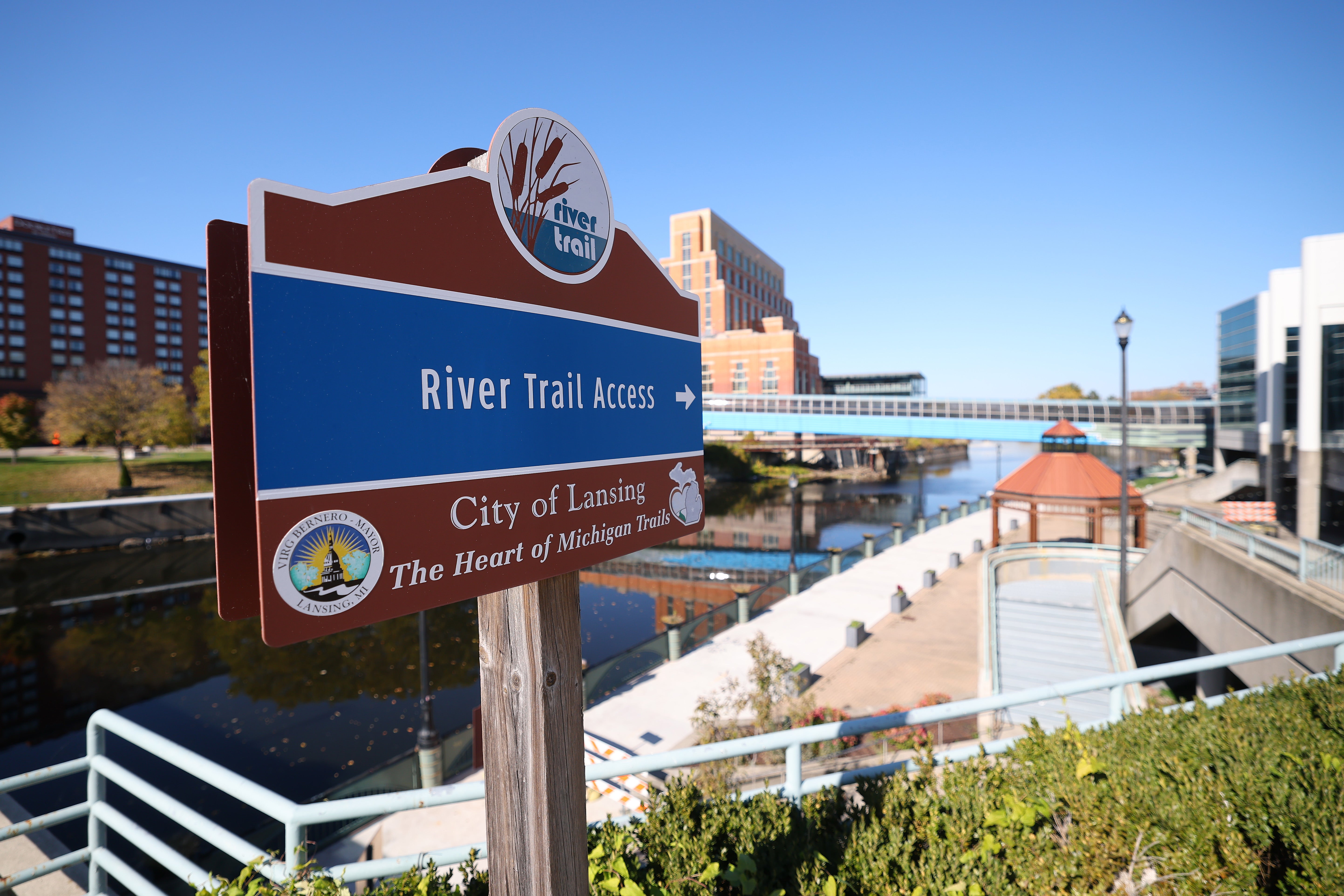 A view of the entrance to a section of the Lansing River Trail (Getty)
Getty
 Dog poop is among the many contributors to the growing rates of fecal matter in Michigan’s rivers (Getty Images/iStockphoto)
Getty Images/iStockphoto
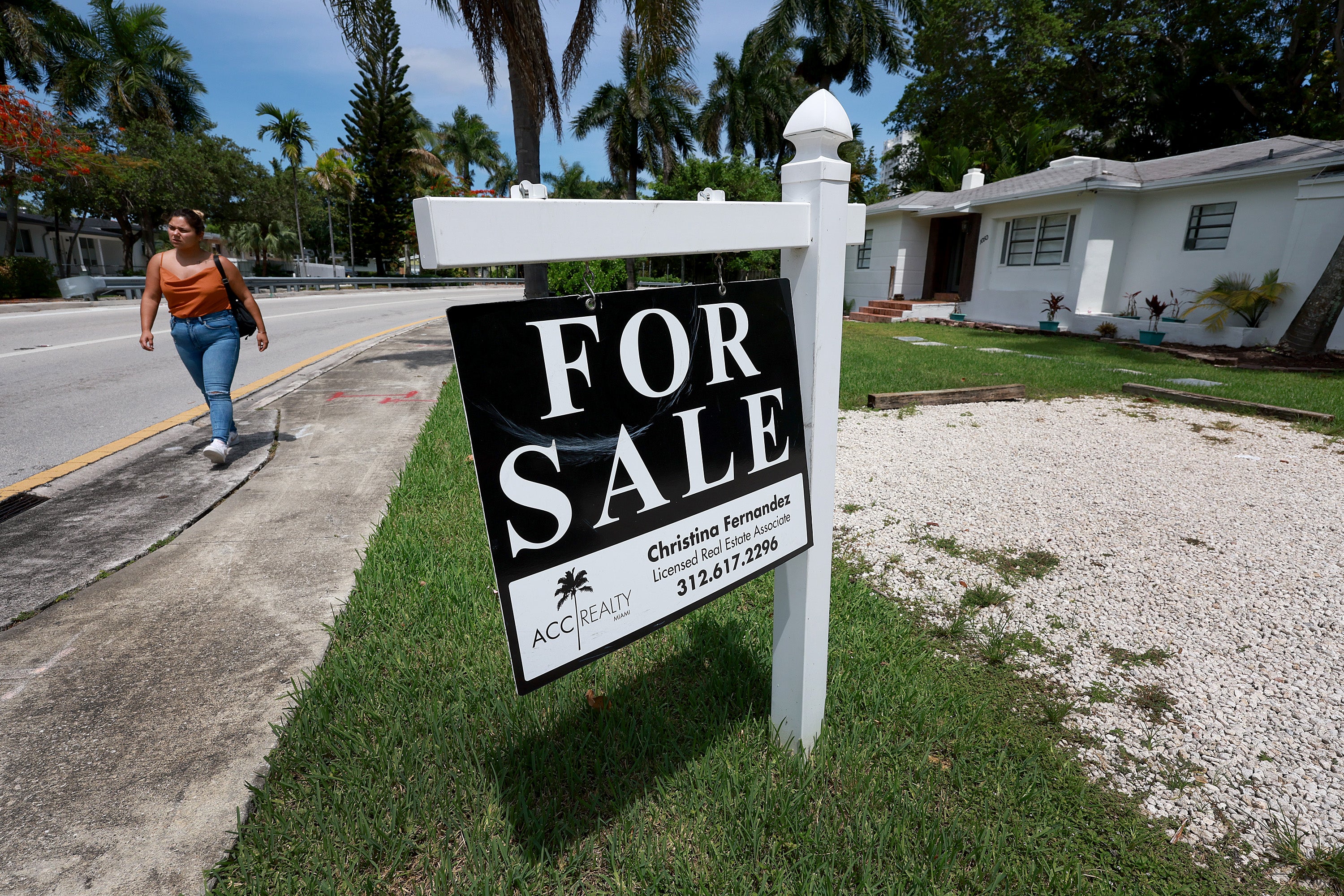 One Michigan-based study found waterborne E. coli outbreaks diminished home prices by an average of $13,000 when a sale coincided with an outbreak (Getty)
Getty
Roughly three in four of Michigan's 76,000 miles of rivers and streams carry so much fecal contamination that they fail water quality standards meant to protect swimmers and anglers, according to state estimates. Molly Rippke, who leads E. coli testing at the Michigan Department of Environment, Great Lakes and Energy, said results so far point to an estimated 75 percent of rivers and streams exceeding state limits. The state has tested about half of them. The vast majority of tested stretches exceeded levels deemed safe for swimming, and in more than half, E. coli is often too high even for partial-body contact like paddling or wading.
The contamination violates the Clean Water Act, which mandates pollution reduction, and it has worsened over years of legislative inaction. The sources are diffuse: manure runoff from large-scale farms and leaks from tens of thousands of home septic systems. Money is the perpetual obstacle — preventing cities from repairing leaky sewers and stopping lawmakers from requiring people to fix failing septic systems. The livestock industry, for its part, has sued to block enforcement of the manure pollution regulations that environmental groups already consider too lax.
The exposure is not theoretical. Bacteria, viruses and parasites in the water likely sicken thousands of swimmers, boaters and anglers each year, and dozens of Michigan beaches post bacteria-related closures or advisories every summer. The pollution spans the state, from small creeks to stretches of the Boardman and Pere Marquette in the north, the Tobacco in mid-Michigan, the Kalamazoo in the southwest and the Rouge in metro Detroit.
The Grand River, Michigan's longest, runs 252 miles from Hillsdale County past farm fields and the state Capitol before emptying into Lake Michigan. Rachel Cuschieri-Murray, executive director of the Eaton Conservation District, calls the river a "precious gift" — but of the stretch flowing past the Capitol: "You shouldn't even put your hands in... It's that dirty." Joan Rose, a Michigan State University microbiologist who has studied the pollution extensively, said: "Ultimately, a polluted environment is not going to allow for economic growth and it's not going to allow for health and wellness."
Republican and Democratic lawmakers agree the pollution is a problem; they disagree on solutions and on where it ranks among state priorities. Megan Tinsley, water policy director at the Michigan Environmental Council, said: "It's just wild to me that this would be OK... it seems to be OK with a great many of our decision-makers." Water quality fluctuates and most waterways are not routinely sampled, so the estimate does not mean the rivers are always polluted — though Rippke's own summary of the testing numbers was that they do not look pretty.
Meanwhile, taxpayers have invested billions in dredging contaminated sediment, restoring habitat and replacing derelict factories with waterfront parks along these same rivers. Lawmakers have yet to require homeowners to repair failing septic systems. The Grand River passes the state Capitol on its way to Lake Michigan.