
Fossil fuels scrubbed from COP31 draft deal in Turkey
Nine-page text drops the transition agreed in Dubai, countries still phasing out publish national roadmaps of their own
Images
 Cop31 live: Fossil fuels dumped from latest draft deal at climate summit
theguardian.com
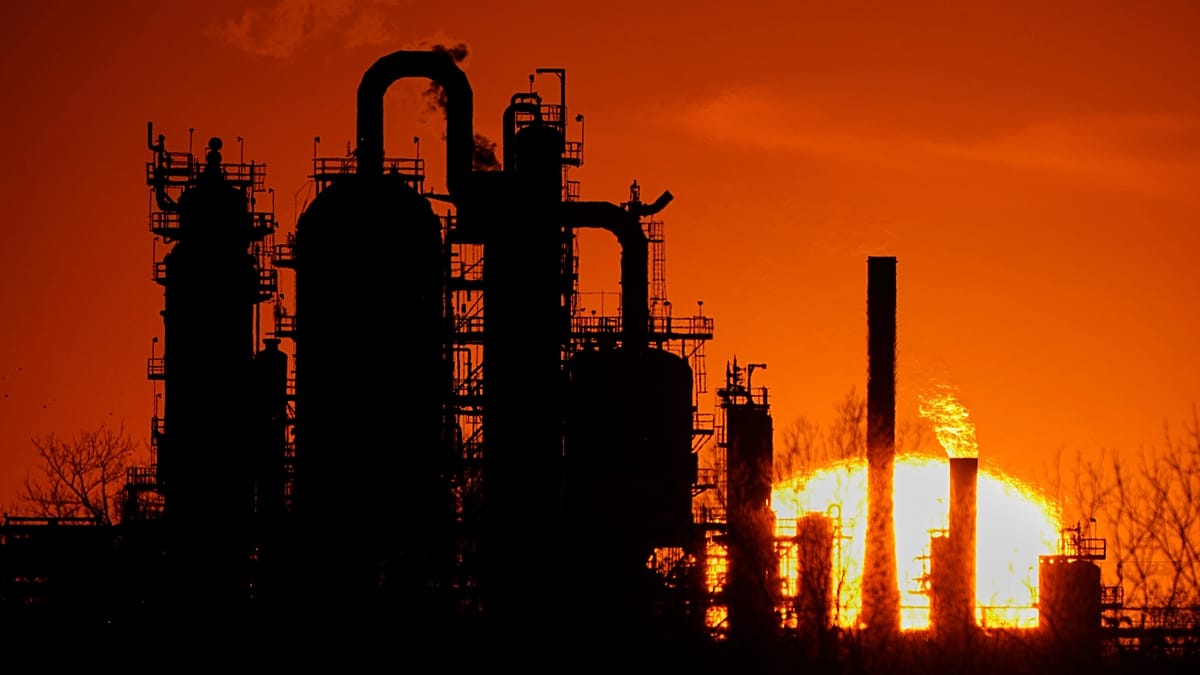 Fossil fuels scrubbed from COP31 draft deal despite growing momentum
euronews.com
Every mention of fossil fuels has been removed from the latest draft of the COP31 outcome text. The second draft, released by the Australian chair at 3pm Turkish time on Thursday, runs nine pages and 80 paragraphs — down from 18 pages and 144 items in the version published on Monday.
What vanished is the phrase "transition away from fossil fuels", agreed at COP28 in Dubai and fought for at this summit by vulnerable countries. It is not the first disappearance: at COP30 in Belém last year, the same language was erased from the final deal after resistance from fossil-fuel exporting countries. COP agreements require consensus from almost 200 parties, and the text converges on whatever costs least to sign. In place of a transition away from anything, the new draft twice promises a "transition towards low greenhouse gas emissions and climate-resilient development", with countries following "different pathways and solutions" according to their "national circumstances and development priorities" — wording under which an oil exporter concedes nothing.
The commitment to holding temperatures to 1.5C survives. So does host Türkiye's proposal that 35 percent of final energy demand be met by electricity by 2035, though it now sits as one voluntary option among many rather than a binding target. The draft retains a recognition of "best-available science" and a reference to the Intergovernmental Panel on Climate Change, itself a battleground at this summit.
The countries that still intend to phase out fossil fuels are increasingly doing so outside the document. Finland published a national roadmap on 11 November, following France, Germany and the Netherlands; Denmark, Portugal, Luxembourg and Spain announced their own plans on 17 November. Germany's environment state secretary Heike Henn said one can "always wish and fight" for the transition language in the cover decision, but "this is not for us the ultimate benchmark for success. The success is in doing, in a growing coalition." The governments bearing the costs are writing rules they intend to follow themselves; the consensus text serves those who will not.
Delegations have until 20 November to strike a final agreement, and analysts expect the talks to overrun. The draft does ask countries to resolve their differences over the IPCC, so its latest science can inform negotiations at COP33 — the summit after next.