
IEA calls Iran war the largest energy shock in history
Hormuz oil transit forecast to fall from 20 million barrels a day to under 2 million by 2035, Birol sees no credible way back to the energy world before the war
Images
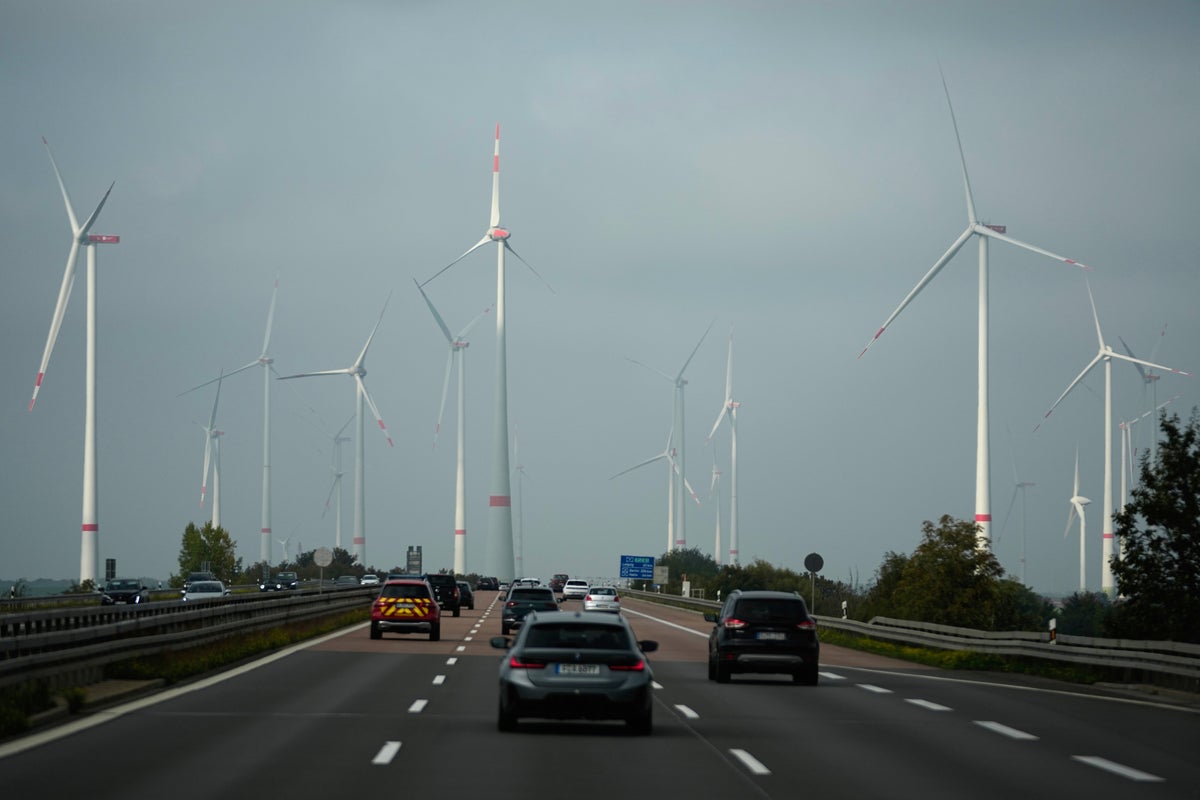 There is no going back 'to the way it was before' the Iran war's energy shock, IEA says
independent.co.uk
The International Energy Agency said on Thursday that the Iran war has produced the largest energy shock in history, and that the energy system that comes out of it will not resemble the one that went in. 'I don't see any credible pathway for the energy world to go back to the way it was before,' said Fatih Birol, the agency's executive director. The war cut off the Strait of Hormuz, the chokepoint through which roughly a fifth of the world's traded oil normally flows.
The agency's annual outlook, more than 560 pages long, projects oil transit through Hormuz falling from 20 million barrels a day before the war to 8.5 million by 2030, and under 2 million by 2035, as nations diversify their fuel supplies. The Middle East remains the world's largest oil exporter in its scenarios, but the trade reroutes around a strait the war closed.
The agency itself was founded in the aftermath of the last great oil shock, in 1973-74; in March it coordinated the emergency release of 400 million barrels of crude stocks to stabilise markets shaken by this one. It projects that energy-hungry nations will now prioritise the security and affordability of their electricity — with renewables, led by solar, and nuclear power the biggest beneficiaries as governments grow domestic supply, and coal the fallback in times of crisis across coal-rich Asia. Mohamed Adow of Power Shift Africa put the exposure plainly: it is crazy, he said, that a conflict thousands of miles away can send energy bills soaring at home.
The report landed in the second and final week of the UN climate talks in Turkey, after the UN had warned the world is dangerously close to missing its goal of limiting warming to 1.5 degrees. Dave Jones of the think tank Ember said governments are only beginning to grasp how much the energy crises will change over the long term.
In March, the agency coordinated an emergency release of 400 million barrels to calm markets. By 2035, it expects less oil to pass through Hormuz each month than that release contained.