
US threatens sanctions on ICJ judges ahead of Myanmar genocide ruling
Waltz warns Nobel laureate Navi Pillay that Washington is watching, same punishment already applied to the ICC over Netanyahu arrest warrants
Images
 Smoke plumes rise on Myanmar’s side of border as Rohingya refugees walk on the shore after crossing the Bangladesh-Myanmar border by boat. Photograph: Danish Siddiqui/Reuters
theguardian.com
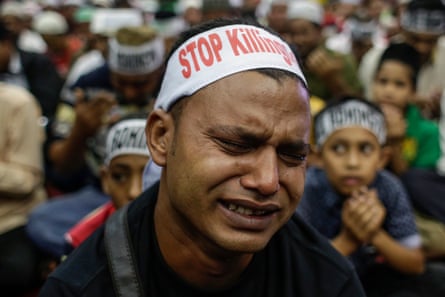 A man cries during a protest in Kuala Lumpur, Malaysia, condemning violence against Rohingya people in Rakhine state, Myanmar. Photograph: Fazry Ismail/EPA
theguardian.com
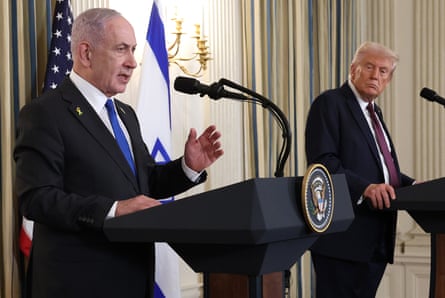 Donald Trump and Benjamin Netanyahu at a joint news conference in the White House last year. Photograph: Win McNamee/Getty Images
theguardian.com
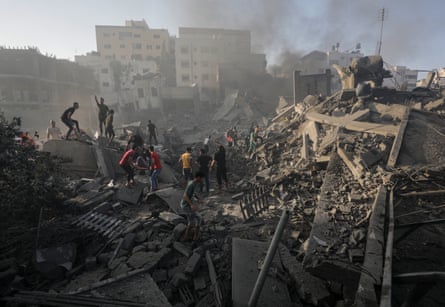 Palestinians search for bodies and survivors among the rubble in a destroyed area after Israeli airstrikes in Gaza City, in October 2023. Photograph: Mohammed Saber/EPA
theguardian.com
The International Court of Justice rules on Thursday on whether Myanmar committed genocide against the Rohingya. In advance of the verdict, the US ambassador to the UN, Mike Waltz, has sent warnings to the court's 15 judges and to Navi Pillay — the ad hoc judge appointed by the Gambia and this year's Nobel peace laureate: "We see your agenda and we'll be watching."
Judges at the court have taken advice on how to protect their assets from potential American sanctions, the Guardian reports. The Foundation for Defense of Democracies, a thinktank described as influential and close to the White House, predicts that a genocide ruling will bring the sanctions about. The method is not new. Washington has already sanctioned judges at the International Criminal Court after it issued arrest warrants for Benjamin Netanyahu, sanctioned the institution itself and described it as a rogue court.
What Washington and Jerusalem fear is the precedent, not the case. Lawyers for Rohingya survivors describe Myanmar's military killing people as they fled the 2016 and 2017 assaults on Rakhine state — a pattern, they argue, showing intent to destroy the group. A judgment that settles how genocidal intent is established makes a later judgment over Gaza more likely. Waltz has accused Pillay of tipping the scales and of intending to lower the threshold for proving genocide so it could later be used against American and allied soldiers "whenever they raise a finger against terrorists that hide behind civilians." Pillay, for her part, is required to sit as a jurist rather than the Gambia's advocate. Myanmar denies genocide and says its operations targeted an insurgent uprising.
The genocide convention, the treaty under which the Gambia brought the case, defines the crime as acts "committed with intent to destroy, in whole or in part" a national, ethnical, racial or religious group. Any judgment binds only as far as the Security Council enforces it — a council on which the United States holds a veto.
The court has never found a state responsible for genocide. In the run-up to Thursday, its judges have been arranging protection for their assets.