
EU prepares 22nd sanctions package against Russia
Own auditors find customs loopholes Moscow exploits, Greece, Malta and Cyprus oppose maritime sanctions citing their shipping industries
Images
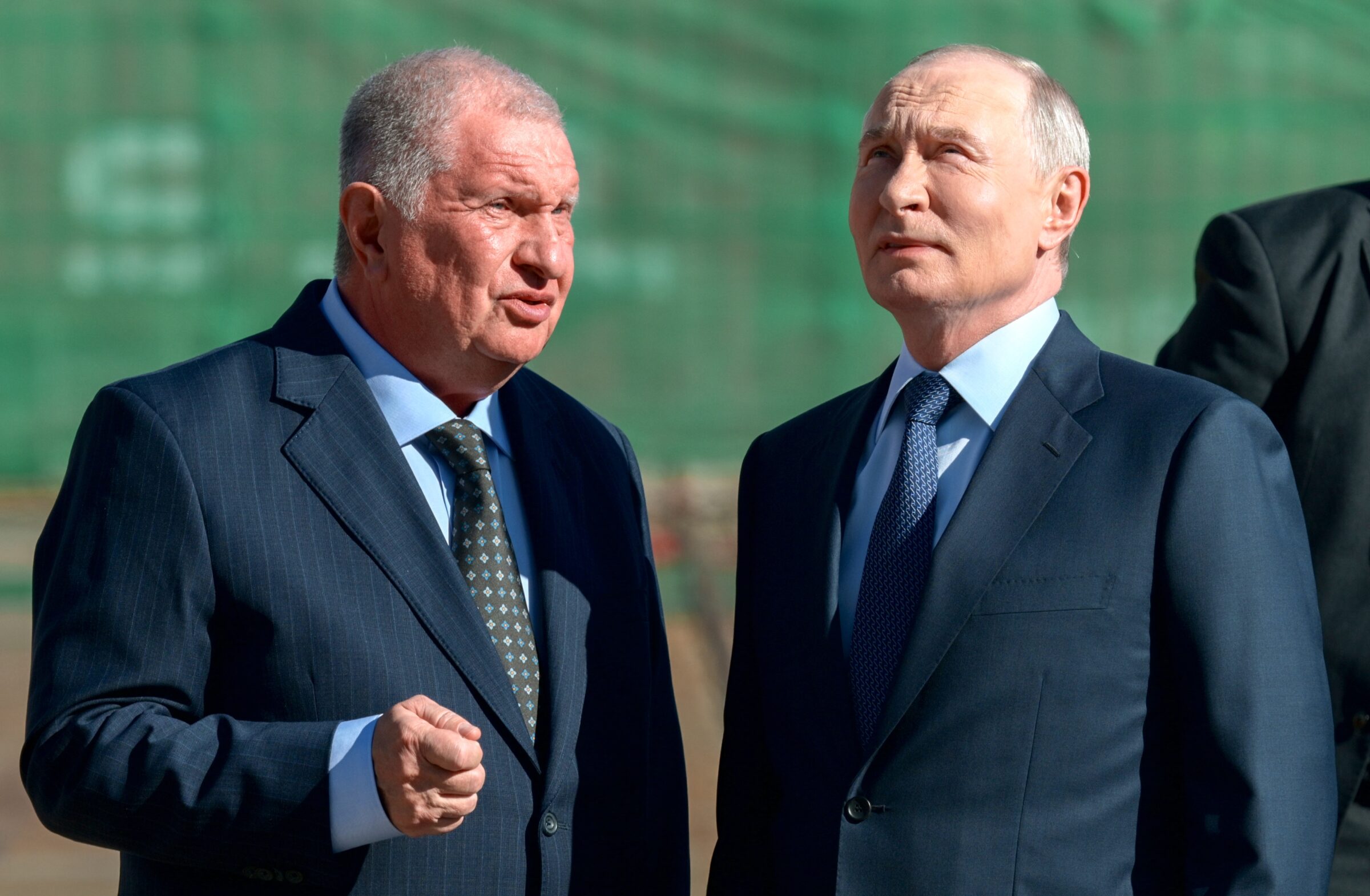 epa13206591 Russian President Vladimir Putin (R), accompanied by Rosneft CEO, Chairman of the Management Board and Deputy Chairman of the Board of Directors Igor Sechin, inspects the tanker 'Pyotr Stolypin' for the Arctic LNG 2 project at the Zvezda shipyard in the town of Bolshoy Kamen, Primorye Territory, Russia, 02 September 2026. EPA/ALEXEI DANICHEV / SPUTNIK / KREMLIN POOL MANDATORY CREDIT
euobserver.com
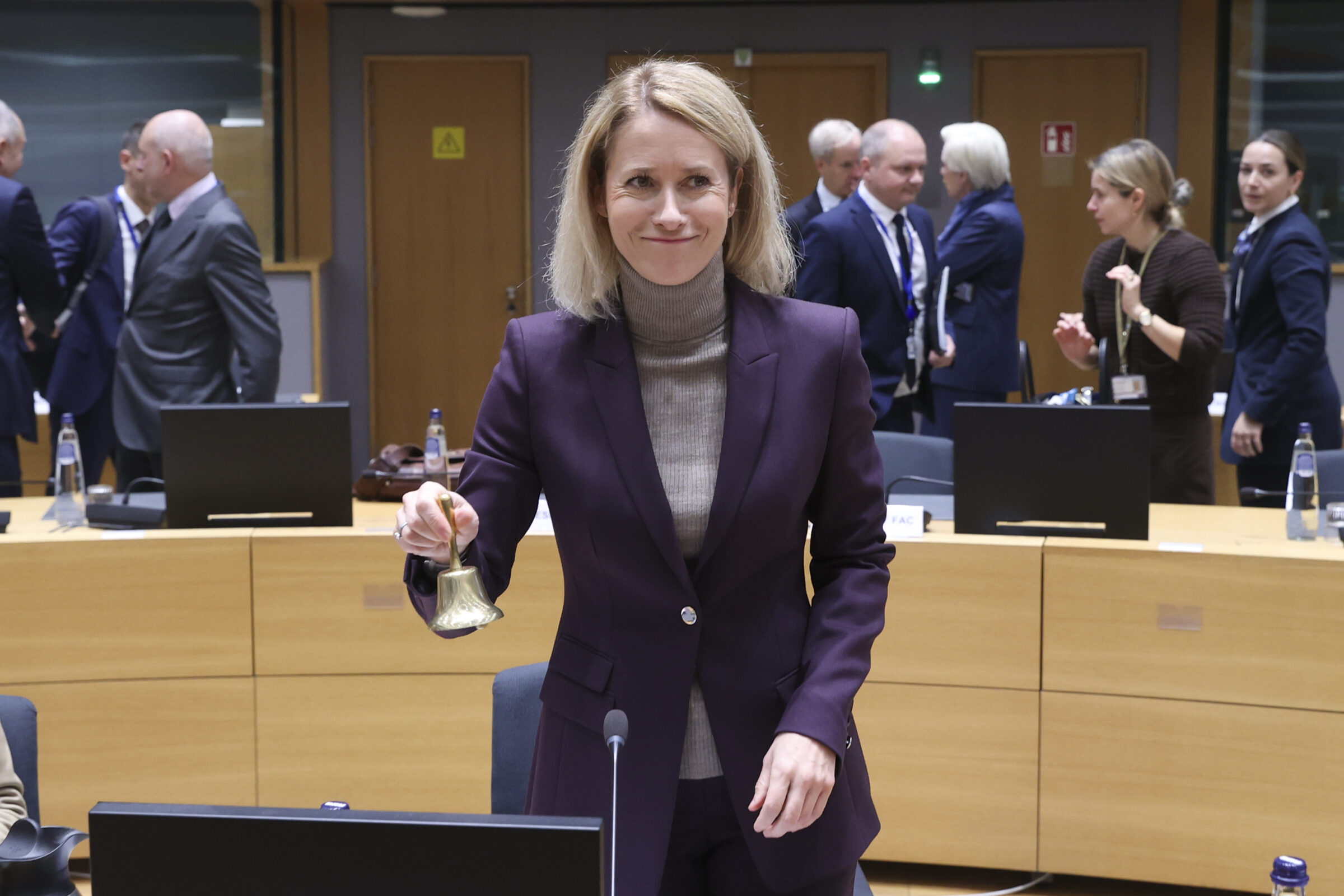 Europe’s mandate on Russia-Ukraine peace talks takes shape, as Putin escalates war
euobserver.com
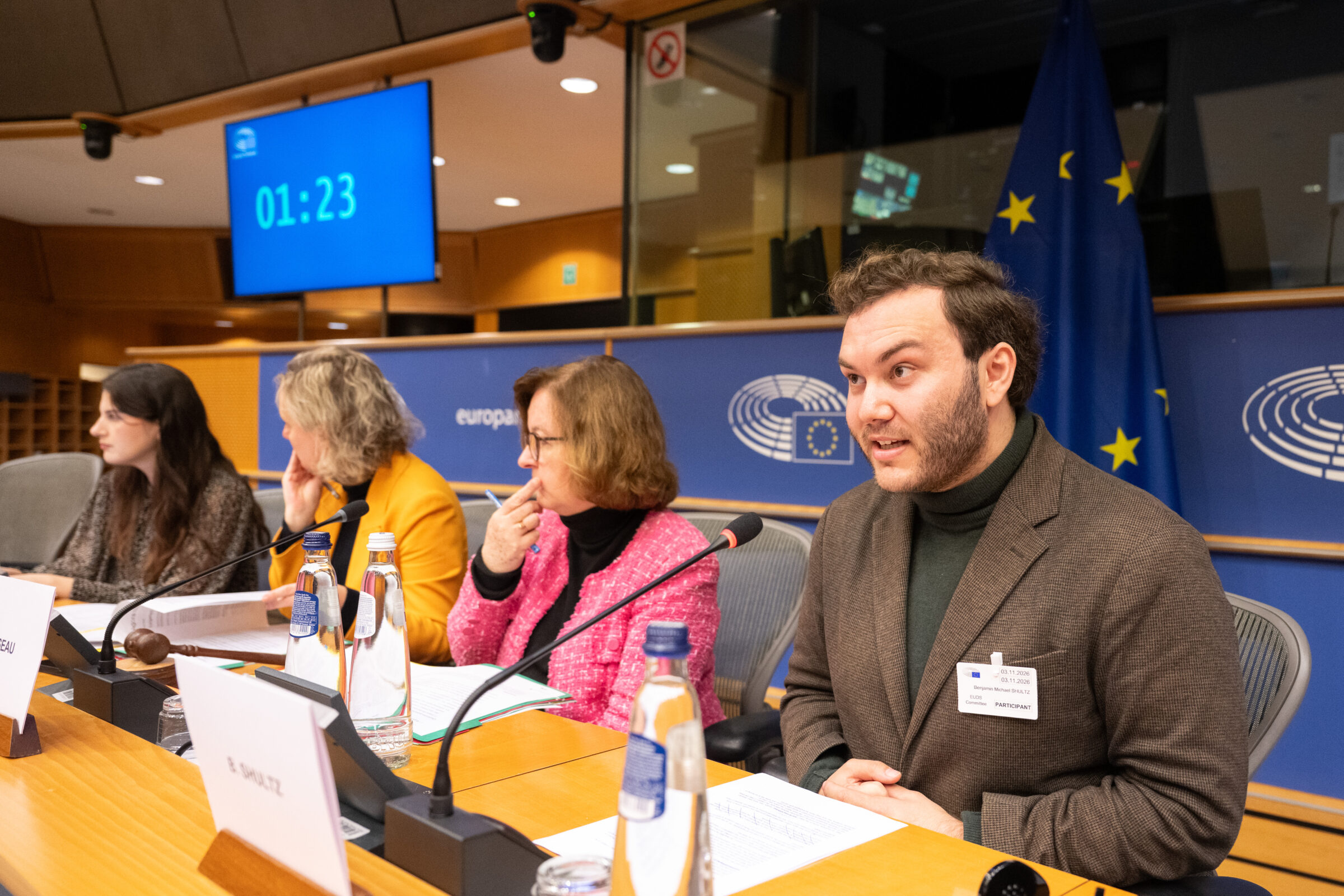 EUDS - Public hearing on ' Disinformation campaigns and their impact on democratic resilience ' exploring more specifically the case of women in public life
euobserver.com
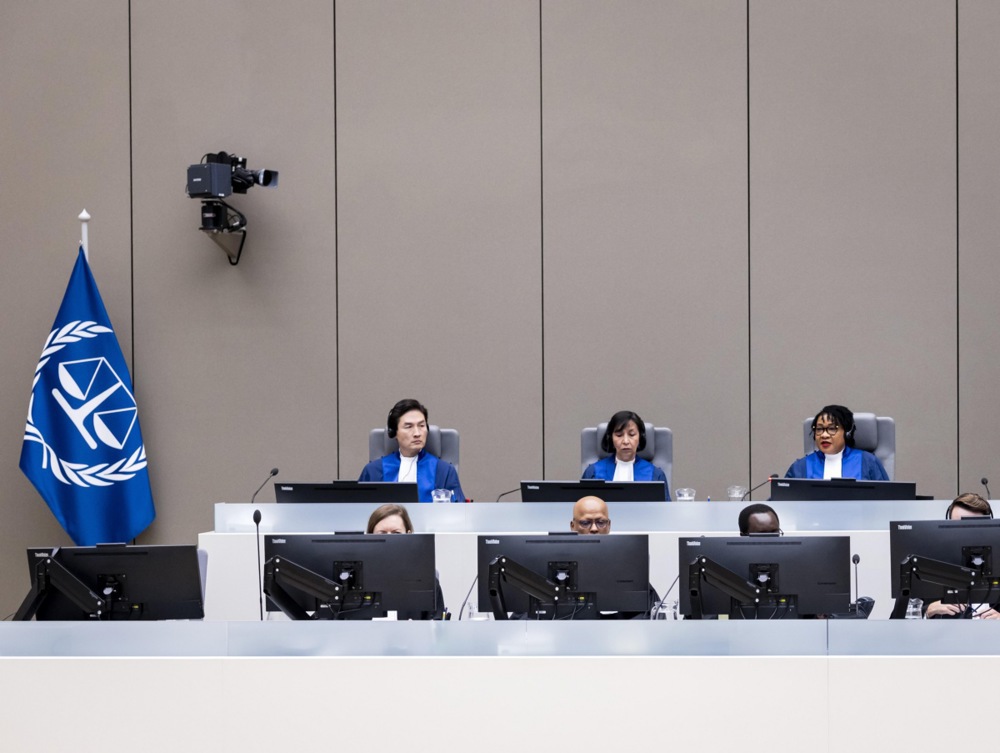 epa13257135 Presiding Judge Miatta Maria Samba (R) attends proceedings at the International Criminal Court (ICC) during a ruling in the case against Mahamat Said Abdel Kani in The Hague, the Netherlands, 23 September 2026. Said faces charges of war crimes and crimes against humanity allegedly committed in Bangui in 2013. EPA/REMKO DE WAAL / POOL
euobserver.com
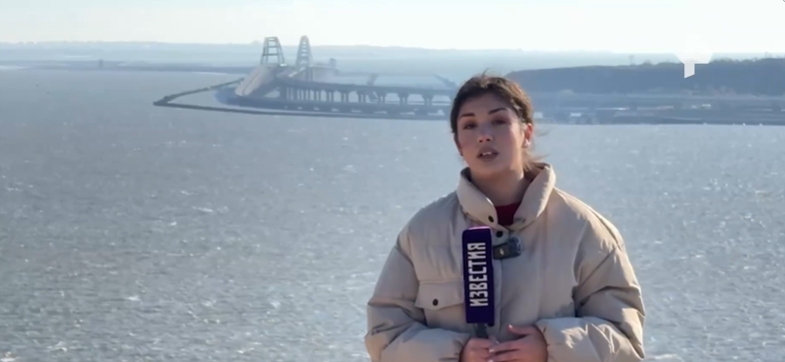 The Crimean Bridge after the attack, as seen in footage broadcast by Russian television.
euobserver.com
The EU is preparing its 22nd sanctions package against Russia, due before the end of the year and set to add more banks, crypto assets and shadow-fleet vessels to a blacklist that already holds more than 2,700 individuals and entities. It arrives weeks after the European Court of Auditors reported that sanctions are applied inconsistently across member-state customs authorities, creating loopholes that Russia exploits.
The record EUobserver's Briefed podcast works through this week starts with the numbers Brussels can point to: more than 200 billion euros in Russian assets frozen inside the EU, European imports of Russian goods down roughly three quarters since 2022, and Russian oil and gas almost entirely absent from European ports. The rest of the ledger is less tidy. Moscow can no longer buy many high-tech and dual-use products directly from European suppliers; it buys them through third countries, above all China, at a higher cost, the auditors found. Much of the energy Europe stopped importing has been resold to Asian buyers, though gas reroutes harder than oil, since moving it requires liquefaction terminals, specialised carriers or new pipelines.
Inside Russia, the Centre for Eastern Studies found no sign of the economic crisis the sanctions were designed to trigger. Oil and gas revenues still anchor the state budget. A defence industry expanded at speed now lifts measured GDP while supplying the front, and the fiscal weight of military spending has forced tax rises, including VAT, even as businesses outside the defence sector struggle and wages come under pressure.
Enforcement is where the mechanism frays. European companies continue to provide insurance, shipbroking and assistance to Russian vessels — the same shadow fleet the next package proposes to target. Greece, Malta and Cyprus have opposed EU sanctions on maritime services, each citing the importance of its own maritime industry.
The 22nd package will add more shadow-fleet ships to the list. The insurance and shipbroking that keep them sailing are still supplied from inside the EU.