
Iraqi army moves on Kataib Hezbollah stronghold
Prime minister orders reclamation of Jurf al-Sakhr after oil-theft findings and 903-day hostage account, militia keeps its border crossings with Iran
Images
 Former hostage reveals she was held in Iran-backed militia stronghold Iraq now seeks to reclaim
foxnews.com
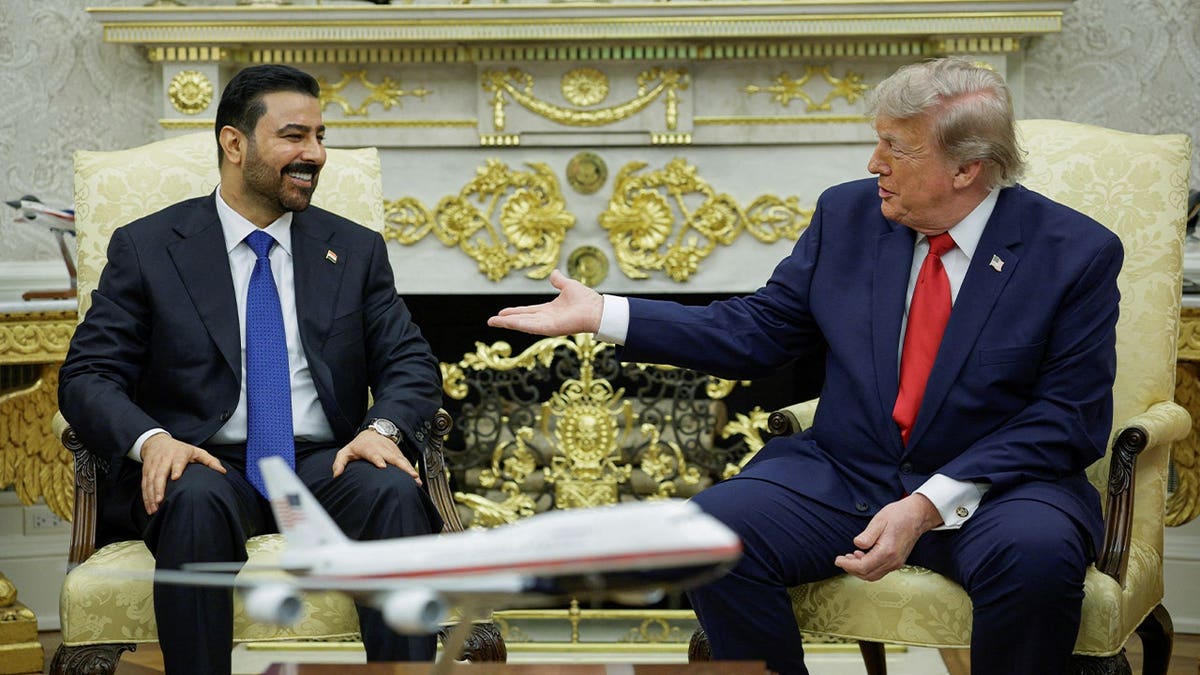 Trump and Iraqi PM
foxnews.com
 Elizabeth Tsurkov, an Israeli-Russian researcher held hostag
foxnews.com
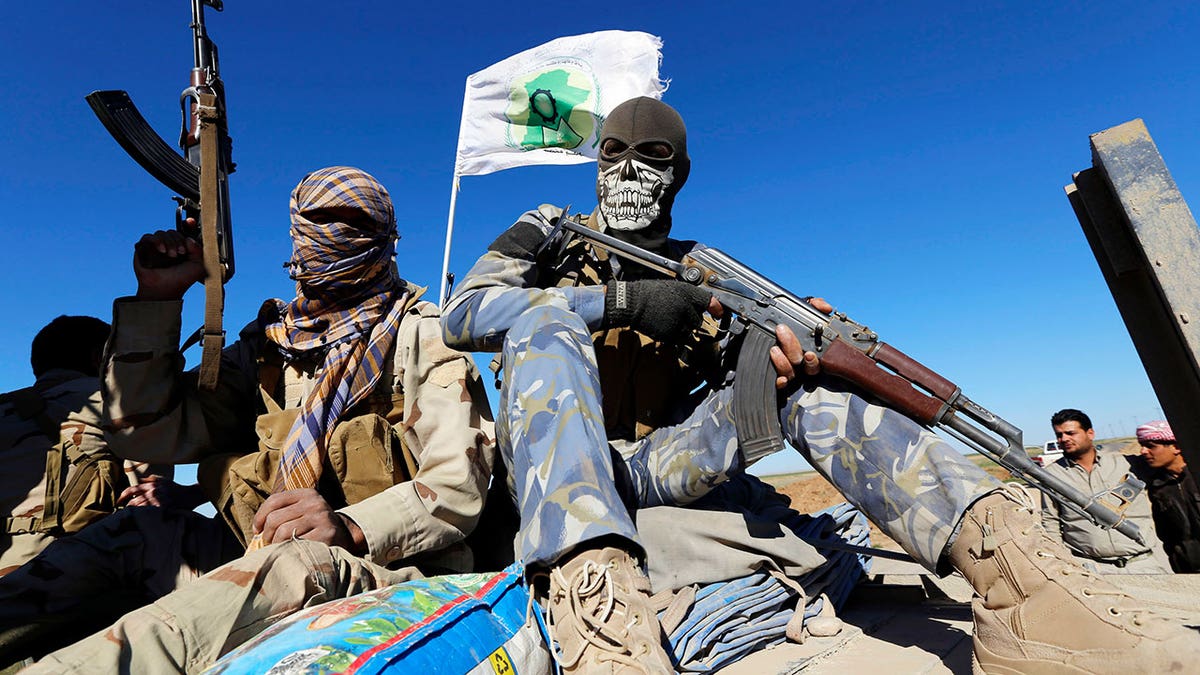 Iran backed militants in Iraq
foxnews.com
 Mourners of Shi'ite group Kata'ib Hezbollah carry the coffin of a fighter
foxnews.com
Iraqi Prime Minister Ali al-Zaidi has ordered the armed forces to reclaim Jurf al-Sakhr, the district south of Baghdad that Kataib Hezbollah has controlled since 2014 and that has been effectively closed to the Iraqi government ever since. AFP reports that Baghdad has given the militia until Friday to withdraw, citing a security source.
The district's reputation was sealed long before this operation. Elizabeth Tsurkov, an Israeli-Russian researcher abducted in Baghdad in March 2023 and held for 903 days, spent the first four and a half months of her captivity in Jurf al-Sakhr — in a private family home that the militia had converted into a prison. She was freed in September 2025 after negotiations and sustained pressure from the Trump administration, which has since blocked cash payments to Baghdad and warned Iraq over Iranian proxies. Trump and al-Zaidi met in the Oval Office in July.
The immediate trigger appears to be money rather than hostages. A Reuters investigation published Monday cited Iraqi officials accusing Kataib Hezbollah of stealing hundreds of millions of dollars in state-owned oil since 2021; the government has dismissed nine security and administrative officials and referred suspects to the judiciary. The militia denies wrongdoing. The operation is being presented as an anti-corruption campaign rather than an attempt to dismantle the militia's military infrastructure — and that distinction matters. Tsurkov notes that Kataib Hezbollah retains bases elsewhere in Iraq and access to border crossings with Iran, through which it can replenish weapons even if it loses Jurf al-Sakhr.
The district's history explains why Baghdad is framing this carefully. Iran-backed militias helped drive ISIS from the area in 2014, then prevented its predominantly Sunni population from returning; Tsurkov estimates between 120,000 and 180,000 people were displaced from the district and surrounding communities. She has called on Iraqi authorities to search Jurf al-Sakhr and neighbouring towns for secret prisons, mass burial sites and weapons depots, and to return confiscated homes to their owners.
The war between the United States and Iran is accomplishing what two decades of American statecraft in Iraq did not: turning Iran's militia network into a liability its host state can no longer afford. The test is enforcement. Previous Iraqi operations against Kataib Hezbollah have a record of ending in negotiated drawdowns, and the militia still holds the crossings through which it re-arms.