
Puglia farmers replace Xylella-killed olive groves with avocados
Hass Bacon and Fuerte varieties take root around Lecce, potential EU production losses reach 7.1 billion euro
Images
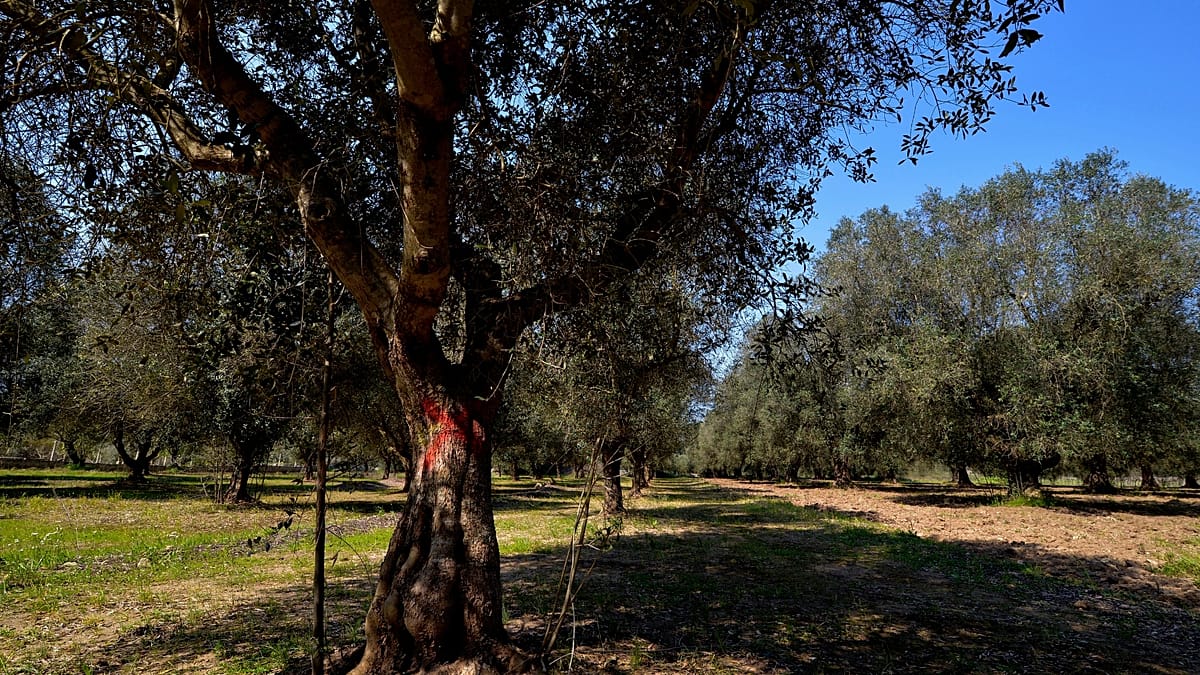 Salento turns from olives to avocados as Xylella threat spreads in Europe
euronews.com
Farmers in Salento are pulling out olive trees killed by Xylella fastidiosa and planting avocados in their place. Varieties Hass, Bacon and Fuerte are now under cultivation between Calimera and Vernole in the province of Lecce, with harvest in full swing since mid-November, Euronews reports.
The bacterium was first detected in the European Union in October 2013, in Apulia, and it has since transformed vast stretches of the region's agricultural landscape. Xylella colonises the xylem — the tissue through which water and nutrients move in plants — and in olive trees it causes rapid dieback and, at worst, death. There is no salvage value in a dead olive grove, and the margins on subsidized nostalgia do not survive contact with a pathogen. Europe's avocado demand, meanwhile, has so far been met almost entirely by imports from Latin America and Africa. The Tommasi farm planted its first avocado trees in 2017. Almost a decade on, each tree produces between 70 and 100 fruits, an estimated yield of around 10 quintals per hectare, and another 700 trees went into the ground last April. The crop is not without costs: avocado trees are thirsty precisely during the hottest months, in a region already struggling with drought and stressed aquifers. The threat is spreading faster than the response. In 2026, seven olive trees tested positive for the Xylella subspecies pauca near Taurianova in Calabria — the region's first outbreak — while the multiplex subspecies turned up on an almond tree near Matera in Basilicata. The bacterium has also been detected in France, Spain and Portugal, and the European Food Safety Authority's 2025 update of its host plant database recorded Xylella in 727 plant species. A Joint Research Centre assessment published in November 2025, together with EFSA, put potential annual production losses in a large-scale spread scenario at 7.1 billion euro, with more than 540,000 jobs at risk. Emergency eradication measures are now in place in both Calabria and Basilicata. In Salento, the replanting has already begun.