
Mexican authorities dismantle cartel crypto-mining farms in Puebla and Sinaloa
Second clandestine facility found in Tlaola within three months, rigs drew unmetered power from the federal grid
Images
 From rural Puebla to Sinaloa: Mexico’s cartels tap into the cryptocurrency boom
english.elpais.com
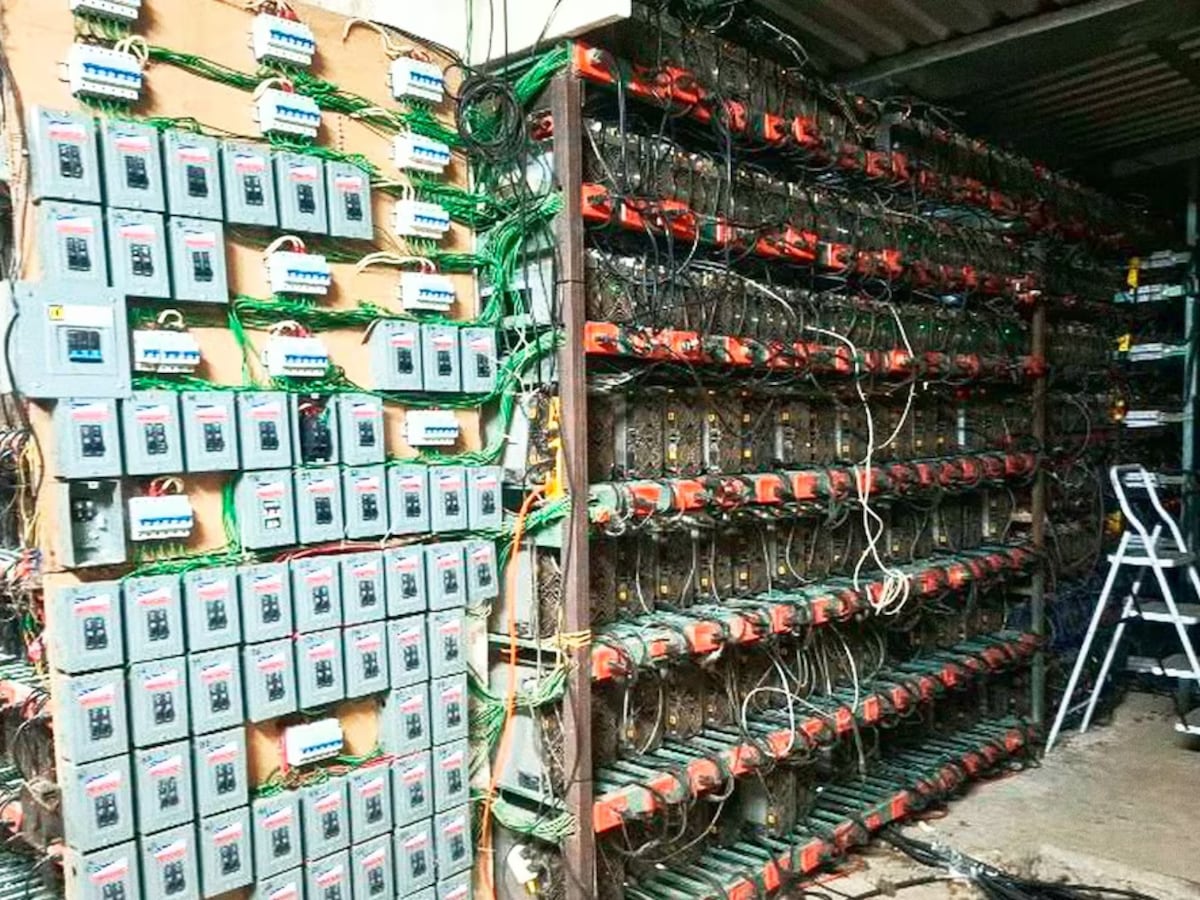
Mexican federal authorities last week seized more than 100 graphics cards, 50 state-of-the-art computers and an industrial-grade electrical transformer at an isolated property in Tlaola, in the state of Puebla — a clandestine cryptocurrency farm that state officials link to the Jalisco New Generation Cartel. Drones located the site, known as La Gallera, after detecting what authorities called "unusual" thermal radiation; the Navy Ministry and the Public Security Secretariat carried out the raid and arrested a guard.
The farm was connected to the grid of the Federal Electricity Commission without electricity meters. It was the second clandestine mining center dismantled in the municipality in under three months: in September, authorities uncovered another at a site called El Beneficio, with 300 specialized computers, 80 medium-voltage terminals and eight satellite antennas. In the same week, state police in Culiacán, Sinaloa — more than 1,400 kilometers away — seized 130 computers, three transformers and a video-surveillance system from a similar operation. Illegal mining centers have also been dismantled in Tlaxcala since last year.
Cryptocurrency mining is legal in Mexico; the secrecy around the facilities and the stolen electricity are what mark them as criminal. "We believe there are more cryptocurrency farms in this area, and we are pursuing a line of investigation in this municipality and in neighboring municipalities," Puebla's public security secretary, Francisco Sánchez González, told local media.
A cryptocurrency operator who spoke to El País on condition of anonymity put the largest upfront expense at the equipment, as much as $20,000 per unit, and described mining income as variable: "you may get nothing for some hours and then receive several rewards." The next step in such investigations, the operator said, is identifying the wallets behind the farms — the key measure for determining whether money laundering is taking place. The hardware can be seized; what it has already earned cannot. "Yes, they stopped the operation, but they haven't taken away all the income it already generated, and there's no real way to trace that revenue," the operator said. "On the other hand, the people running these centers may now be able to pay with a clean bitcoin."