
New York disbands elite NYPD protest unit
Strategic Response Group folds into counterterrorism command as civilian division takes over, bans on kettling and tear gas follow a year when unit appeared at six percent of city protests
Images
 NYC ICE official rips Mamdani, sanctuary laws after tense street arrests
foxnews.com
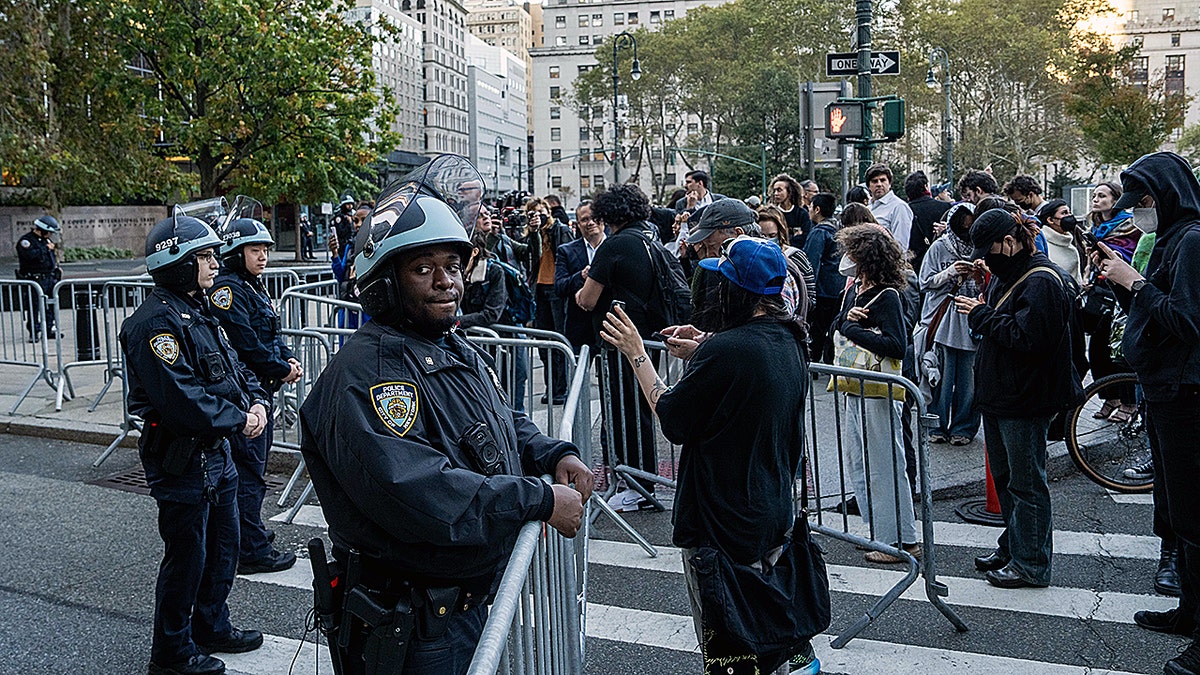 ICE in New York City
foxnews.com
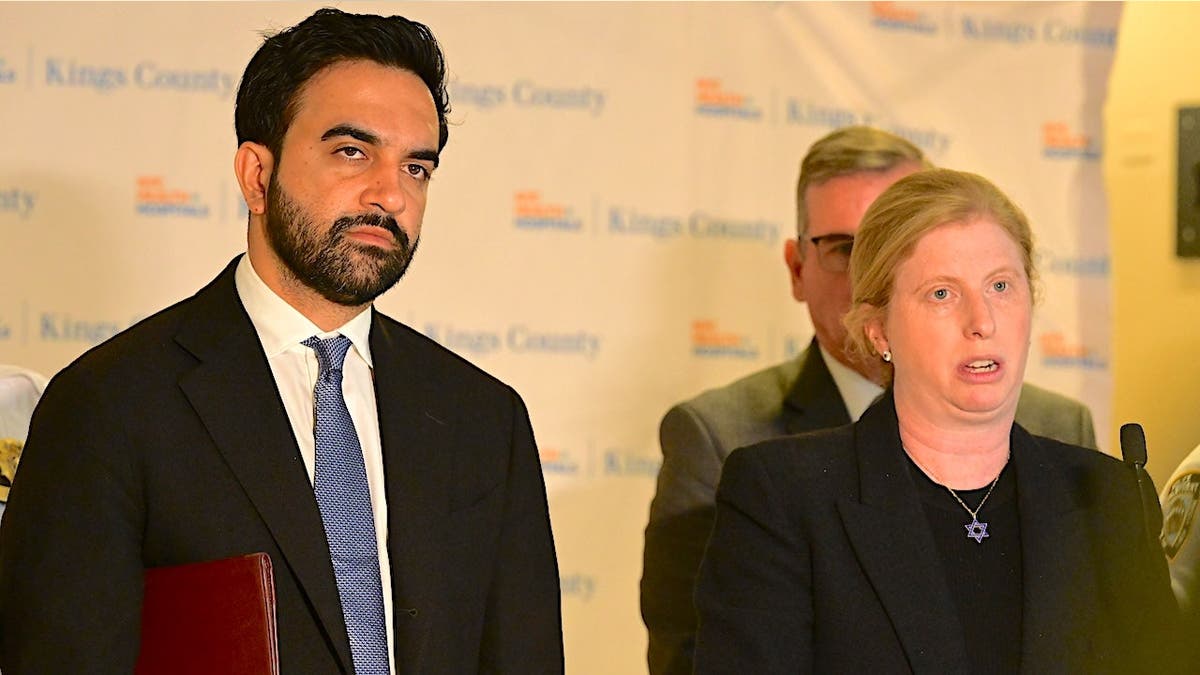 New York City Mayor Zohran Mamdani and NYPD Commissioner Jessica Tisch at a news conference
foxnews.com
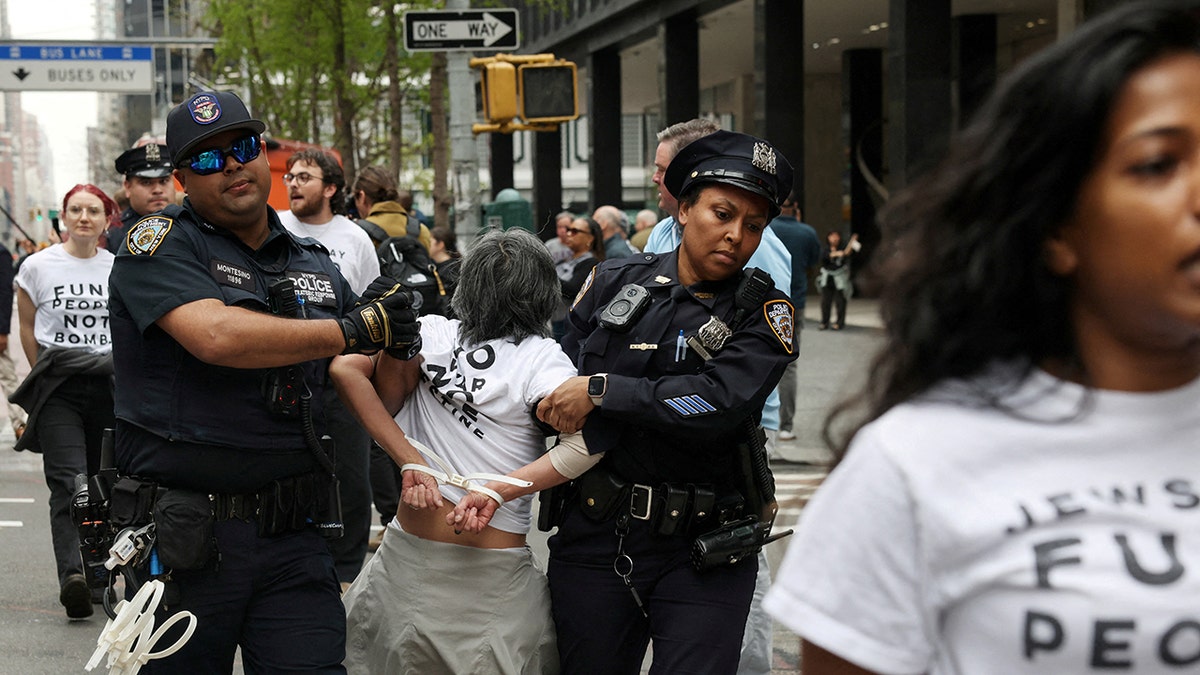 NYPD officers detaining a person on a city street while other officers stand nearby.
foxnews.com
New York City will disband the NYPD's Strategic Response Group and hand protest response to a civilian-led division with no weapons and no arrest powers, Mayor Zohran Mamdani announced Monday alongside Police Commissioner Jessica Tisch.
The move makes good on a campaign promise: Mamdani said during his run that New Yorkers exercising their constitutional right to protest should not be met with the same police response as a terrorism threat. The SRG's counterterrorism functions will be folded into an existing command, separating, as Mamdani promised, the machinery built for terror from the machinery aimed at demonstrations.
The new structure is layered. A Community Dialogue and De-escalation Division inside the Mayor's Office of Community Safety will lead protest response, working through a First Amendment Support Team — thirty uniformed officers trained in communication and de-escalation, named FAST. Within the NYPD itself, a new Patrol Support Division will handle crowd management with vetted officers who spend most of their time on ordinary patrol duties. The reforms also codify bans on kettling, long guns, and tear gas at protests; pepper spray is barred as a crowd management tool, and long-range acoustic devices are capped at 90 decibels.
The NYPD's own numbers explain why the unit became a political target. In 2025 the department facilitated 4,255 protests, and the SRG was present at roughly 245 of them — about six percent, by Tisch's own count at a March budget hearing. The unit was designed as a rapid-mobilization asset for citywide disorders, shootings, bank robberies and major events; it was described by the department as a critical asset during parades and the papal visit. A police force built for terrorism ended up deployed against demonstrators, and each deployment was filmed.
Commissioner Tisch noted that the SRG was generally only sent to protests involving criminal activity, not peaceful ones. That distinction did not save the unit — once a specialized, heavily equipped force exists, its use is limited only by what commanders believe they can justify, and the cameras keep score. Disbanding it removes the option rather than regulating it.
The announcement came at a Sunday morning press conference held after a spate of weekend shootings in Brooklyn — a reminder of where the department's everyday demand lies. What happens at the next large demonstration will now be decided by thirty officers trained to talk, and by whether a federal Justice Department inclined to sue cities over their politics lets the reform stand.