
Five EU states announce Rwanda return hub for rejected asylum seekers
Denmark Austria Germany Netherlands and Greece to launch first facility outside the bloc, Rwanda gets paid for capacity regardless of how many migrants ever reach home
Images
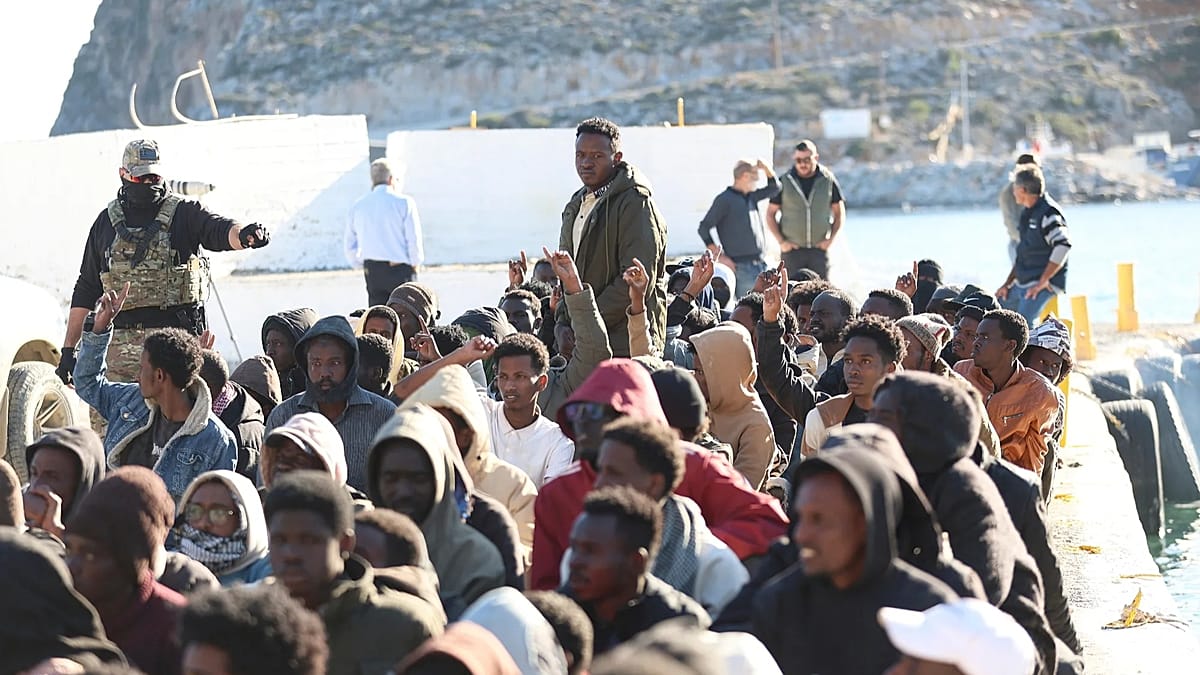 First-ever EU return hub for migrants to be announced in Rwanda
euronews.com
Denmark, Austria, Germany, the Netherlands and Greece will announce on Monday in Vienna an agreement with Rwanda's government to host the first EU return hub outside the bloc. Interior and migration ministers from the five countries are meeting Rwanda's Interior Minister Vincent Biruta, with Austrian Chancellor Christian Stocker and Danish Prime Minister Mette Frederiksen scheduled to present the deal in the afternoon. The pilot facility would house a few hundred people deported from the five states and could start operating in spring or summer 2027.
The design differs from the UK's Rwanda scheme in one respect: it targets people whose asylum claims have already been rejected, not new applicants. The failed British programme, ruled unlawful by the UK Supreme Court in 2023 over risks of human rights abuses, cost around £700 million without deporting a single person. The EU version is structured as open facilities where migrants receive residence permits and can move freely around Rwanda, with the stated aim of integrating them into local society and the labour market. There is no time limit on stays — the hub is, in principle, temporary accommodation for people awaiting deportation to their countries of origin, but nothing obliges that deportation to happen. People could remain in Rwanda indefinitely.
The legal scaffolding around the project is already straining. EU law permits return hubs only in countries that respect international human rights standards, and the UN has a questionable record to cite on Rwanda. UNHCR and IOM are named as partners, but neither is directly involved in the negotiations, and IOM says its support requires a formal request and adequate safeguards — meaning both organisations could walk if conditions disappoint. Frontex could be brought in for deportations once the European Parliament approves the proposed expansion of its mandate. The European Court of Human Rights prohibits transfers to situations where fundamental rights may be violated, and Eleonora Celoria of the Italian migration-law association Asgi warns that migrants may be subjected to torture and inhuman or degrading treatment under the system.
The five governments insist the project will comply fully with EU law and international obligations. The financial arrangement is the quiet headline: the five states bear the entire cost of deportations and accommodation in Rwanda, whether or not anyone ever boards a flight home.