
World's top court to rule whether Myanmar committed genocide against Rohingya
Gambia's seven-year case could yield first state genocide finding, ASEAN's answer is an extended summit ban
Images
 Rohingya refugees in Cox’s Bazar, Bangladesh mark the ninth anniversary of their exodus from Myanmar at a genocide remembrance day in August 2026. Photograph: Anadolu/Getty Images
theguardian.com
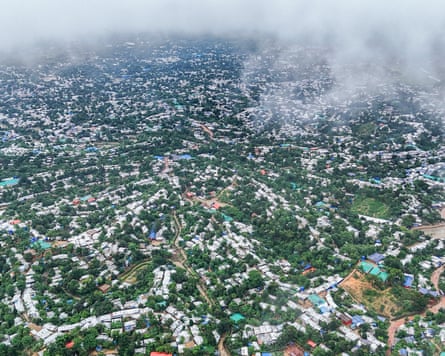 The Kutupalong Rohingya refugee camp in Cox’s Bazar, Bangladesh. Photograph: Munir Uz Zaman/AFP/Getty Images
theguardian.com
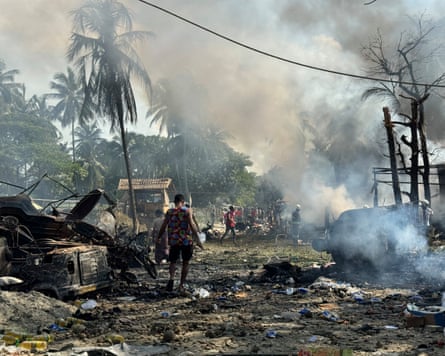 The aftermath of a military airstrike on a market and adjacent bridge in Kyauktaw, a rebel-held area in western Rakhine state, 28 September 2026. Photograph: AFP/Getty Images
theguardian.com
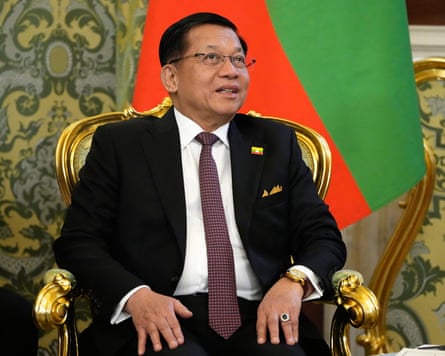 Min Aung Hlaing, president of Myanmar, speaks during a meeting with Vladimir Putin in the Kremlin in August. Photograph: Alexander Zemlianichenko/Pool AP/AP
theguardian.com
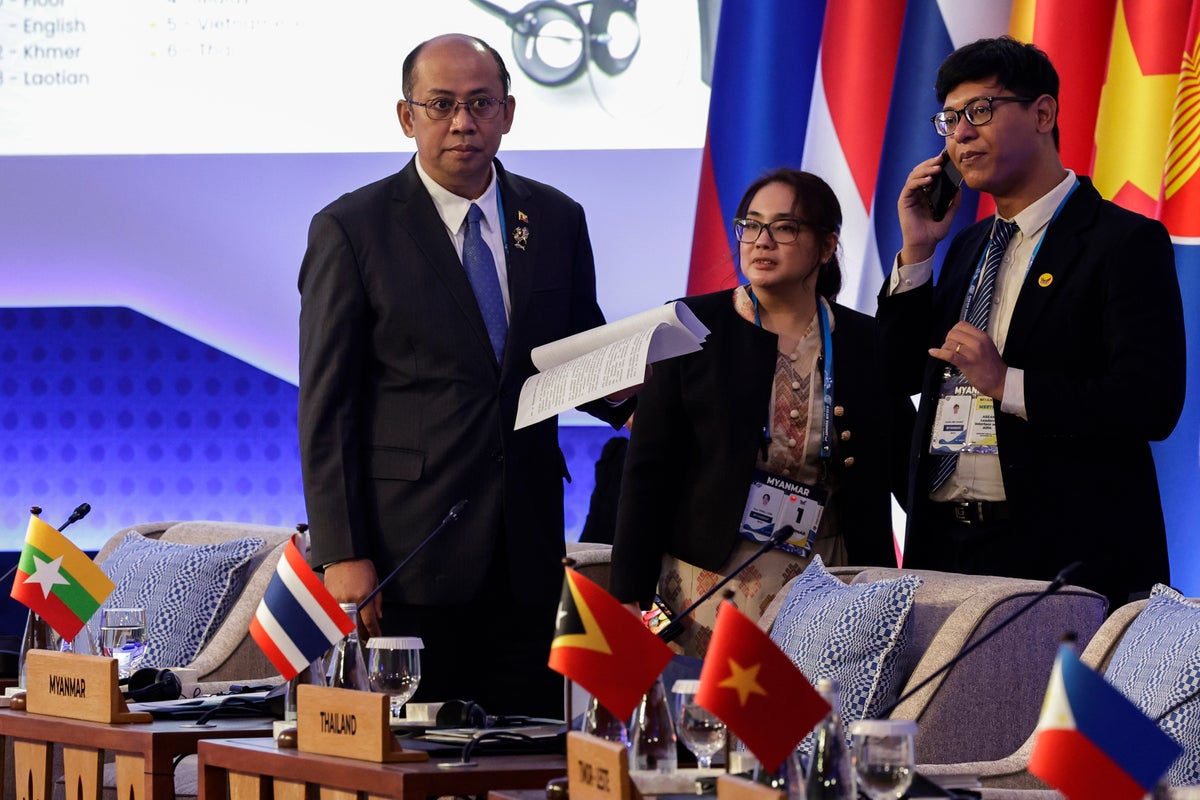 Southeast Asian leaders denounce violence in Myanmar and extend ban on its leader
independent.co.uk
The International Court of Justice will rule on Thursday whether Myanmar committed genocide against its Rohingya minority, in a judgment that could produce the first finding of state responsibility for genocide in the court's history. The case was brought by the Gambia, a Muslim-majority West African state with no direct stake in the conflict, under the 1948 UN genocide convention. The judges have weighed the accusations for seven years.
The evidence describes a template. Antonia Mulvey, whose organisation Legal Action Worldwide represents hundreds of Rohingya survivors, says the attacks on villages followed the same sequence each time: civilians targeted, homes burned, men and women separated, sexual violence, and killing that continued as people fled. Her team collected accounts of soldiers mutilating women's genitals and biting their faces — violence she describes as intended to brand its victims and end their reproduction. How the judgment treats rape as an instrument of genocide will be one of its central questions. In January the court held closed-door sessions to hear survivors who had travelled from camps in Bangladesh; one woman described her child being taken from her arms, stabbed and thrown into a fire.
The precedents counsel caution. Two earlier cases arising from the Balkan wars stopped short of finding a state directly responsible for genocide — Serbia was held liable only for failing to prevent the massacre at Srebrenica. A ruling against Myanmar would also be parsed for its implications in the separate genocide case the court is hearing against Israel. Whatever the outcome, the judgment's practical force rests on a Security Council where China and Russia, the junta's principal backers, hold vetoes.
At their summit in Manila, held the same week, ASEAN leaders expressed "deep concern" at Myanmar's failure to implement a five-point peace plan drafted in April 2021 and extended a ban on the country's leader attending their meetings until there is "meaningful progress". Myanmar is represented at the summit by junior career diplomats; the rotating chairmanship it was due to hold this year passed to the Philippines. Last month a UN rights investigator reported that the military is intentionally attacking civilians to terrorise them into submission, in a civil war that has spread across much of the country. The bloc's one measure with visible effect is the guest list.
The judgment is scheduled for Thursday morning in The Hague. In the camps at Cox's Bazar, the survivors marked nine years of exile in August.