
Estonia prepares to close its land border with Russia after GRU-ordered sabotage attempt on drone maker Threod Systems
Explosion and fire averted near Tallinn with eight people detained, second Estonian defence firm targeted since August arson at Milrem Robotics
Images
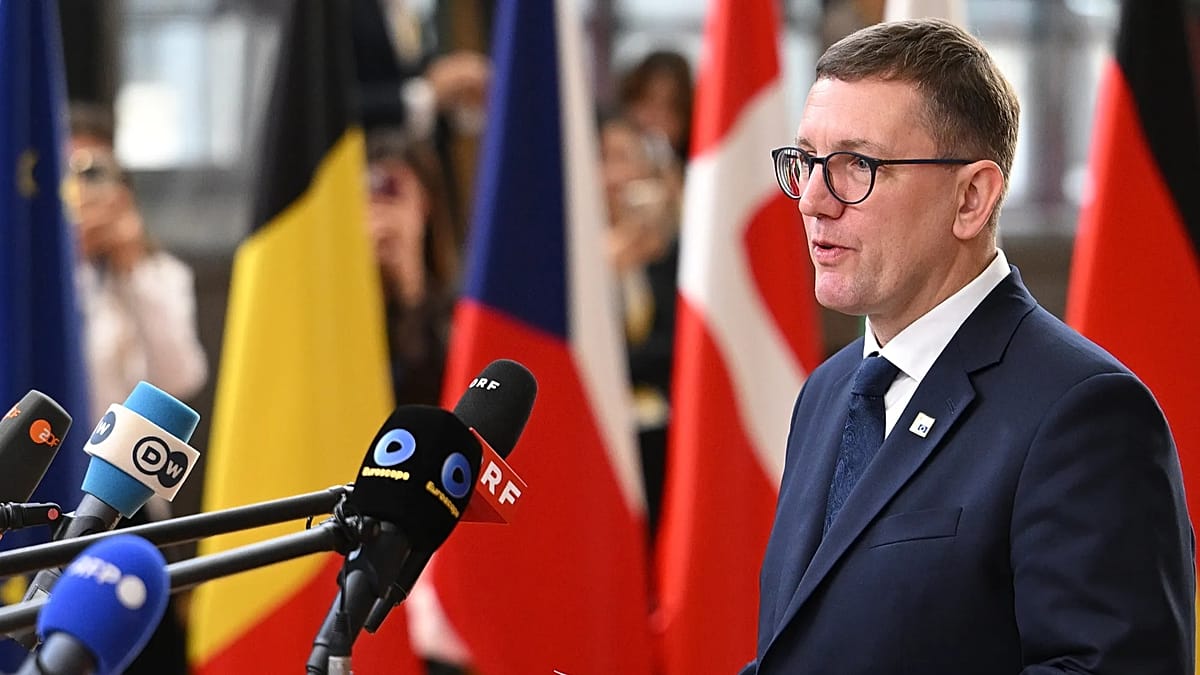 Estonian drone maker targeted in 'GRU-ordered' sabotage attempt: PM
euronews.com
Estonia is preparing to close its land border with Russia, Prime Minister Kristen Michal announced on Sunday, days after an attempt to bomb and burn the premises of drone manufacturer Threod Systems that he said was ordered by Russian military intelligence. The attack failed in the early hours of Saturday; Michal credited heightened security measures and a swift reaction by law enforcement with averting extensive damage, and local media reported eight people taken into custody.
Threod, founded in 2012 and based in Viimsi Parish near the capital, develops and manufactures unmanned aircraft and surveillance systems, including its Eos drones and eOpic electro-optical units. It is the second Estonian defence firm targeted this year: Milrem Robotics, another Estonian manufacturer, was hit by an arson attack in August that Estonian officials said was ordered by Russian special services. Estonia's Internal Security Service says the latest operation was designed to cause an explosion and set fire to the premises.
The GRU, Russia's military intelligence agency, is suspected of standing behind a series of hybrid attacks on European territory in recent years, and its standard method, as Estonian investigators describe it, is recruiting local assets to carry out sabotage missions. Reports of cyberattacks, drone incursions and sabotage attempts against the Baltic region have risen sharply since the full-scale invasion of Ukraine, and the Baltic states sit directly on NATO's eastern flank.
Arson and attempted bombing stay below the armed attack that NATO's collective-defence clause was written for, so each incident is investigated as ordinary crime while the campaign itself continues. Michal described the Threod attempt as part of Russia's broader hybrid war against Europe, aimed at decreasing support for Ukraine and easing pressure on Moscow, and framed the border preparations as a way 'to reduce the risks to our people and national security'. The countermeasure he announced was not a call on allies but the one instrument Tallinn controls outright: the crossings on its own border.
Michal announced the preparations in a social media post on Sunday. The extensive damage had been averted, he wrote, by heightened security measures and a swift reaction by law enforcement.