
Democrats weigh National Popular Vote compact after midterm sweep
November 3 wins give reformers statehouses needed to bypass Electoral College, compact stands at 222 electoral votes with legal challenges waiting
Images
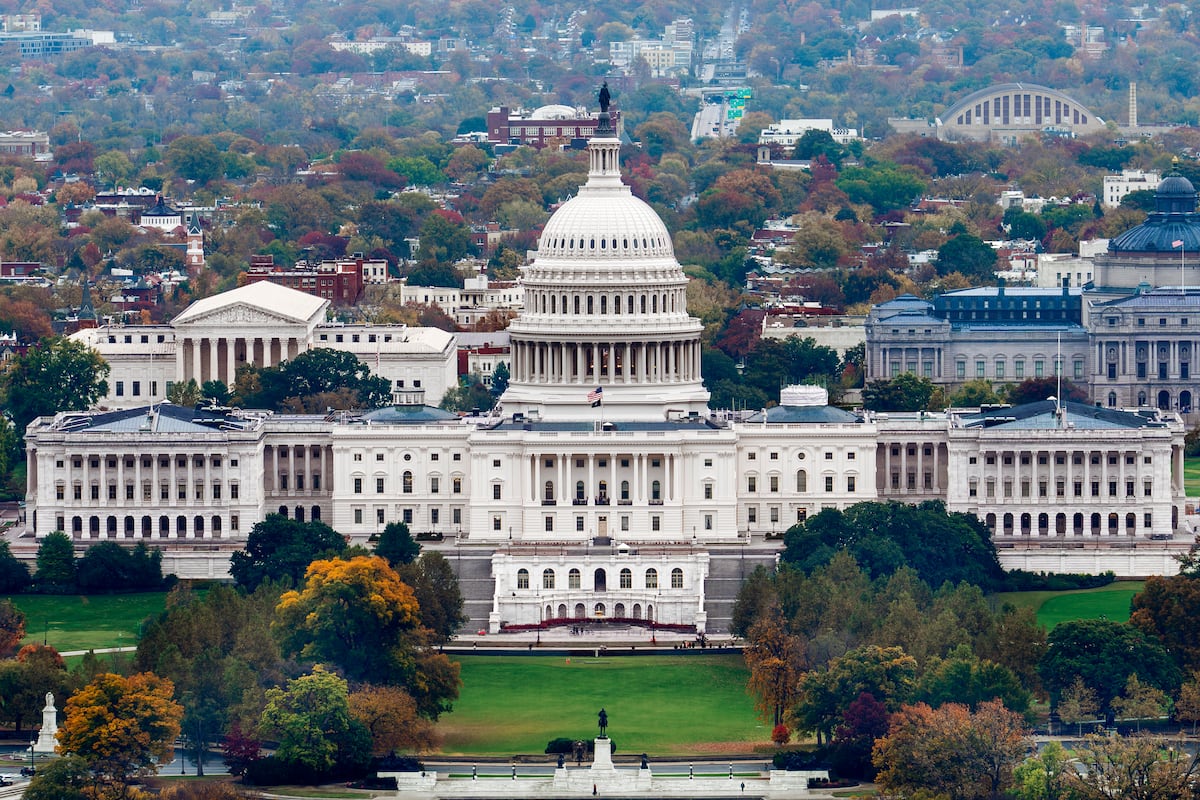 How the Democrats’ midterm victory could reshape the rules for electing a US president
english.elpais.com
The United States remains the only presidential democracy that does not elect its head of state by direct vote, and the Democrats' midterm victory on November 3 has suddenly given the reform movement a realistic path to changing that — without touching the Constitution. On election night the party won the governorship and both chambers of the state legislatures in Michigan, Pennsylvania, Wisconsin, Arizona and Nevada, five states that would supply the 61 remaining electoral votes the National Popular Vote Interstate Compact needs to take effect.
The compact, first proposed in 2007 as an alternative to a constitutional amendment, binds signatory states to award their electors to whichever candidate wins the national popular vote. It takes effect once member states control the 270 electoral votes needed to win the presidency; states accounting for 222 have joined so far, and 18 states plus the District of Columbia are on board. In most states, the candidate who carries the state takes all its electoral votes regardless of margin — one ballot or two million — with Maine and Nebraska the exceptions.
The Electoral College has produced two presidents in living memory who lost the popular vote: George W. Bush in 2000 and Donald Trump in 2016. Trump then carried all seven battleground states in 2024. The system weights less populous states — each gets two senators plus House seats — and tends to favour Republicans, which is precisely why the reform push now runs through state capitals the Democrats just won. El País's reporting frames the strategy plainly: the compact is easier than an amendment, and the November 3 results handed its supporters the legislatures that could pass it.
Neither the fragility nor the legal exposure is hidden. The Compact Clause in Article I, Section 10 of the Constitution bars states from entering agreements with one another without the consent of Congress, and a compact with 270 electoral votes at stake would land in court immediately. States can also withdraw at will — a Republican resurgence in any member state could unwind the scheme as fast as it was assembled. Supporters of the College defend it as a check the Founders built in; the Founders, the article notes, could not have foreseen what parties would make of it.
The rulebook is being edited by the people who just won under the old one.