
Russell Brand imprisoned for rape and sexual assault, British media revisit 2000s clips as scrutiny widens to the enablers
Radio 1 host Chris Moyles once spoke on air about wanting to take Charlotte Church's virginity when she turned 16
Images
 A cracked magnifying glass reveals David Walliams kissing Jonathan Ross on a television screen
theguardian.com
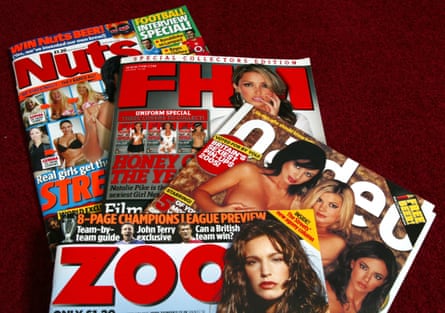 Lads’ mags: Zoo, Loaded, FHM and Nuts. Photograph: Graham Turner/The Guardian
theguardian.com
 Chris Moyles in a radio studio. Photograph: Garry Weaser/The Guardian
theguardian.com
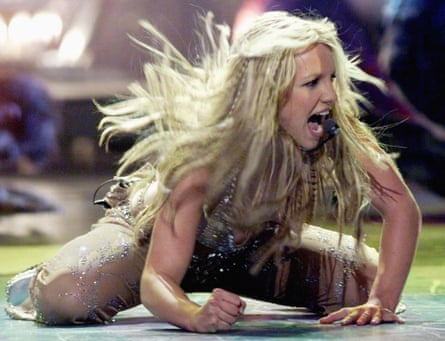 ‘The public was baying for Britney to be humiliated, and the tabloids obliged,’ said Ben Widdicombe. Photograph: Reuters
theguardian.com
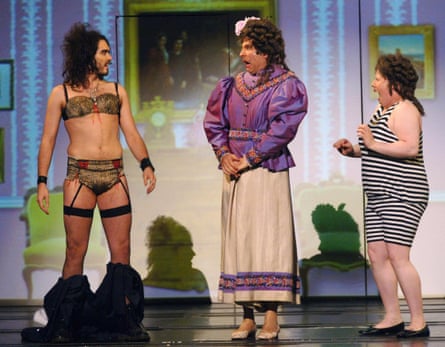 Russell Brand (left) making a cameo appearance in a Comic Relief performance of the Little Britain stage show, alongside David Walliams (centre) and Matt Lucas in London in 2006. Photograph: Ian West/PA
theguardian.com
Russell Brand has been imprisoned for rape and sexual assault, and the 2000s popular culture that made him famous is being reread clip by clip. The scrutiny now extends beyond the men convicted and accused to 'those who appeared to enable them', the Guardian reports — the broadcasters, presenters and magazine editors for whom the treatment of women was the product.
The clips were never hidden. On a 2008 episode of BBC Two's Never Mind the Buzzcocks, choreographer Arlene Phillips was the only woman on the programme. Host Simon Amstell told her 'you look like you run a good whore house'; panellist Dermot O'Leary mimed picking up a phone and asked 'when you're dancing tonight, do you mind having sex afterwards?' Everyone laughed. Jonathan Ross has now apologised for a 2004 joke in which he described the British Comedy Awards as 'like most 15-year-olds: drunk, unpredictable and probably going home with David Walliams'. Walliams denies the sexual misconduct allegations reported by the Guardian and ITV News, and is separately the subject of a Metropolitan police investigation. Ministers, meanwhile, are looking at how quickly the non-disclosure agreements that long kept such matters quiet can be limited.
Around the programmes stood an industry. Topless models appeared ubiquitously on the tabloids' Page 3; the lads' mags Zoo, Loaded, FHM and Nuts mixed lifestyle content with overtly sexual images; paparazzi relentlessly pursued young female celebrities, scrutinised their weight and photographed them in compromising situations, and magazines published the upskirts. In 2004 the celebrity magazine Heat devoted an entire special to celebrity cellulite, circling the offending patches of skin on the legs of Beyoncé and Martine McCutcheon. When the singer Charlotte Church was fifteen, a website counted down to her sixteenth birthday — the age of consent — as the Sun reported, and Chris Moyles, then 28, spoke on Radio 1 about wanting to take her virginity when she turned 16. Similar countdowns targeted the Harry Potter star Emma Watson.
Sophie Gilbert, author of Girl on Girl: How Pop Culture Turned a Generation of Women Against Themselves, calls the decade's popular culture 'profoundly, openly, cheerfully horrible to women' and dates the mechanism to the 1990s shift from third-wave feminism to postfeminism: women were now supposed to own their own objectification, enjoy it, profit from it — and never complain. On TFI Friday, Geri Halliwell and Kylie Minogue kissed as a 'surprise' for the host Chris Evans; Victoria Beckham was asked to step on a scale weeks after giving birth.
None of it required leaks at the time; it was broadcast and printed openly, by household-name institutions, and the second look is dated to the week a court passed sentence on Brand. What has come from the industry itself so far is an apology for a joke; the convictions come from the criminal courts, and the NDA reform from ministers.
On the 2008 episode, Arlene Phillips — the only woman present — answered with a story, and everyone laughed.