
Girls Do Porn survivor addresses British parliament
Coerced videos drew more than a billion views before US federal prosecutions shut the channel, campaign wants new UK powers to verify performers' consent
Images
 ‘For years, I’d hardly talked about it at all’ … Mariah Rief. Photograph: Alicia Canter/The Guardian
theguardian.com
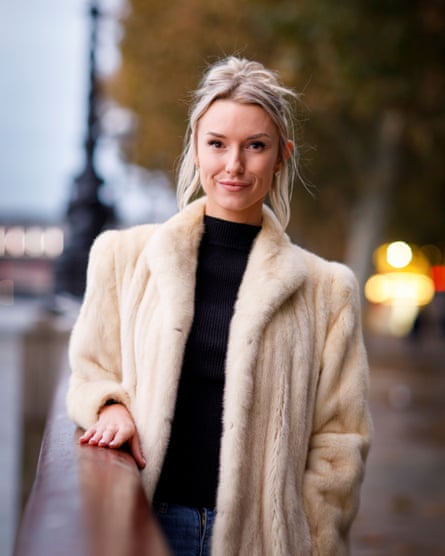 ‘I decided I’m going to live. And I was going to turn this around’ … Rief. Photograph: Alicia Canter/The Guardian
theguardian.com
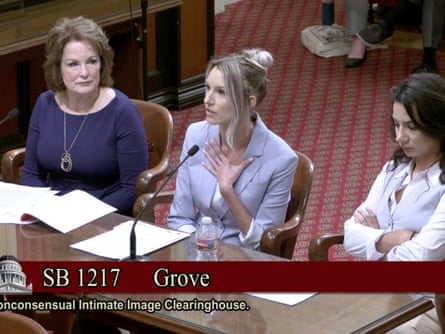 Rief addresses a California senate committee in April 2026. Photograph: Courthouse News screenshot via California Senate
theguardian.com
Mariah Rief was 19 when she answered a Craigslist advertisement for a modelling job at the Hilton in San Diego. A man presenting himself as a photographer met her in the lobby; at the door of a hotel room upstairs she stood with him behind her, blocking the exit, and a second man waiting inside. Now, almost ten years to the day, she has travelled to London to tell parliament what was filmed there — and what she believes the law should demand of the industry that sold it.
The operation was called Girls Do Porn. Between 2009 and 2020 it ran a subscription channel releasing a new 45-minute video every week, distributed to sites including Pornhub, where in 2014 one of its videos was the platform's second most-viewed. Over its lifetime the material was watched more than a billion times. The US legal definition of sex trafficking — the use of a person for commercial sex acts by force, fraud or coercion — covered the hotel room, and the hundreds of women the supposed photographer, Theodore Gyi, was convicted of helping to coerce. Ending the operation took federal prosecutors: the ringleader Michael Pratt, once the subject of an FBI "most wanted" notice, is serving 27 years; Ruben Andre Garcia, the man waiting in the room, is serving 20.
Rief is in London on behalf of UK Feminista, which is publishing recommendations on how the government should use new powers under the crime and policing act to force pornography sites to implement protections. The proposed checks sit at the production end of the industry: sites would have to verify that the people appearing in their content are adults and consented to its publication. No such check interrupted Girls Do Porn's eleven-year publishing schedule, and what finally ended it was a federal case, not the platforms that carried it.
Rief spent years blaming herself, she says, before accepting she had been the victim of a crime at all. "I died in that hotel room," she told the Guardian. "I was a walking corpse." She counts 15 women from the operation who have since died by suicide or drug overdose.