
Majority in Northern Ireland wants UK back in the EU ten years after Brexit
Windsor Framework support at lowest since 2021 as Burnham heads to Brussels for food and energy accords, only 16 percent expect an informed debate
Images
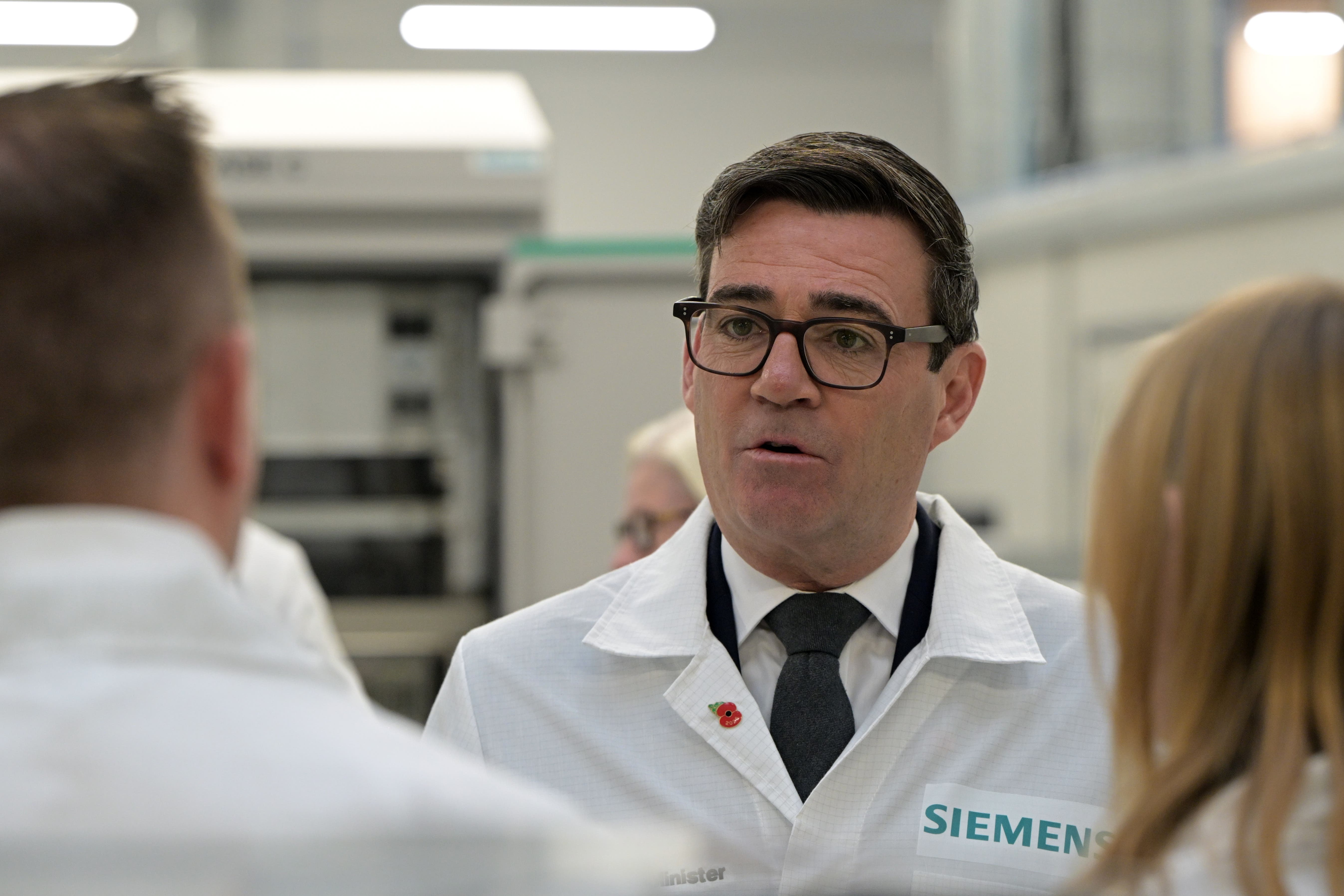 Andy Burnham will travel to Brussell next week for a UK-EU summit (PA) (PA Wire)
PA Wire
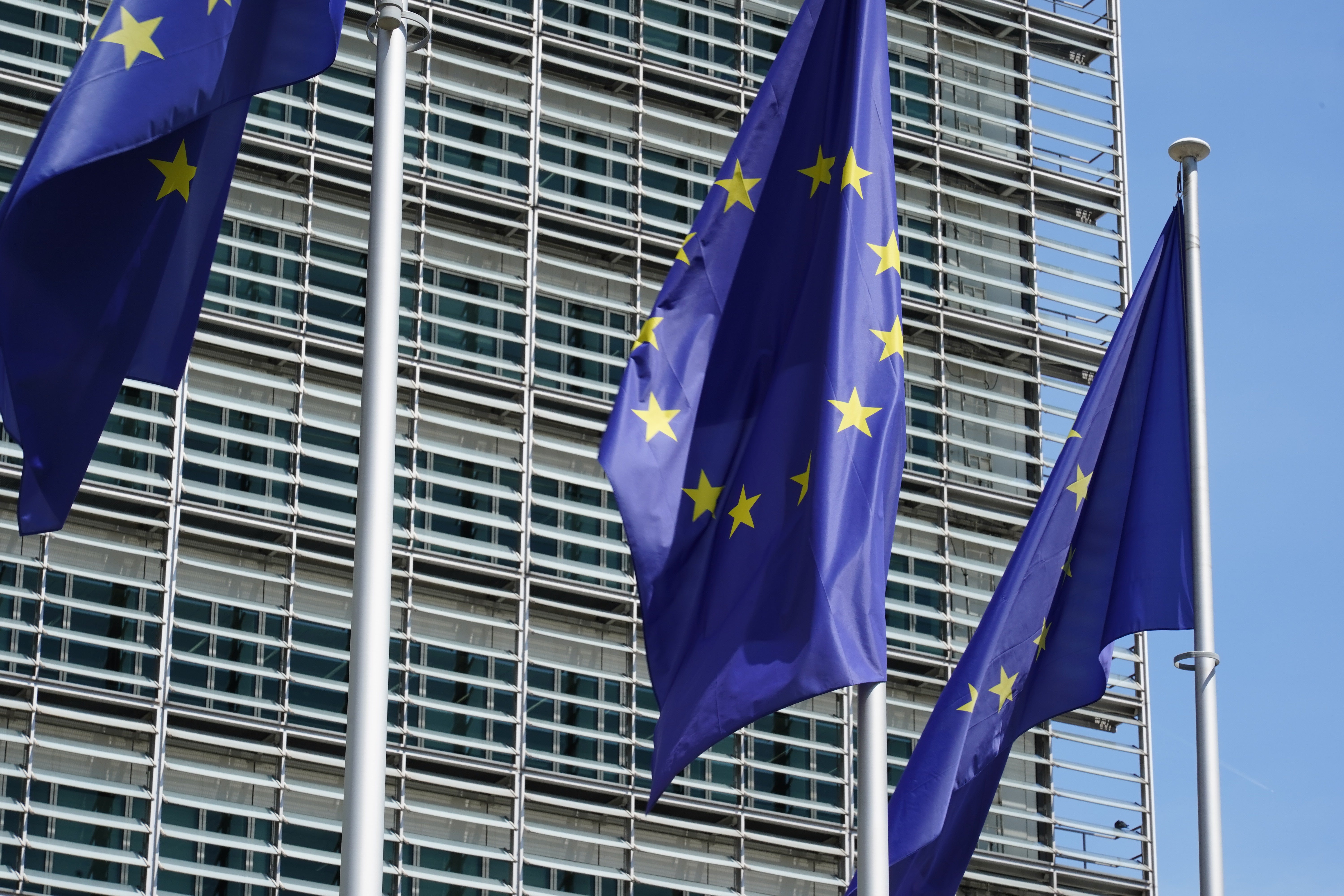 It has been a decade since the UK decided to leave the EU following a referendum (PA)
independent.co.uk
 standard.co.uk
 standard.co.uk
Ten years after the Brexit referendum, 52 percent of Northern Ireland's voters want the United Kingdom back inside the European Union, with 38 percent opposed. The finding comes from Queen's University Belfast's sixteenth "Testing the Temperature" survey, run by the polling firm LucidTalk between October 23 and 26 on a weighted sample of 1,050 voters.
The settlement designed to manage the region's exit is wearing thin. Forty-five percent call the Windsor Framework "on balance a good thing for Northern Ireland" — its lowest rating since June 2021 — and only 44 percent consider it an effective mechanism for managing Brexit's consequences, down from 60 percent in February 2024. Sixty-three percent say Brexit has caused far more disruption than they anticipated in 2016. Forty-nine percent now judge its effect on political stability negative rather than positive.
Appetite for revisiting the relationship is broad, if poorly informed. Seventy-seven percent see a need for a "serious dialogue" on the UK's long-term place in the EU; 69 percent say the public lacks sufficient information for an informed discussion; 16 percent believe politicians could conduct one. Support for rejoining under standard member obligations runs at 88 percent among SDLP voters, 86 percent among Sinn Féin voters and 83 percent among Alliance voters, against 92 percent opposition among TUV voters and 84 percent among DUP voters.
The route currently being taken runs through summits rather than ballots. Prime Minister Andy Burnham travels to Brussels next week to sign accords on food and energy, and says a "win-win" deal can be struck that is closer to the Brexit promised a decade ago. More than three quarters of respondents would welcome an agreement easing checks on goods moving from Great Britain into Northern Ireland.
Unionism, meanwhile, is fighting on cultural rather than commercial ground. DUP leader Gavin Robinson, under pressure to pull his party out of Stormont after the Drumcree parading dispute, warned members that a return to direct rule would see a "radical woke agenda foisted" on the region — citing Westminster's imposition of "the most liberal abortion law in Europe" during a previous collapse, without a single MLA voting for it. Carla Lockhart has resigned from the party, the DUP has stopped joint engagements between Emma Little-Pengelly and Michelle O'Neill, and both ministers were barred from taking part in Remembrance Sunday at Belfast City Hall. The executive has yet to agree a budget, with ministers blaming insufficient funding from London.
"Voters in Northern Ireland generally welcome the prospect of the UK having a closer relationship with the EU," Professor David Phinnemore said, noting how few believe politicians can debate the options in an informed manner. Fifty-two percent of the region's voters now back rejoining under standard member obligations. Sixteen percent expect the discussion to be conducted in one.