
EU signs readmission deal with Nigeria
Abuja media report almost 100 million euros pledged in return, international law already obliges states to readmit their own nationals
Images
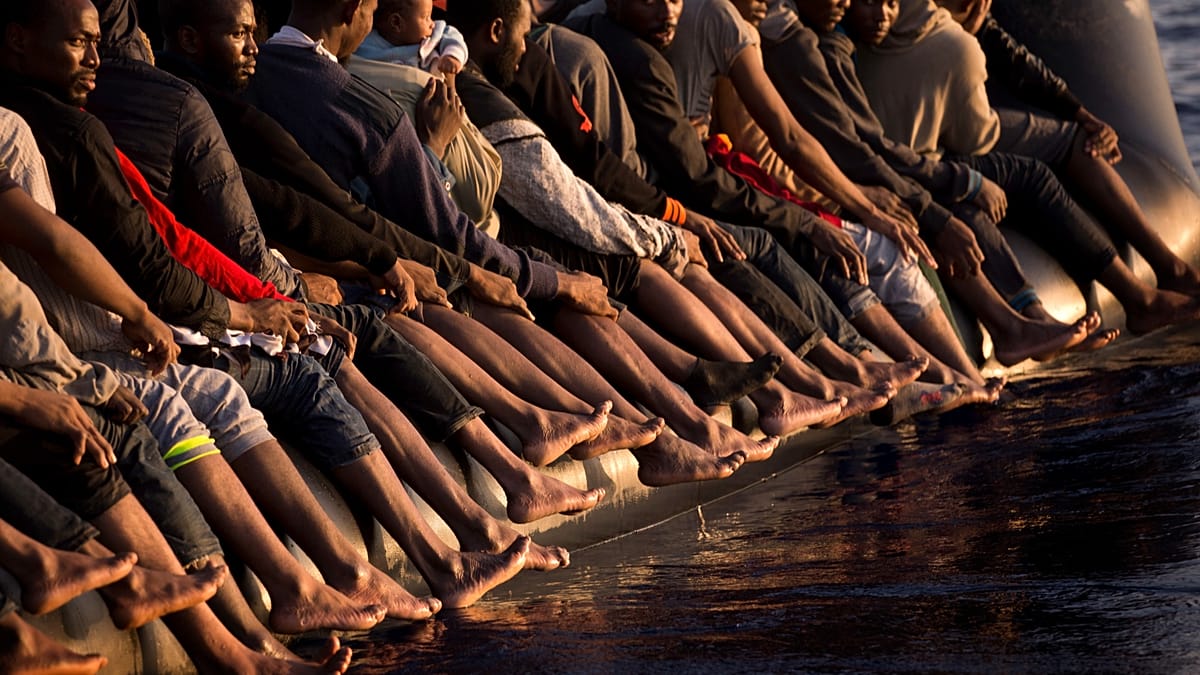 EU seals Nigeria migration deal. What's in it for Abuja?
euronews.com
The EU and Nigeria signed a migration agreement in Abuja on Tuesday, committing Nigeria to readmit its nationals residing illegally in European countries. EU Commissioner Magnus Brunner and Nigerian Foreign Affairs Minister Bianca Odumegwu-Ojukwu signed the deal, which establishes what Brussels calls "rapid and effective procedures" for returning Nigerians who lack the legal right to stay in an EU country.
The agreement targets a return rate stuck at around one in three: of the irregular migrants ordered to leave Europe, only about a third are actually sent back. Nigerian media reported that EU officials pledged almost €100 million in additional funding alongside the agreement, a figure attributed to Johannes Luchner, deputy director general of the Commission's migration and home affairs department. The money would finance legal migration pathways for Nigerians into the EU, along with anti-trafficking and anti-drug initiatives. The European Commission insists the agreement is not "a transactional exchange of concessions"; a spokesperson described the partnership as "mutually beneficial," built on "mutual trust, shared responsibilities, reciprocity, and common interests."
The reported €100 million would arrive on top of €731 million in EU grant funding already committed to Nigeria for 2021–2027. The bloc now holds 18 readmission agreements, most of them with Asian and Western Balkan states; Cape Verde became the first African signatory in 2014, and talks with Morocco and Tunisia have stalled. Where formal agreements fail, Brussels applies leverage across visa policy, trade and financial support. Nigerians formed the largest national group among irregular arrivals in Italy in 2017 and 2018; those numbers have since fallen sharply, though Eurostat publishes no figures on how many Nigerians currently live irregularly in the EU.
The agreement carries a reciprocity clause — EU nationals without the right to remain in Nigeria can be returned the same way — and still needs approval from EU member states. It was signed in the same week a wooden boat from Senegal capsized en route to the Canary Islands, killing at least 39 people, with a single survivor found after three days of searching. Harder coastal enforcement has made that crossing longer and more dangerous, and the boats keep leaving.
Under international law, states are already obliged to readmit their own nationals.