
Norway and Finland bar Russian athletes at the border
Entry bans replace the exclusions sports bodies lifted or lost in arbitration, Moscow demands compensation from Canada and Germany
Images
 Russian athlete Sergei Shirokov (52) collides with Norway goaltender Lars Haugen at the 2018 Winter Olympics. Matches between the countries in Norway will not be possible after Thursday’s announcement. Photograph: Ronald Martinez/AFP/Getty Images
theguardian.com
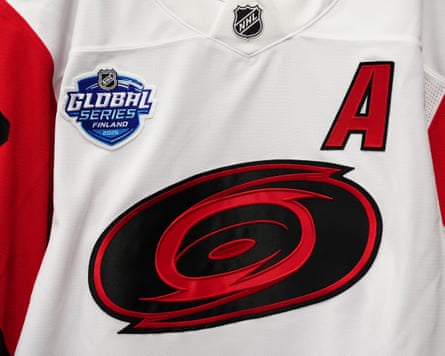 The NHL’s 2026 Global Series games between the Caroline Hurricanes and Seattle Kraken will take place before Finland’s ban on Russian athletes is enforced. Photograph: Brian Babineau/NHLI/Getty Images
theguardian.com
 globalnews.ca
 Click to play video: 'Russia, Norway’s status uncertain for world juniors in Canada'
globalnews.ca
 Click to play video: 'Carney says Russia won’t be able to participate in World Juniors'
globalnews.ca
Norway instructed its immigration authorities and police on Thursday to refuse entry to Russian and Belarusian professional athletes and their support staff, hours after Finland said it would deny visas to Russian competitors for as long as the war in Ukraine continues. Canada moved a day earlier, stating that Russian players will not be permitted at the World Juniors in Alberta even if they hold valid Canadian visas. "Norway already has a restrictive visa practice for Russian and Belarusian citizens, but is now further tightening who is allowed to travel here," said justice minister Astri Aas-Hansen.
The three governments are reacting to a sports system that has spent the year letting Russia back in. Last month the Court of Arbitration for Sport ordered Russia's reinstatement to international hockey, overturning the ban the International Ice Hockey Federation imposed on February 28, 2022. The ski federation now admits Russians and Belarusians under conditions that include stripped national symbols and a signed neutrality declaration, and figure skating admits them as neutral athletes. Finland's decision followed a domestic backlash to the hockey reinstatement; foreign minister Elina Valtonen said Russian athletes "have no business in Finland" and that admitting them "would be a threat to Finland's international relations", with the restriction covering neutral-status competitors as well as national teams.
Russia fought the federation ban and won. Entry refusals sit outside sport's jurisdiction, so Moscow is moving the fight to liability. Hockey federation president Vladislav Tretiak told a presidential sports council that Russia will demand compensation from Canada if barred from the World Juniors, which open in Edmonton and Red Deer on December 26, and from Germany, host of the 2027 men's world championship. He wants the tournaments relocated, wants organizers sanctioned, and has asked the IIHF's ethics council to investigate the federations organizing boycotts — Finland, Sweden, Czechia and Norway have all said their teams will refuse to face Russia. Vladimir Putin told the same council that federations refuse to play Russian teams under pressure from their governments; by Thursday, the governments had dispensed with the middleman.
The events are already booked. Finland hosts a figure skating Grand Prix and a cross-country World Cup this month, and the figure skating world championships in March were expected to feature Russian skaters among the top medal contenders. Norway's World Cup in Trondheim in December will be missing athletes its ski federation cleared and its government barred. The International Skating Union, which admits Russians as neutrals, said it "has taken note" of the Finnish government's statement.