
US jobless claims hold near 1969 lows
Hires rate stuck at 3.4 percent despite 7.52 million job openings, sentiment a few points above record low while hourly pay trails inflation
Images
 zerohedge.com
 zerohedge.com
 zerohedge.com
 zerohedge.com
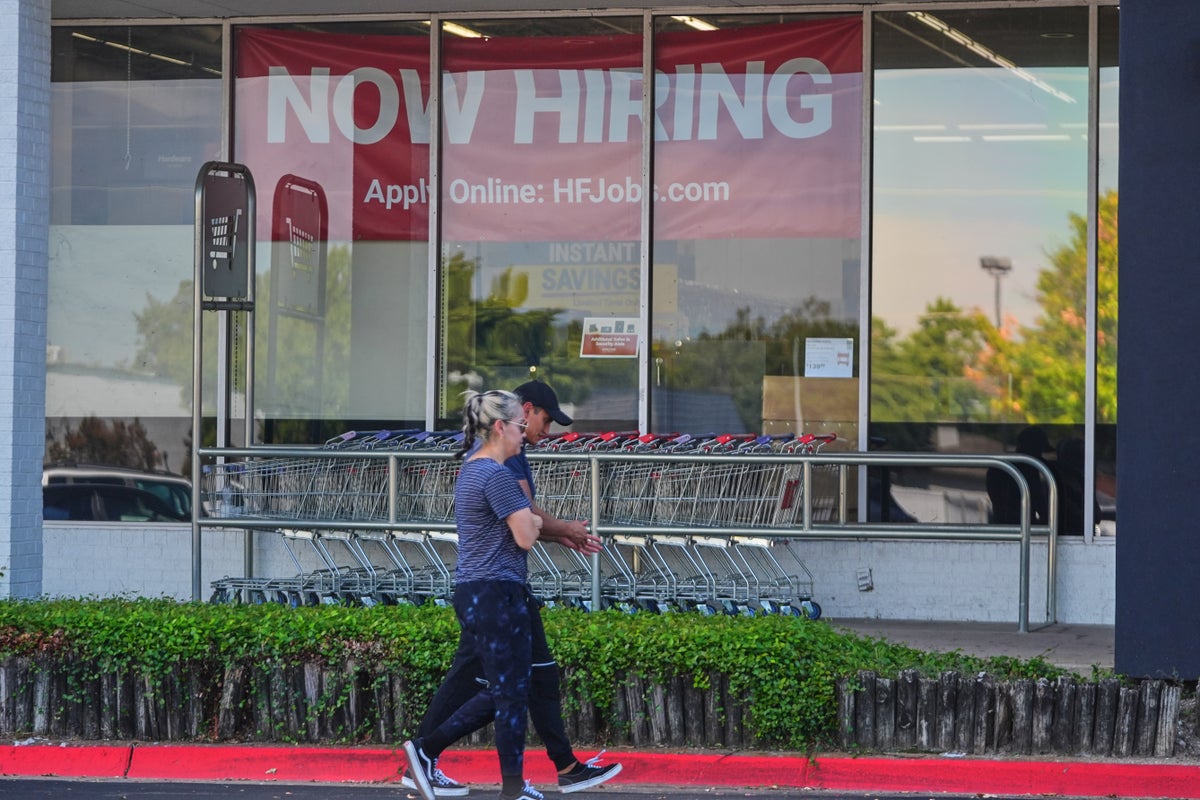 US jobless claims tick up to 200,000 but remain low by historic standards
independent.co.uk
New US jobless claims ticked up to 200,000 last week, against a 195,000 forecast, but the four-week average of 195,250 is the lowest since 1969. Claims are the standard proxy for layoffs, and layoffs are scarcer than at any point since Richard Nixon's first year in office: the share of covered workers collecting benefits fell from 1.3 to 1.1 percent, and continuing claims sit about 250,000 below last year.
The other side of the ledger has stopped moving as well. The hires rate has been stuck at 3.4 percent, about 5.4 million hires a month, even as job openings jumped to 7.52 million in September, and the layoffs-and-discharges rate fell to 1.0 percent, with 1.6 million workers let go. ADP's weekly series points to private hiring of roughly 80,000 jobs a month. Employers have added an average of 86,000 jobs a month this year — modest by historic standards, up from 9,700 in 2025, when high interest rates and unpredictable trade policy discouraged hiring. October's payroll report exceeded every estimate: 165,000 against a 70,000 consensus, with revisions lifting the three-month average to 137,000.
Together the numbers describe a market in stasis — dismissals at their scarcest since 1969, a hires rate frozen at 3.4 percent, and 7.52 million openings. How workers feel about it is a different series. Preliminary November sentiment from the University of Michigan jumped three points to 51.0, beating forecasts, and sits a few points above the lowest reading in the survey's seventy-year history. Average hourly earnings grew 3.12 percent over the year against a headline CPI of 3.7 percent: in real terms, pay is falling. The U6 underemployment rate jumped 0.3 points to 7.9 percent, which Goldman Sachs attributes largely to 171,000 more marginally attached workers — people who want work but have stopped searching for it.
The Federal Reserve will react to the headline numbers, and the headline numbers look strong: October payrolls beat every estimate, CPI ran hot again, and Goldman Sachs now expects rate increases.
The best single week of 2019 recorded 196,000 claims; the average of the past four weeks is 195,250. Fifty-seven percent of Michigan's respondents say their living standards are eroding.