
UK posts fastest quarterly growth in two and a half years
ING calls the rise a datacentre story and Deutsche Bank credits AI spending with up to 0.4 points of growth, RBC finds the same purchases add nothing to Canada's GDP because 75 percent of the kit is imported
Images
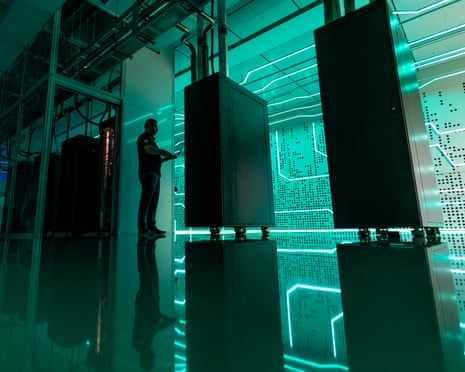 Liquid cooled servers at the Global Switch Docklands datacentre campus in London. Photograph: Bloomberg/Getty Images
theguardian.com
 Prime minister Andy Burnham says the data is ‘welcome news’ (PA)
independent.co.uk
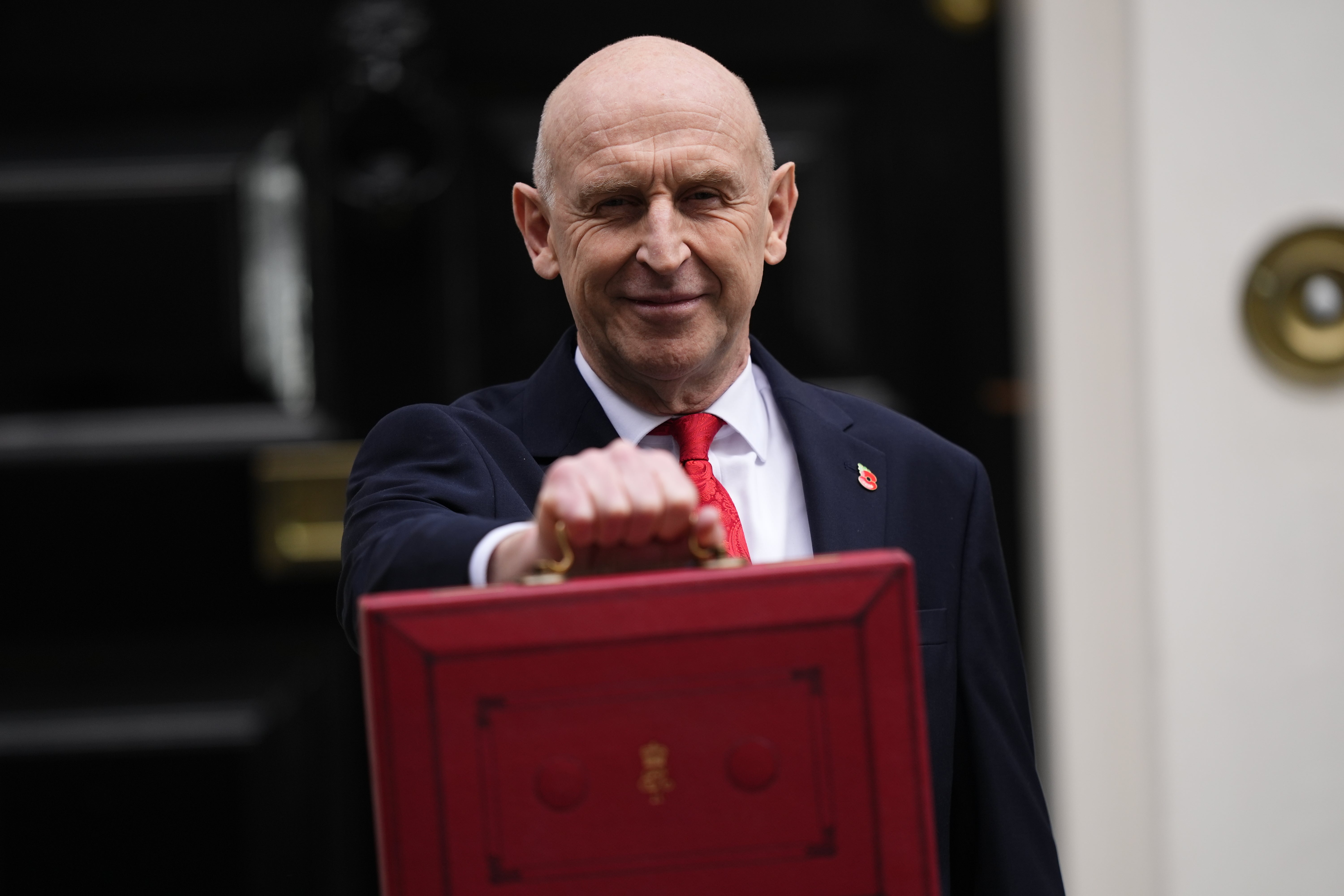 Chancellor John Healey: ‘The Middle East conflict has hit growth worldwide, yet Britain is showing standout resilience’ (PA)
independent.co.uk
 globalnews.ca
 Click to play video: 'AI stocks tumble post-midterms as Canada bets big on AI infrastructure'
globalnews.ca
The UK economy grew 0.7 percent between July and September, the fastest expansion in two and a half years, and the Office for National Statistics attributes the rise almost entirely to services. IT and professional services contributed about half of the increase; analysts at ING called the strength in IT "very clearly a datacentre story". Deutsche Bank estimates AI-related spending has added 0.3 to 0.4 percentage points to GDP growth this year, and Britain is on course to be the second-fastest-growing G7 economy.
What the national accounts record is spending: server halls, chips, construction. Computer programming grew at its fastest rate in three years, and the UK is a leading European destination for datacentre investment — the country that hosts the buildings gets to count them. Canada shows the same purchases from the other side of the dock. Royal Bank of Canada economists expect rising AI investment to add nothing to Canadian GDP, a net-neutral effect, because purchases of computer and peripheral equipment — up 28 percent in the first half of the year — are 75 percent imported. Joël Blit, an economics professor at the University of Waterloo who studies disruptive technologies, says the investments benefit the economies that produce the equipment, not the ones that buy it; the real productivity gains arrive only later, when businesses reimagine how they work.
The growth is narrow at home as well. The British Chambers of Commerce describes a two-speed economy: investment by a few large firms is driving the expansion while SME investment stays flat, and only 17 percent of firms expect to increase investment in the coming months, a post-pandemic low. The consumer side is cooling. Retail sales fell in September, real wage growth is easing, and the average annual gas and electricity bill is expected to climb by about a quarter in January, to more than £2,000. Headline inflation is on track to reach a fresh peak near 5 percent next year, and City investors expect at least two more quarter-point increases from the Bank of England, to 4.5 percent. Chancellor John Healey, in office since July, says he wants to "bring back confidence in Britain".
Markets, meanwhile, have been rocked in recent weeks by fears that an AI stock bubble could be about to burst, and the investment outlook has grown less certain since the US midterm elections and the revelations at the chipmaker Nvidia.
The servers at the Global Switch Docklands datacentre campus in London are liquid-cooled. The average household bill crosses £2,000 in January.