
Computer model aims to spare tens of thousands needless prostate treatment
£1.4 million Reimagine project links over 1 000 patient samples to NHS records, charity funds the tool that shrinks the treatment market
Images
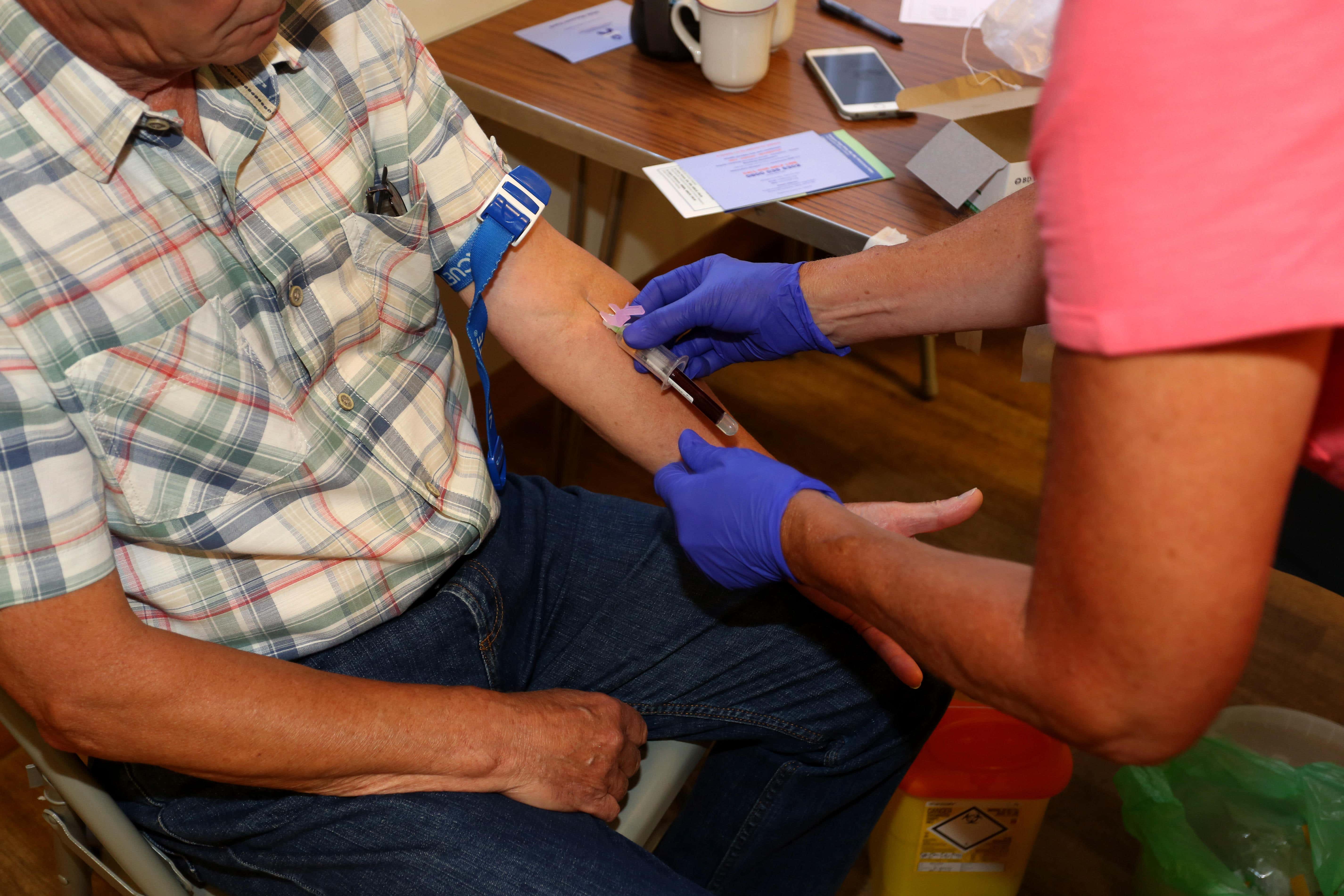 The tool could spare thousands from needless treatment
independent.co.uk
A £1.4 million project led by King's College London will begin on 10 December with a single goal: building a computer model that can tell, at the moment of diagnosis, which prostate cancers will turn lethal and which will sit harmlessly for decades. The Reimagine initiative aims to spare tens of thousands of men each year from unnecessary biopsies, surgery and radiation.
The problem it addresses is not new. According to Prostate Cancer UK, existing diagnostic tests cannot accurately forecast how a man's prostate cancer will develop — and the consequences run in both directions. Men with harmless tumours undergo treatments that leave them incontinent or with erection problems, while aggressive cancers in some men are occasionally overlooked entirely. "One of the biggest ongoing challenges in prostate cancer is that we still can't reliably predict which cancers will become life-threatening and which will remain low risk," said Professor Mieke Van Hemelrijck of King's College London, who leads the project.
Reimagine will evaluate medical information from over 1,000 diagnosed patients, connecting it to NHS records to map how the disease actually developed over time. Specialists will compare samples from slow-growing tumours against aggressive ones, hunting for traits that distinguish the two — a digital model that predicts behaviour years into the future. University College London, Imperial College London and Radboud University are participating.
The funding structure is worth noting. The money comes from Prostate Cancer UK and the John Black Charitable Foundation — a charity, not the health service, and not the industry that bills for operations. Every biopsy avoided and every surgery forgone is revenue forgone somewhere else in the system. The people building the tool have no stake in treatment volume, which may explain why the tool is being built by them at all. Dr Matthew Hobbs, director of research at Prostate Cancer UK, frames the stakes plainly: tens of thousands of men are diagnosed each year, and too many face "massive uncertainty" afterwards.
The alternative to prediction already works when it is done properly. Barry O'Carroll, 54, from Cheshire, was diagnosed with prostate cancer of unknown aggressiveness and placed under active surveillance. "It felt like a ticking time bomb," he said. Nine months later the cancer began to grow — and because he was being watched, it was spotted quickly and removed. He is now cancer-free and has no regrets, but believes knowing the cancer's aggressiveness from the start would have made the ordeal easier.
Reimagine will not reach clinics for years. Until it does, tens of thousands of men a year will keep making irreversible treatment decisions on the basis of tests their own doctors admit cannot answer the question.