
Ukraine captures first Indonesian prisoner of war
283 Indonesians recruited for Russia in nine months after online ads promised logistics jobs, the offers became mercenary contracts on arrival
Images
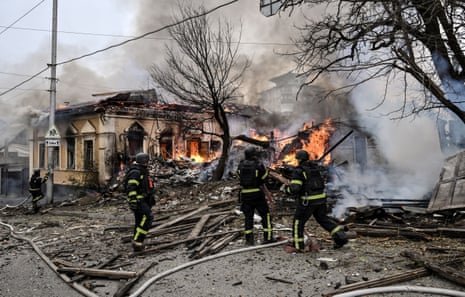 Rescue workers at the scene of a Russian drone attack in Zaporizhzhia, Ukraine, on Tuesday. An Indonesian national has been captured by Ukraine after being recruited by Russia in Zaporizhzhia. Photograph: Ukrinform/Shutterstock
theguardian.com
Ukraine says it has captured its first Indonesian prisoner of war: a 49-year-old man from Java, sent to the Zaporizhzhia region to take part in a Russian assault and taken into custody after his group came under drone attack and he reached Ukrainian-held territory. The account comes from Kyiv's state-run 'I Want to Live' project, set up in 2022 with the defence ministry's backing to process surrenders by Russian servicemen and the foreigners recruited to fight alongside them.
The capture confirms what the recruitment numbers already show. According to the same project, 283 Indonesians were signed up to fight for Russia in the first nine months of this year — against no more than ten in the previous three years combined. Indonesia is the newest source in a pipeline that Kenya's intelligence services said in February had already drawn more than 1,000 Kenyans to the front, with recruits also coming from Uganda, South Africa and other African states.
The mechanism, as mapped by Indonesian police days after Jakarta publicly protested, is a trafficking operation dressed as a hiring operation. A syndicate used social media and messaging apps to advertise lucrative jobs in logistics, border security and defence construction. Recruits travelled to Russia on that basis and were then directed to sign contracts to serve as mercenaries; some were deployed to conflict zones. Foreign ministry spokesperson Yvonne Mewengkang said the government had asked Moscow to take 'all necessary steps' to ensure that no Indonesians will be recruited into the Russian military 'or any other military-related position in Russia through any avenues' — a formulation broad enough to cover the channels the syndicate used.
What moved Jakarta to speak was the reported death in October of an Indonesian national serving with the Russian military. The Russian embassy in Jakarta did not respond to questions about the recruitment effort.
The recruitment posts promised jobs in logistics and border security. The contracts put in front of the recruits once they reached Russia said mercenary service.