
Turkey expands major coal plant while hosting COP31
Afşin-Elbistan worker has buried three brothers who died of lung cancer and COPD, country remains only OECD member yet to ban new coal plant permits
Images
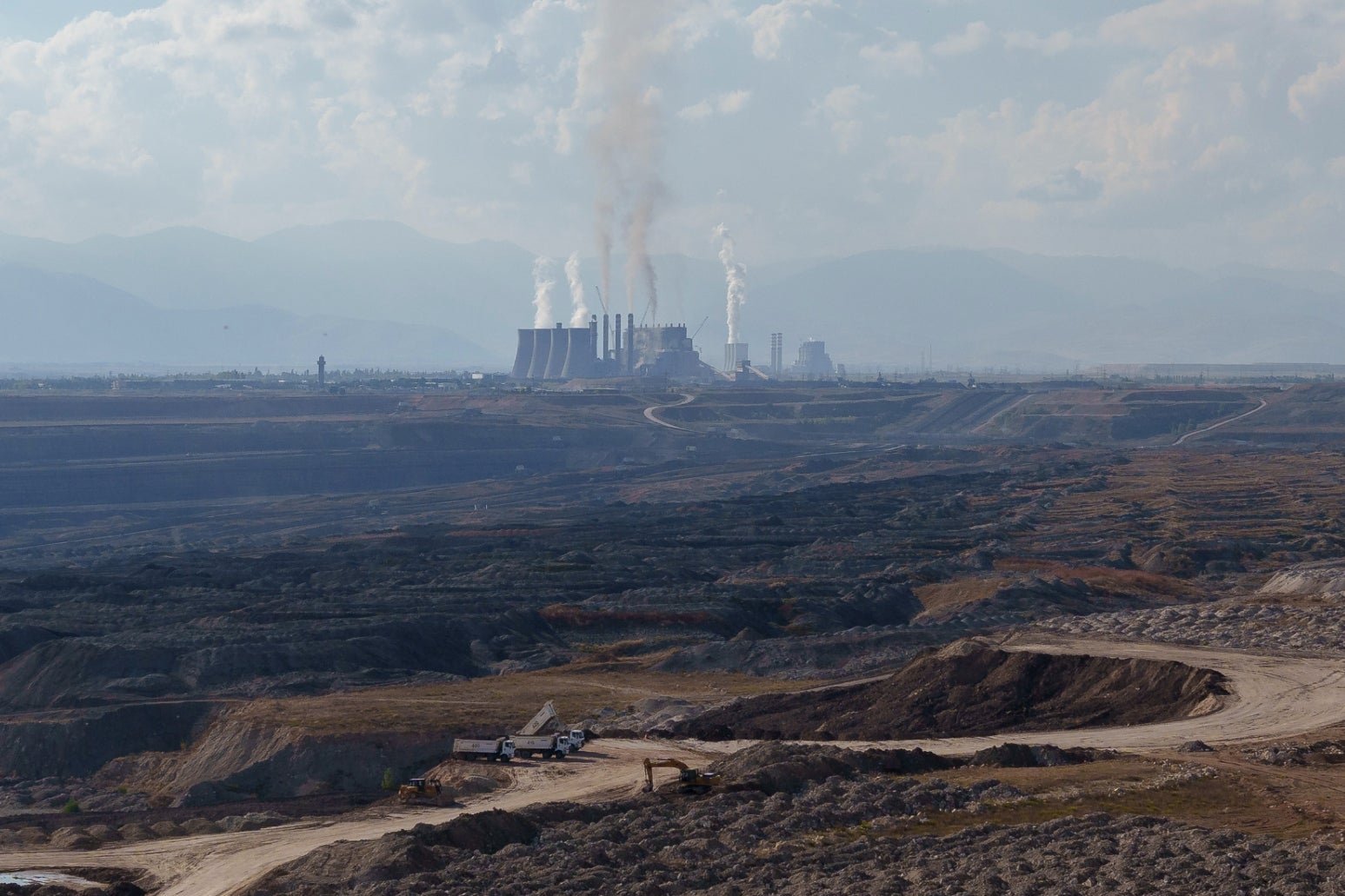 An open-cast coal mine near Elbistan, southern Turkey, with the Afşin-Elbistan coal-fired power station visible in the distance (Emre Caylak)
Emre Caylak
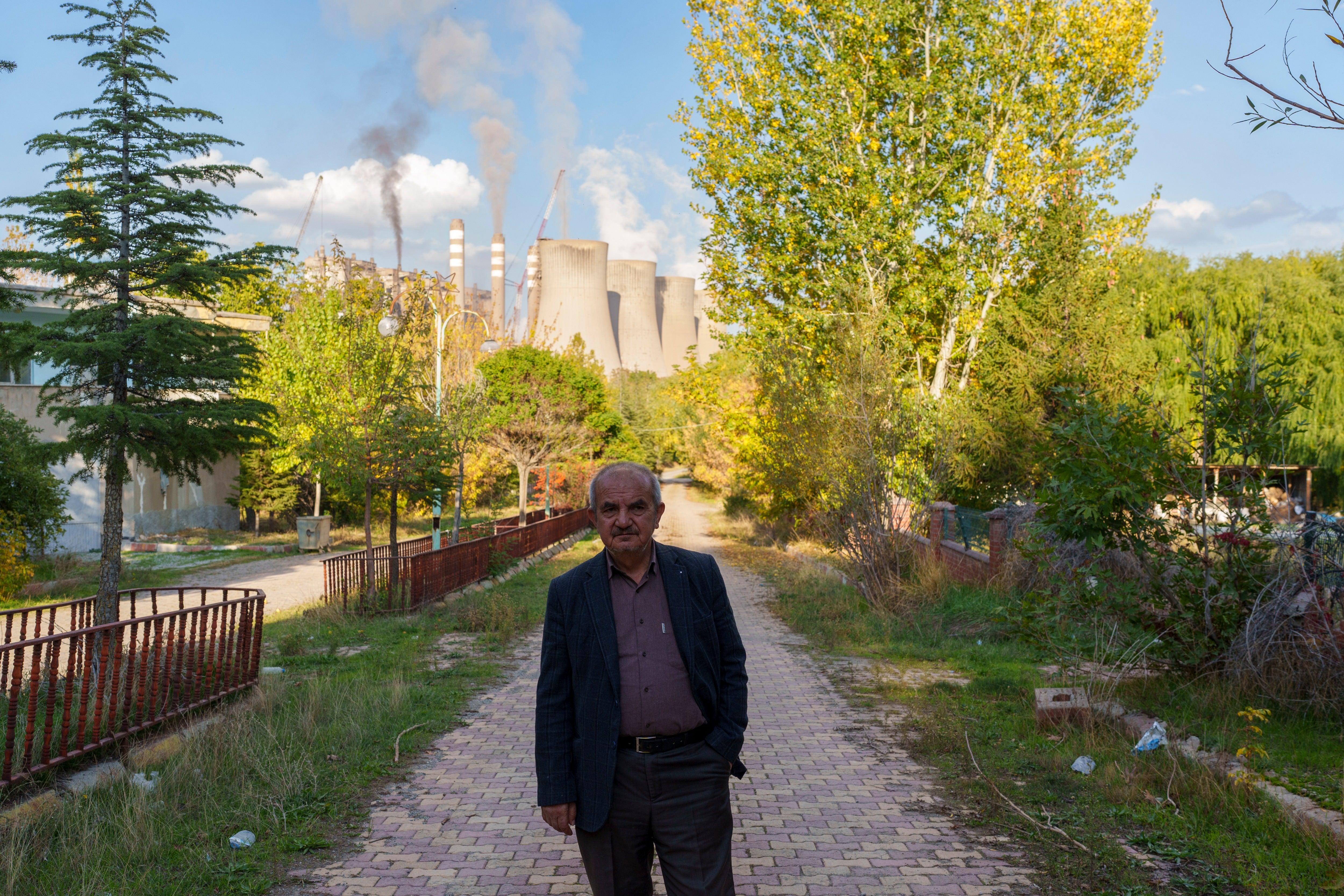 Local campaigner Mehmet Dalkanat stands in the village of Çoğulhan, near the Afşin-Elbistan coal-fired power station in southern Turkey, as its chimneys loom behind him (Emre Caylak)
Emre Caylak
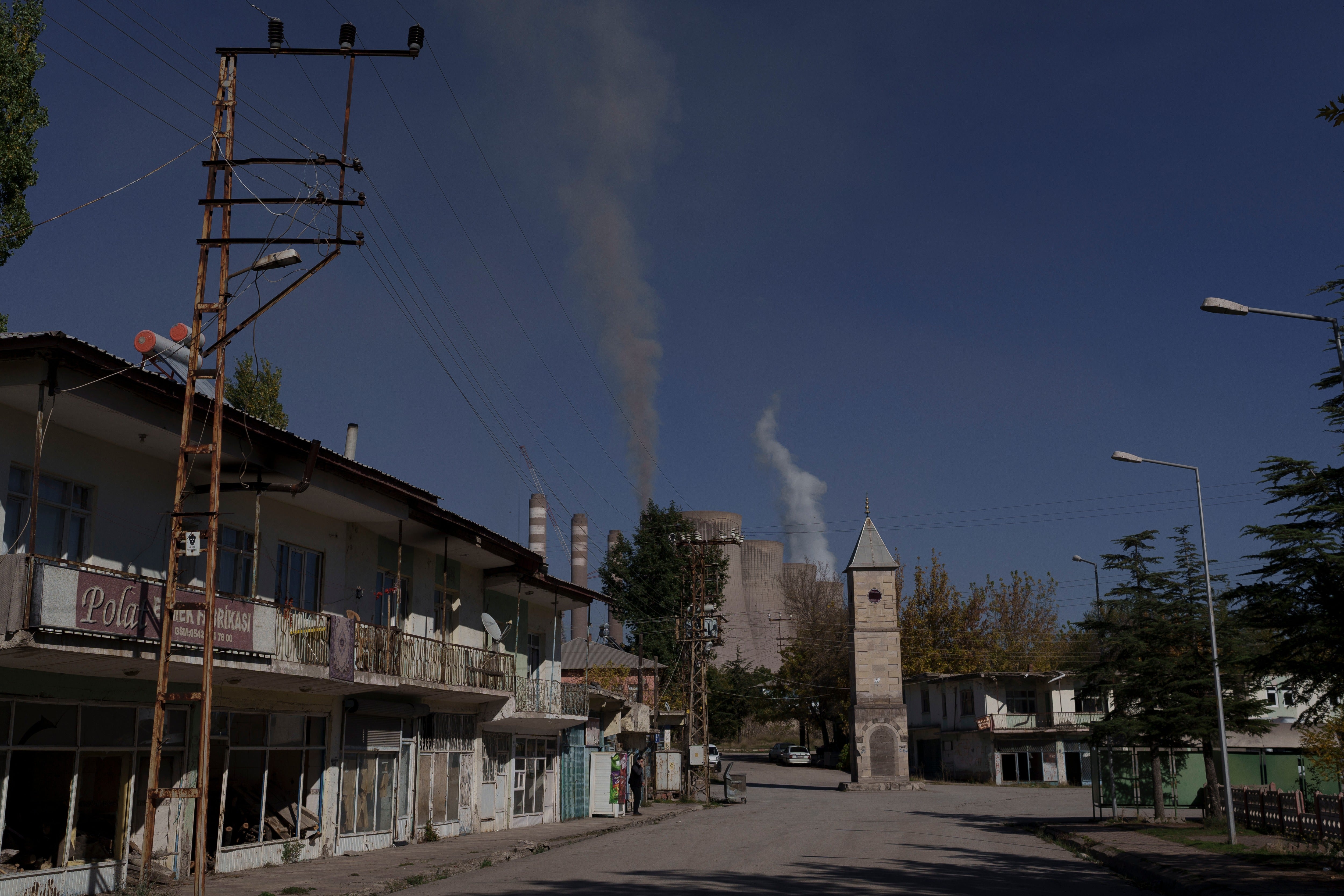 Businesses and residences in the village of Çoğulhan, near the Afşin-Elbistan coal-fired power station in southern Turkey (Emre Caylak)
Emre Caylak
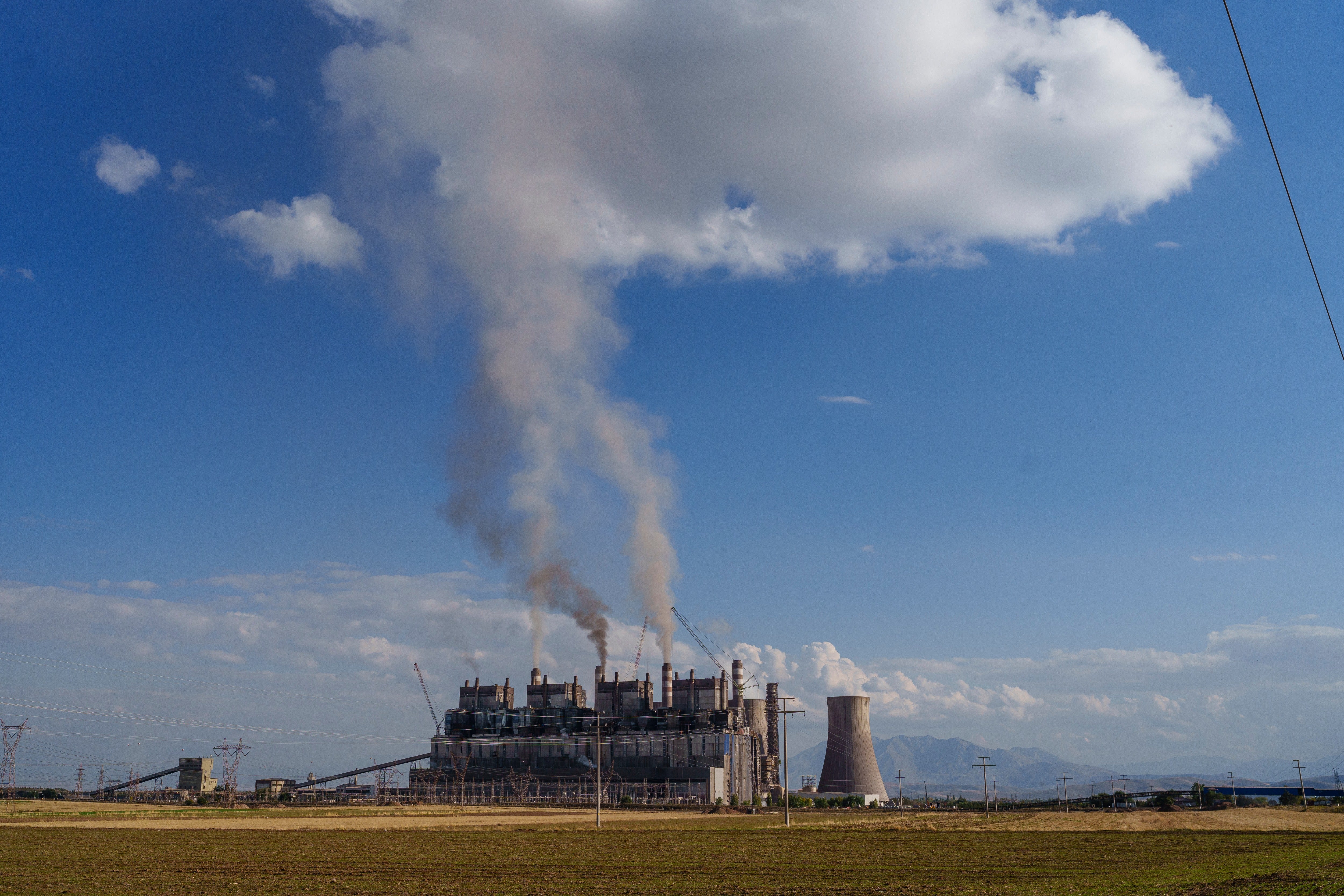 Part of the Afşin-Elbistan coal-fired power station in southern Turkey (Emre Caylak)
Emre Caylak
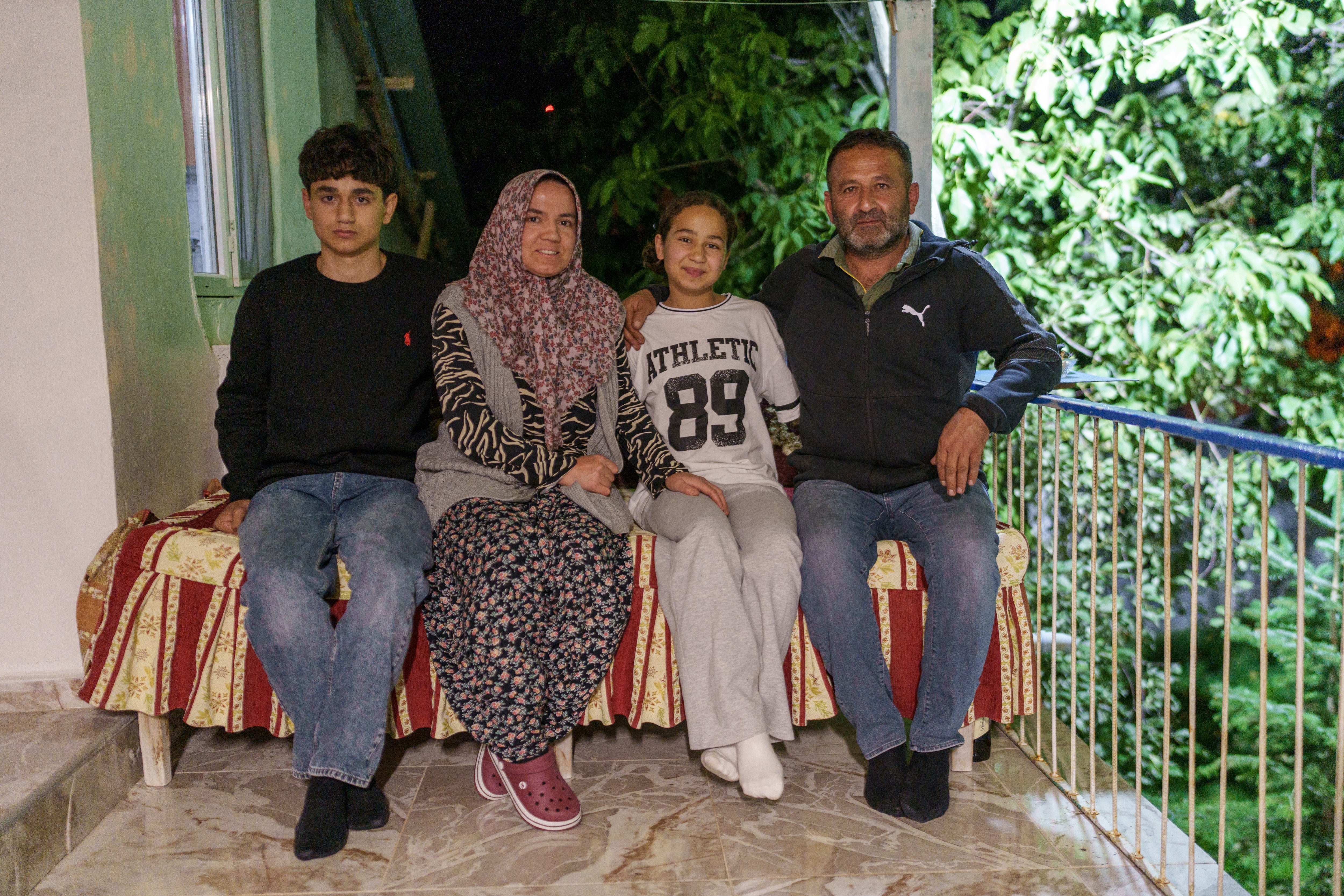 Cuma with his family, including his son – who had leukaemia when he was younger (Emre Caylak)
Emre Caylak
On the day world leaders opened COP31 in the southern coastal city of Antalya, the Afşin-Elbistan coal plant on the Kahramanmaraş plateau ran its chimneys as it has for decades, sending up huge columns of emissions from alternating stacks. Omer, a plant worker in his late fifties who lives a short distance away, has buried three brothers in recent years — two of lung cancer, one of chronic obstructive pulmonary disease — The Independent reports. All three worked at the plant, and the family had no previous history of such illnesses; the brothers died between the ages of 55 and 61.
Fed by an open-cast mine, the plant has operated for decades in one of Turkey's most polluted regions, and it is growing rather than closing. Ankara is seeking to expand two coal-fired stations, Afşin-Elbistan and the smaller Cenal plant near Çanakkale, allowing them to burn considerably more coal. Turkey is Europe's largest producer of coal-fired electricity; just over a third of its electricity comes from coal and almost another quarter from gas. It is the only member of the OECD that has not banned new coal plant permits, and amid rising domestic emissions the government continues to invest in oil, coal and gas with no credible plan to phase them out.
The summit arrangement is unusual: Turkey hosts while Australia leads the formal negotiations, and critics question the credentials of both, one a major coal exporter and the other a major coal consumer. Murat Kurum, Turkey's environment minister and the summit's president-designate, has branded Antalya an "Implementation Cop" built around electrification, waste reduction, climate finance and green industry, and set a voluntary global goal of 35 per cent of energy needs coming from electricity by 2035. Electricity currently supplies around 22 per cent of Turkey's final energy consumption.
UN climate chief Simon Stiell told the opening that progress was "nowhere near fast enough," and that this year's fossil fuel cost chaos had delivered a global shockwave, hitting households and "spreading inflation like a cancer." A UN report released the same day puts the year on track to be among the four hottest on record. Kurum observed that a drought in one part of the world is felt at the dinner table in another.
Around the Afşin-Elbistan chimneys the accounting is more local. Emissions run all day, and some residents say at night as well. Another of Omer's brothers is living with COPD and asthma. Omer does not expect to see 65. His father, born in the same village, lived to 97.