
Rubio says economic pressure replaces combat operations against Iran
Naval blockade strangles oil revenue while GCC builds own command center in Kuwait, Gulf states plan for a world where American guarantees no longer pay out
Images
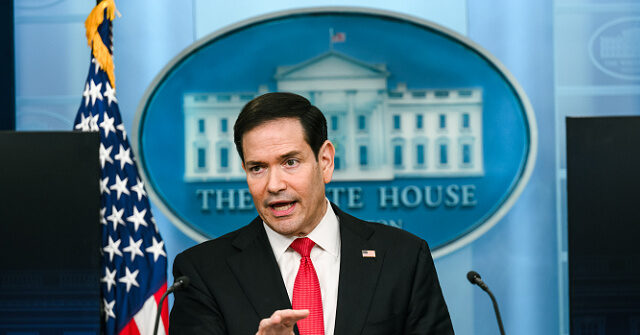 Rubio: ‘No Need for Major Combat Operations Against Iran’ — U.S. ‘Achieving Same Objective by Economic Means’
breitbart.com
 US Army Central Command via AP
zerohedge.com
 Israeli Prime Minister, Benjamin Netanyahu speaks during a Likud campaign rally in Tel Aviv, Israel, on September 17.Amir Levy/Getty Images)
zerohedge.com
 zerohedge.com
 President Donald Trump after speaking in front of the Lincoln Memorial Reflecting Pool, Monday, Nov. 2, 2026, in Washington.
zerohedge.com
Marco Rubio told reporters in Paris that there is "no need for major combat operations" against Iran because Washington is "achieving the same objective by economic means." The Secretary of State spoke after two days of meetings with G7 foreign ministers, rejecting any suggestion that holding off on further strikes meant accepting a stalemate: "The economic pressure is going to get even worse."
The pressure campaign is anchored by a naval blockade that has cut off Iran's principal source of revenue while letting other Gulf producers keep shipping crude through the Strait of Hormuz. In late August Trump launched Operation Economic Outcast, directing Treasury Secretary Scott Bessent to sever Tehran's remaining financial lifelines and dismantle sanctions-evasion networks. On Saturday, US Central Command announced Task Force Iron Gate, an interagency initiative to close the overland and Caspian Sea channels Tehran could use to move weapons components and illicit revenue. Iran's deputy foreign minister has already discussed circumventing the restrictions with Russia's ambassador to Tehran. While Washington tightens the screws, the states it guarantees are hedging. The Gulf Cooperation Council has approved a joint forward-command center in Kuwait — a country that absorbed thousands of missile and drone strikes from Iran and its Iraqi militias during the war. The council's 2000 mutual defense agreement was never tested in anger: it did nothing when Israel attacked Hamas negotiators in Doha, and nothing while Houthi missiles hit Saudi Arabia. Saudi Arabia has activated its Mecca Pact with Pakistan and Turkey; the UAE has doubled down on its security relationship with Israel. The hedging has a documented basis. The Department of War's own inspector general reported in September that "hundreds of buildings and structures" at US bases across Kuwait, Bahrain, Qatar, the UAE, Saudi Arabia, Iraq, Oman and Jordan were damaged or destroyed by Iranian strikes, and some officials say several facilities are unlikely to be rebuilt. David Petraeus, former Centcom commander, told Bloomberg: "We are not as inclined to occupy these bases now that we have seen what the Iranians can throw at them." His successor in the post, General Frank McKenzie, has proposed relocating US forces to Israel and neighboring countries instead. Former British diplomat Alastair Crooke claims Netanyahu is calling the White House several times a day pressing for a renewed war, and that Trump has a window to act until January 3.
The new command center will rise in the country that, before the war, hosted more American troops than any other in the Middle East.