
US inflation runs hotter than expected as food and rent climb
Fed price hike odds solidify for December, lettuce rises 7 percent in a month while rate-setters weigh a bubble that needs cheap credit
Images
 'Not great': October CPI inflation rises 0.4% as food and rent costs spike
finance.yahoo.com
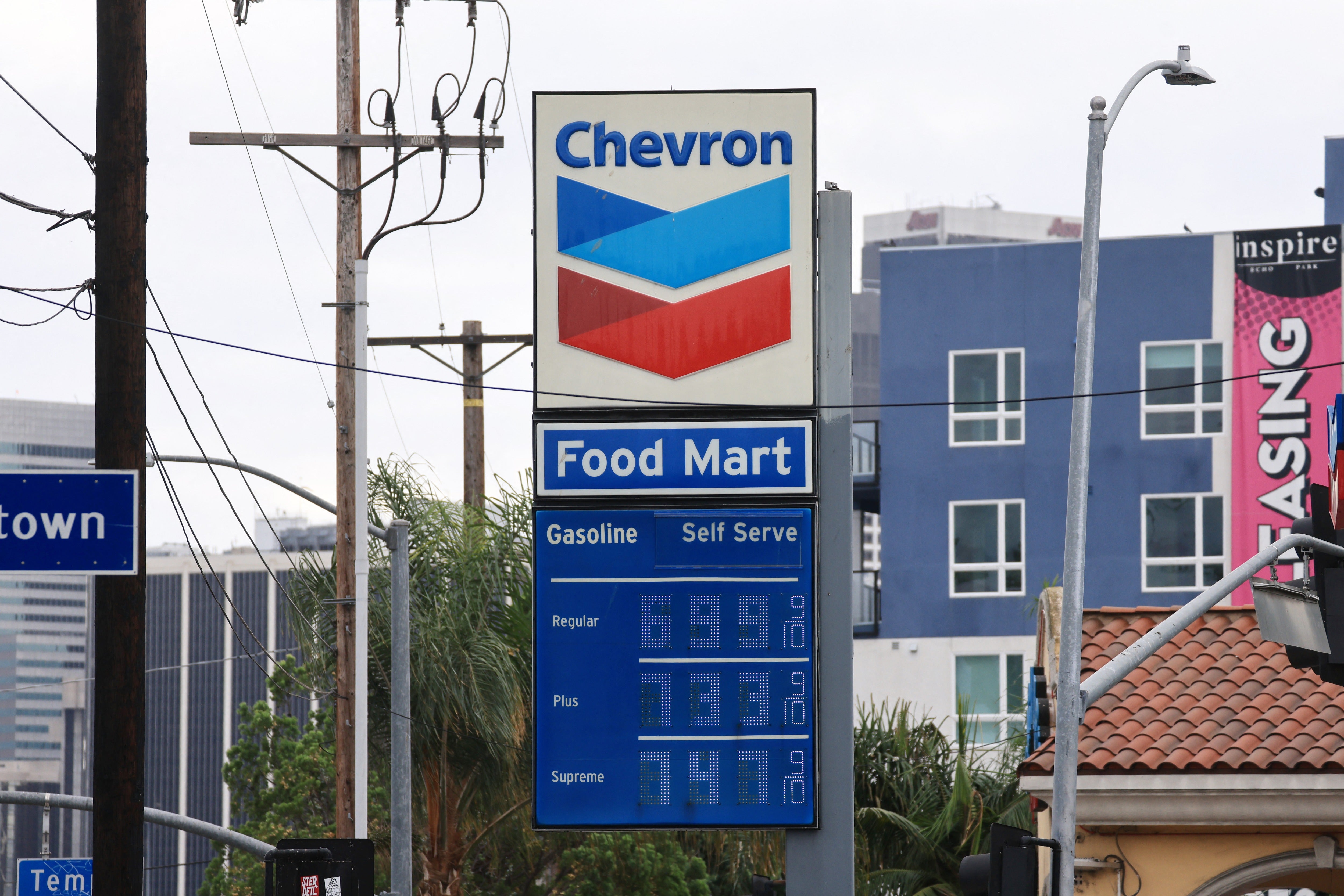 Over the past year, gas costs have surged more than 37% (AFP via Getty Images)
AFP via Getty Images
US consumer prices rose 0.4 percent in October, the Labor Department reported Tuesday, a tenth of a point above forecasts, with food and housing costs driving the increase even as energy inflation faded. Core inflation, excluding food and energy, rose 0.3 percent — also a tenth above expectations.
The details show why the number unsettled markets. Food costs rose 0.5 percent on the month, driven by meat and dairy; lettuce jumped 7.3 percent in a single month and baby food 5.1 percent. Owners' equivalent rent rose 0.3 percent and tenant rents 0.2 percent — categories that do not respond to oil prices and land on households already carrying record rents. Energy rose 0.7 percent, a far cry from September's 5.2 percent spike, and gasoline was up just 1 percent month-on-month as crude eased on hopes of a de-escalation in the Iran conflict. Electricity rose 0.9 percent, the largest monthly gain since April. No year-over-year figure was published, because last year's government shutdown left October 2025 data missing.
The report is the Federal Reserve's last look at the CPI before its December 8-9 meeting, and it cemented traders' expectations of a rate increase. Governor Christopher Waller — a prominent voice on the rate-setting panel — indicated a half-point hike was possible, double the usual move. "Economic activity is strong, the labor market is stable, but inflation is too high, well above" the Fed's 2 percent goal, Waller said. Treasury yields ticked higher and stocks slipped on the release.
One contributor sits awkwardly with the rest: the massive buildout of AI infrastructure, which has pushed up prices for microchips, power and consumer electronics. The same capital program that keeps equity markets buoyant keeps the inflation prints hot — and roughly two-thirds of voters in an Associated Press survey of 100,000 held the administration's policies responsible for higher costs, with nine in ten calling the cost of living a major driver of their vote. Democrats, who swept both chambers last week, inherit that bill in January.
As economist Justin Wolfers put it: "One hopes inflation starts returning to normal, but that's a hope right now, not a reality."