
Malaysian court clears Najib Razak's transfer to house arrest
His party paid the 12.3 million dollar fine and the palace rebuked the attorney general, a separate 15-year 1MDB sentence is still under appeal
Images
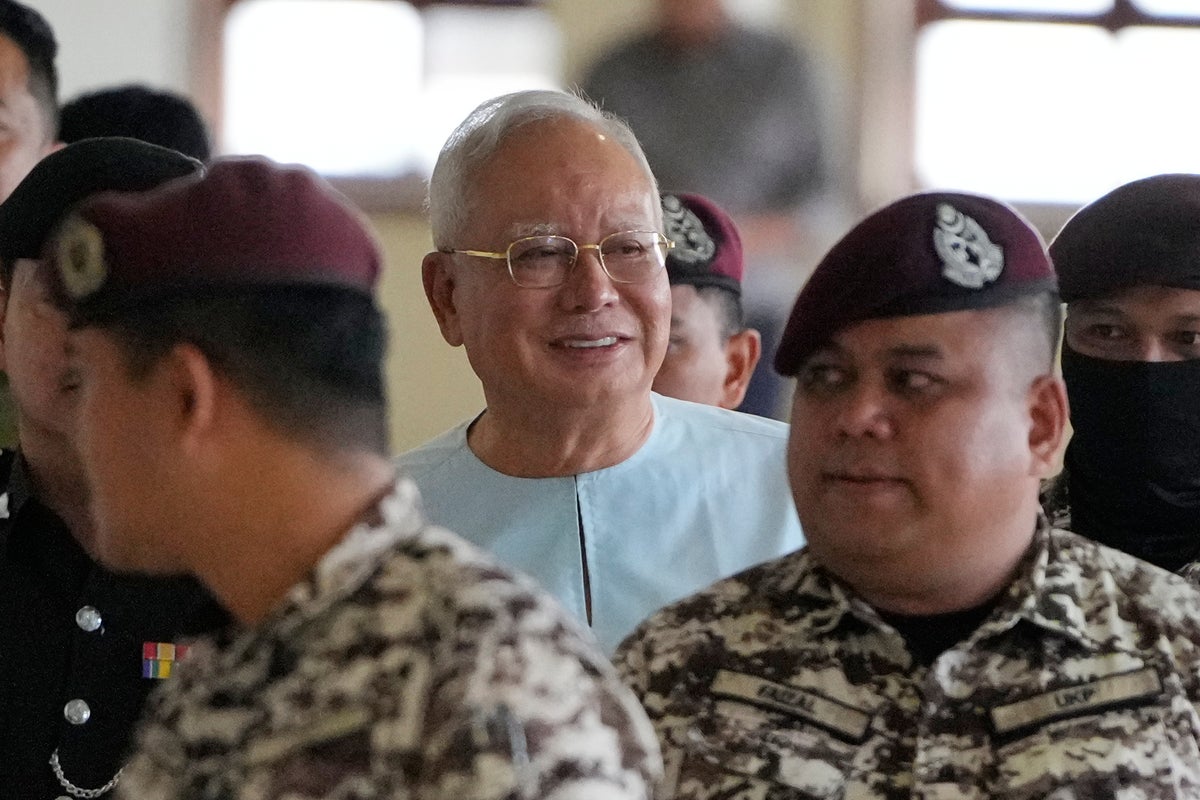 Malaysian high court clears final hurdle for former Prime Minister Najib's transfer to house arrest
independent.co.uk
Malaysia's high court on Tuesday cleared the final legal hurdle to moving former prime minister Najib Razak from prison to house arrest, ending a week in which he walked out of prison, was returned to his cell within hours, and saw the attorney general publicly rebuked by the palace. Najib has been behind bars since August 2022 over the looting of the state investment fund 1MDB, one of the world's largest financial scandals, which rippled through global markets and triggered investigations in the United States and beyond.
In September he was granted royal clemency, allowing him to serve the rest of his sentence at home once a court-imposed fine was paid. Last Friday his political party paid the 50 million ringgit — about 12.3 million dollars — fine, and Najib left prison. Hours later the attorney general blocked the transfer, seeking legal clarifications, and Najib was taken back to his cell. The palace responded with a public rebuke: King Sultan Ibrahim Iskandar's pardon was clear, it said, and any attempt to challenge it would amount to defying a royal order.
On Tuesday his lawyer, Muhammad Shafee Abdullah, said everything was settled for the transfer to Najib's Kuala Lumpur home, where he is to remain under house arrest until August 2028. The lawyer called the ruling a final relief for a client who had been waiting for it.
The arrangement covers only the reduced six-year sentence from Najib's first graft trial. A separate 15-year sentence for corruption and money laundering, imposed in December after a second 1MDB trial, is under appeal; if the appeal fails, Najib returns to prison once the house arrest ends. He served as prime minister from 2009 to 2018, denies any wrongdoing, and is the first former Malaysian leader to be imprisoned over the scandal.
Police later sealed off the road leading to his home.