
Global fossil emissions fell for first time in years
Scientists credit the Iran war and the Strait of Hormuz closure rather than climate policy, coal rose as oil fell and overall emissions still increased
Images
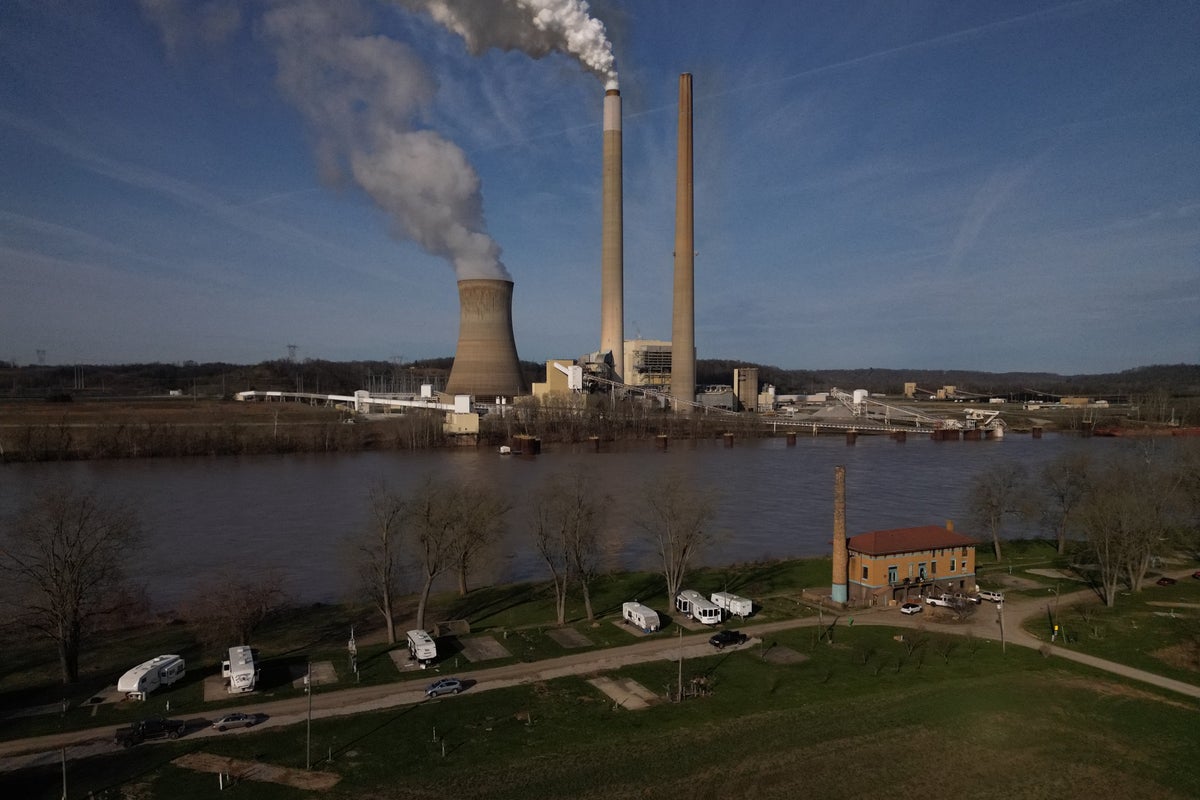 Heat-trapping carbon pollution drops, but scientists cite the Iran war rather than energy progress
independent.co.uk
 time.com
 Simmone Shah
time.com
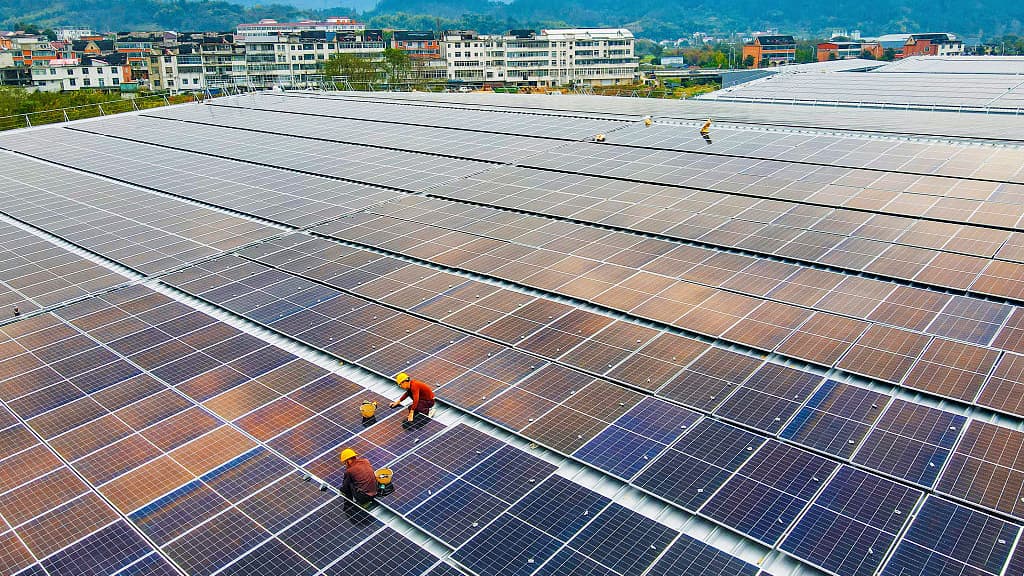
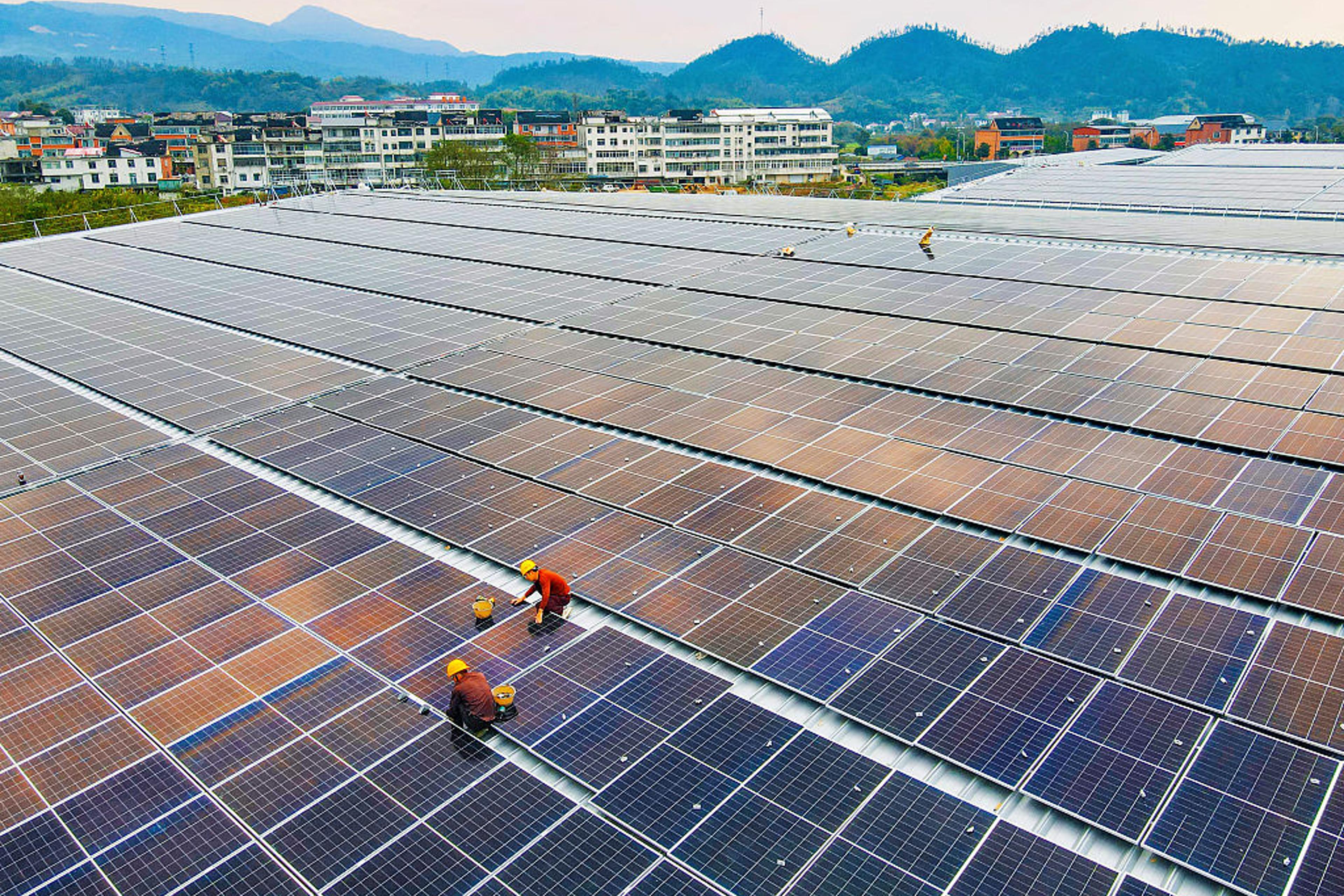 Workers install solar panels on the roof of a greenhouse growing mushrooms in Yuexi County, Anqing, in China's eastern Anhui Province on Oct. 29, 2026.CN-STR—Getty Images
time.com
Global carbon dioxide emissions from fossil fuels fell slightly this year — the first decline in years, according to the Global Carbon Project's annual accounting published in Earth System Science Data Discussions. The world emitted 42.2 billion tons of CO2 from coal, oil and gas, a 0.4 percent decrease from 2025.
The cause is not the energy transition. It is the war in Iran, which effectively closed the Strait of Hormuz and pushed up oil prices worldwide. Oil emissions dropped nearly 2 percent, natural gas fell 0.3 percent, and coal — the fuel countries fall back on when oil becomes expensive — rose 0.6 percent.
Glen Peters of the CICERO Center for International Climate Research in Norway, a co-author, called it "a little bit of good news, but for the wrong reasons." He noted that a genuine renewables-driven decline would show oil emissions peaking and then slowly eroding; instead they rose and then abruptly fell, in lockstep with a supply shock. More than 140 scientists contributed to the estimate, presented at the UN climate negotiations in Antalya.
This is the third emissions drop of the century. The previous two came from the 2009 recession and the 2020 pandemic, and after both, emissions returned to trend. Peters observed that past recoveries were supposed to emphasize clean energy, "but at the end of the day, we seem to go back to where we were before."
The windfall is already being redeployed. Malte Meinshausen of the University of Melbourne noted that oil producers outside the Gulf reaped tremendous gains from the price spike, and that those profits are now funding exploration outside the Middle East — which will dampen whatever short-term emissions benefit the war produced.
Overall global CO2 emissions, counting deforestation and peat fires, still rose 1 percent this year because land-use emissions grew faster than fossil emissions fell. The 42 billion tons work out to roughly 1,300 tons of CO2 entering the atmosphere every second. "If it was black and not transparent, the sky would be dark," Peters said.