
FDA orders sudden blindness warning on Ozempic and other GLP-1 drugs
Review of 134,000 patients finds six NAION cases per 100,000 users against four on placebo, 28 million Americans already take the class
Images
 Food And Drug Administration Headquarters In Maryland
nbcnews.com
 The FDA is requiring GLP-1 drugmakers to include warnings about an eye condition that can lead to permanent vision loss (AFP/Getty)
AFP/Getty
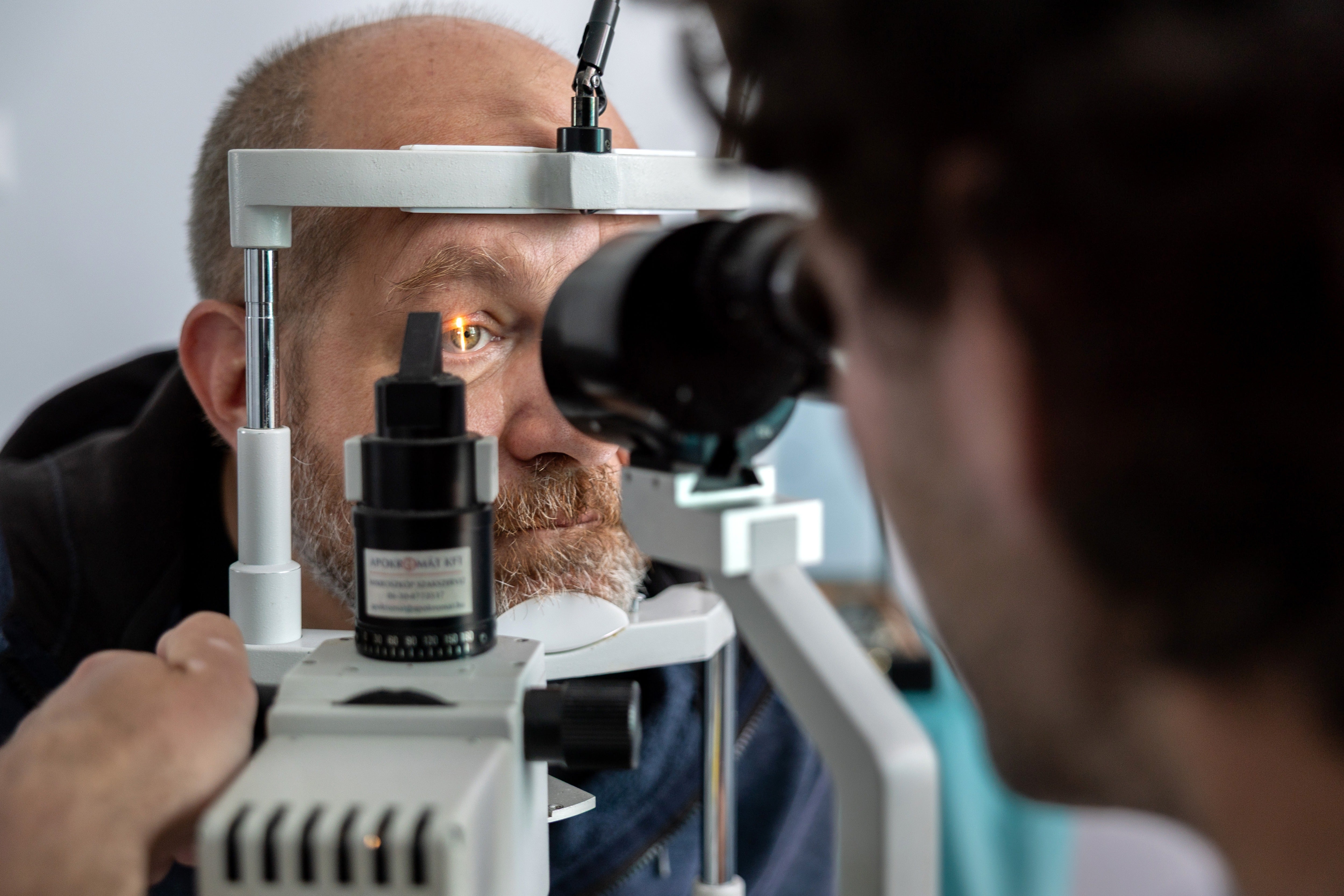 NAION, which is sometimes referred to as an ‘eye stroke’ can result in painless but decreased vision in one eye (Getty Images)
Getty Images
The US Food and Drug Administration will require the makers of Ozempic, Wegovy, Mounjaro and Zepbound to warn patients about a rare eye condition that can cause sudden, permanent blindness. The condition — nonarteritic anterior ischemic optic neuropathy, or NAION — occurs when blood flow to the optic nerve is reduced or blocked. It has no known treatment, and cases have now been reported for every GLP-1 drug on the market.
The FDA's review covered more than 134,000 patients across clinical trials and its own adverse-event database. It found roughly six NAION cases per 100,000 people taking GLP-1 drugs each year, against about four per 100,000 among those on placebo or other diabetes medication. The agency's scientists could not identify a mechanism by which the drugs would raise the risk, and noted that NAION's risk factors — Type 2 diabetes, sleep apnea, hypertension — overlap with the conditions of the people who take them.
The signal was not new. A 2024 study in JAMA Ophthalmology found diabetes patients prescribed semaglutide four times as likely to develop NAION as those not prescribed the drug, and it was that paper which prompted the FDA to begin looking. Eli Lilly has said it was aware of studies on the potential link. A May review by the American Academy of Ophthalmology put the relative risk from semaglutide-based drugs at roughly double. Some 28 million Americans are now on GLP-1s, nine years after semaglutide first reached the market in 2017.
The labels already carry warnings for pancreatitis, gallbladder problems and kidney injury, and a black box — the FDA's strongest — on a possible risk of thyroid tumors. Novo Nordisk said patient safety is its top priority and that the data "do not establish a cause-and-effect relationship." Drugmakers can challenge FDA labeling changes; the FDA determines whether the labels are required.
NAION is the second most common optic nerve disease in the United States, occurring in up to 10 of every 100,000 people over 50. The agency could not say how the drugs cause it. It ordered the warning anyway.